









- A +
- A
- A -
As a core component of the bicycle drivetrain, the precision of its tooth profile and its geometric dimensions directly affect riding efficiency and safety. With the bicycle industry moving towards lightweight and high-performance designs, new materials such as aluminum alloys and carbon fiber are widely used in crankset manufacturing, placing higher demands on product design and quality inspection. HOLON 3D, leveraging its professional 3D scanning and reverse modeling technologies, provides bicycle crankset manufacturers with a complete solution from data acquisition to model reconstruction, helping companies shorten product development cycles and enhance their design innovation capabilities.
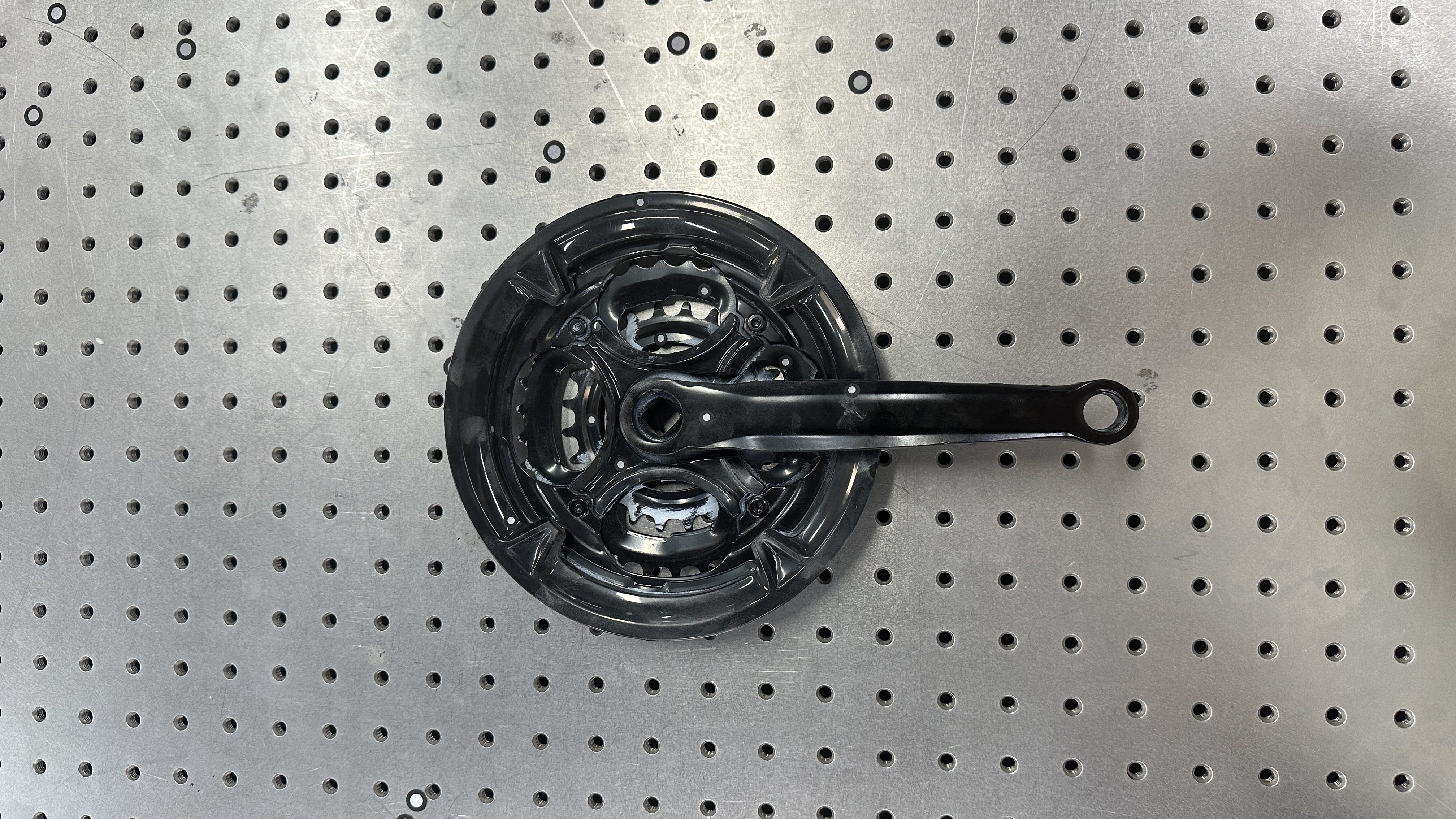
There are many models of bicycle chainrings. The traditional mold development process relies on repeated trials and corrections, which is time-consuming and costly, making it difficult to quickly respond to the market's demand for personalized and differentiated products.
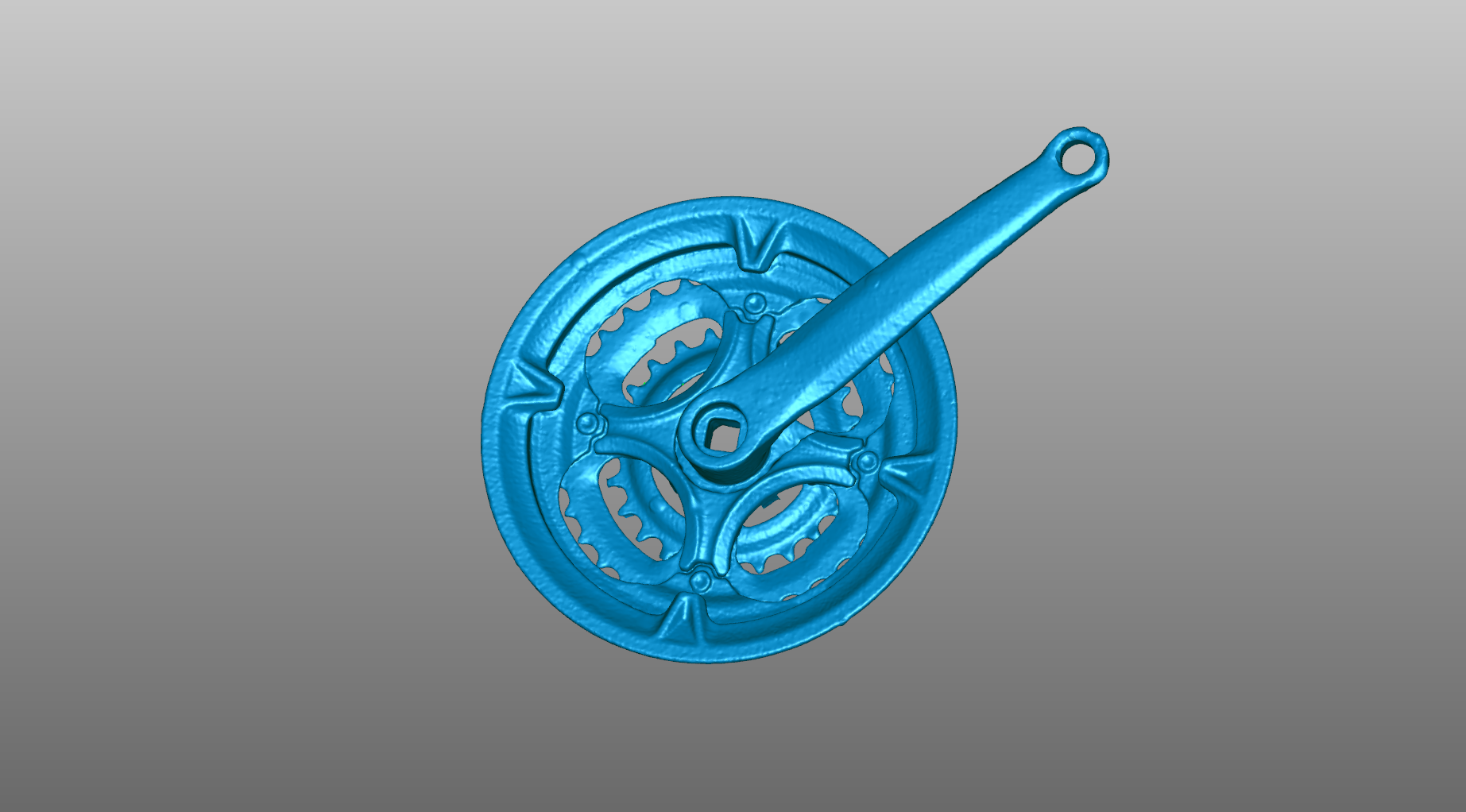
STL diagram of scanned data (1)
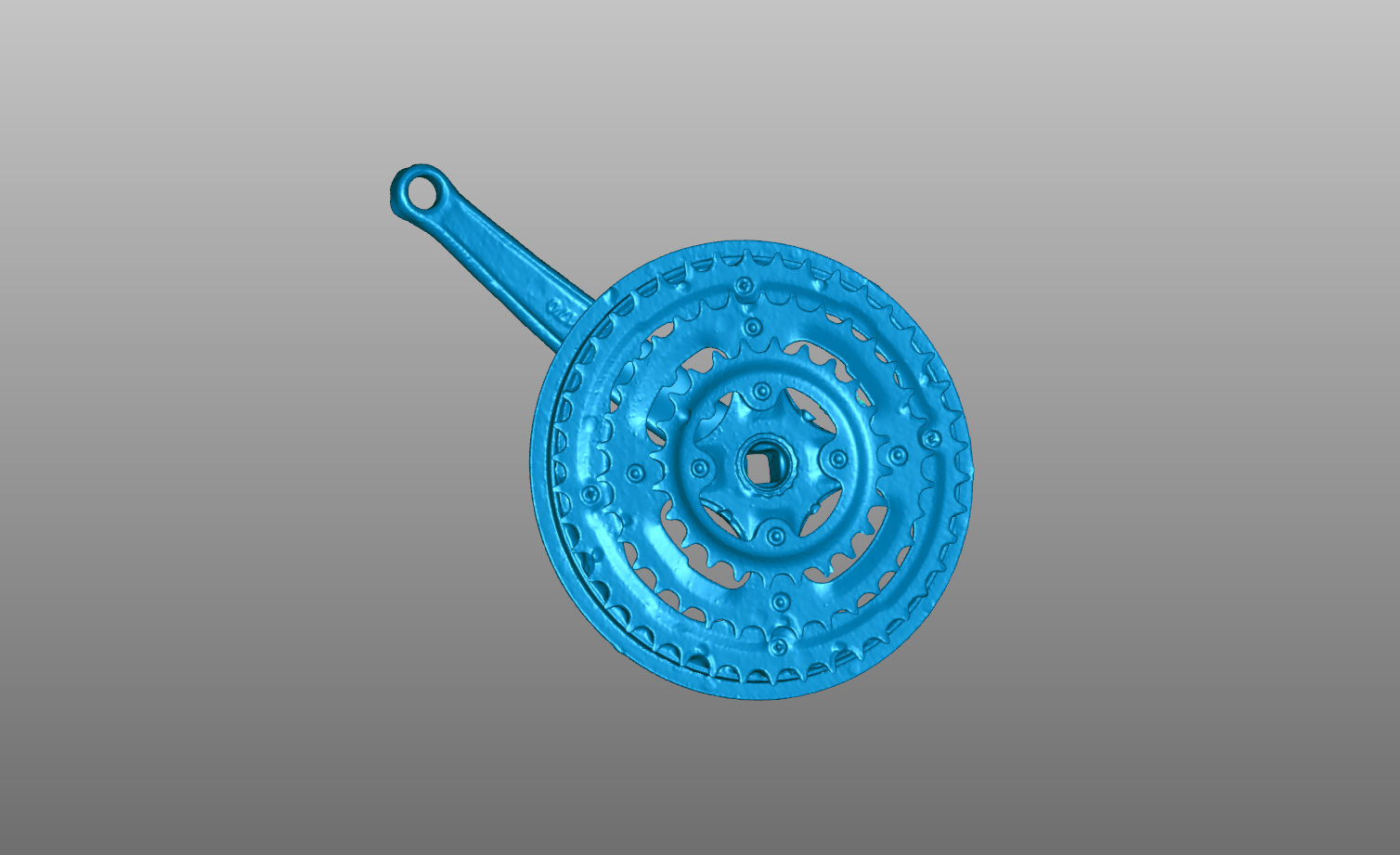
STL diagram of scanned data (2)
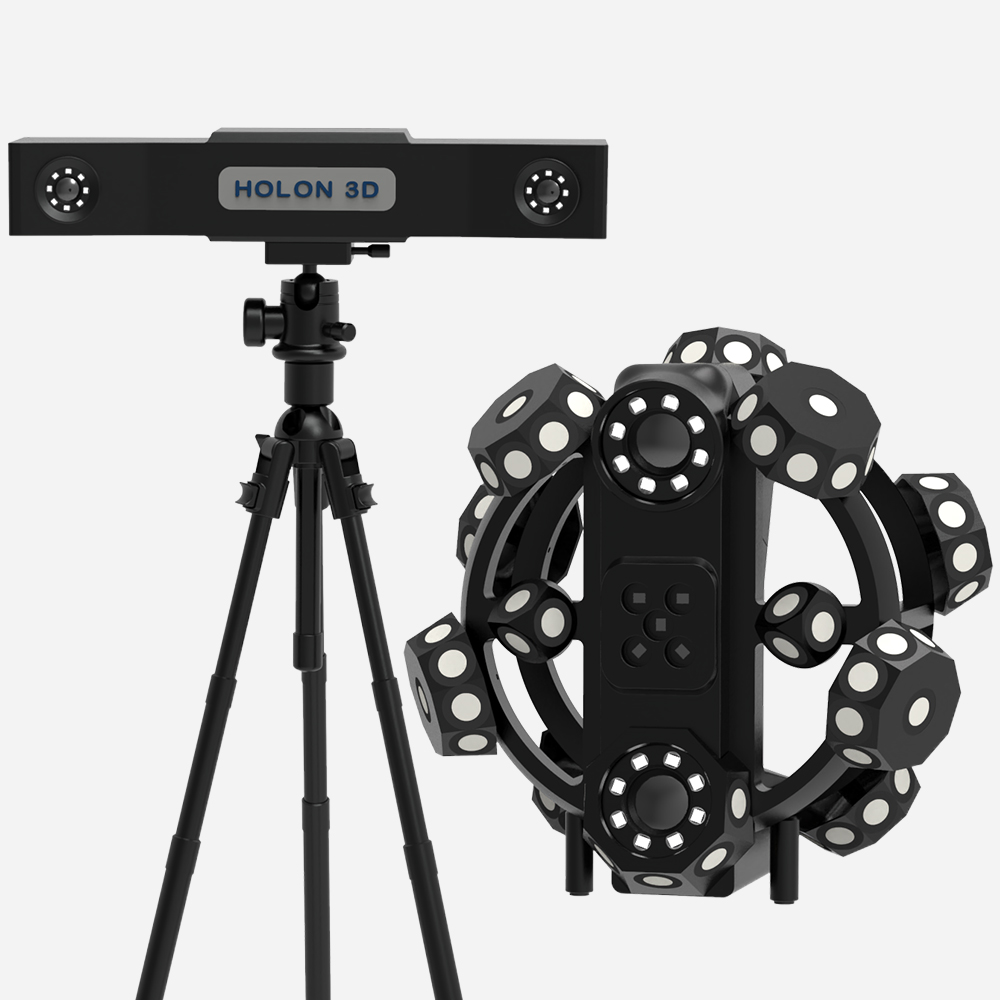
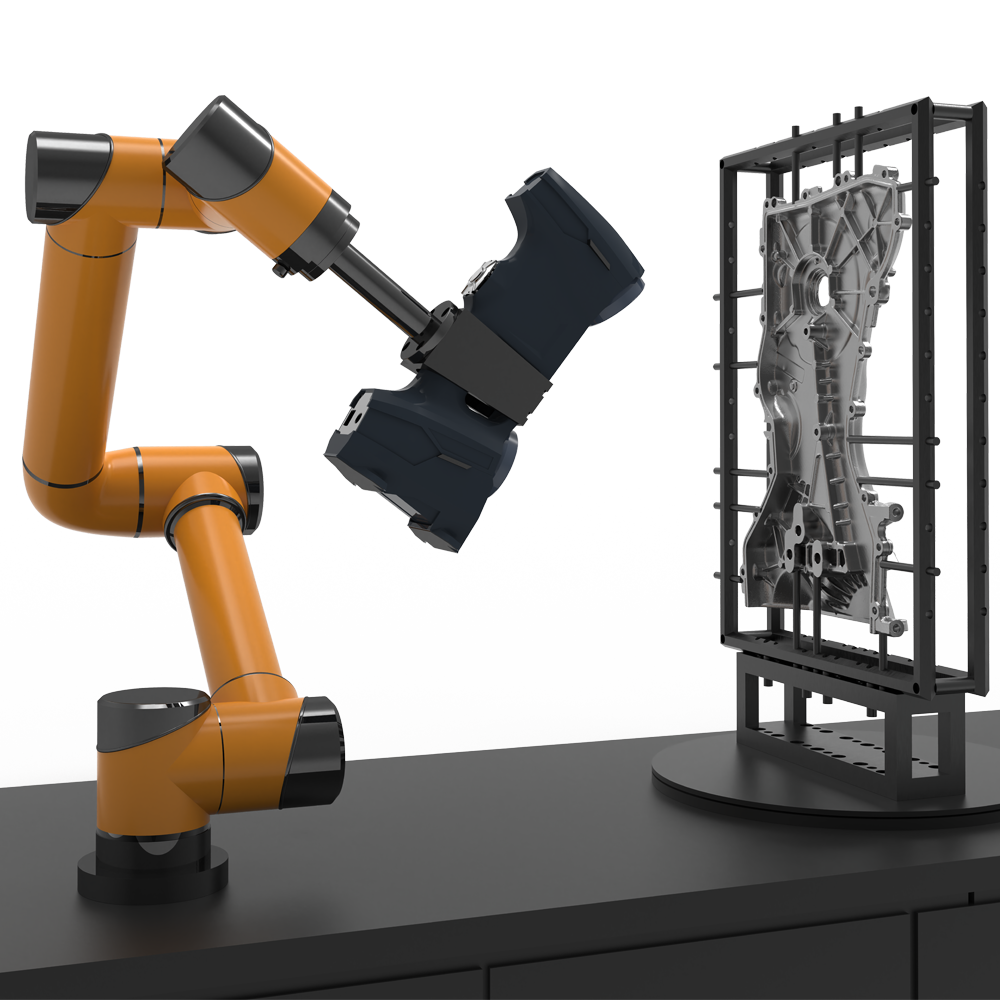
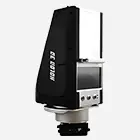
HOLON 3D industrial-grade 3D scanner was used to digitally acquire data from a bicycle crankset. The equipment, equipped with 49 blue laser beams, is compatible with reflective metal workpieces, completely capturing all the fine structures such as teeth, tooth roots, fillets, and bottom bracket holes, quickly obtaining complete and high-precision point cloud data. The scanned point cloud data was imported into reverse engineering software for point cloud preprocessing and surface reconstruction, generating an editable STEP format CAD model. The reconstructed model and the original scanned data can be compared to verify the accuracy of key parts such as tooth shape, hole positions, and fillets, ensuring the model faithfully reproduces the features of the actual object. This entire scanning + reverse modeling process significantly reduces project timelines, avoids human error caused by manual surveying, and the output CAD model can be directly used for part replication, structural improvement, 3D printing, and CNC machining, efficiently solving the problem of digital replication of parts without drawings and ensuring the processing quality and assembly performance of bicycle transmission components.
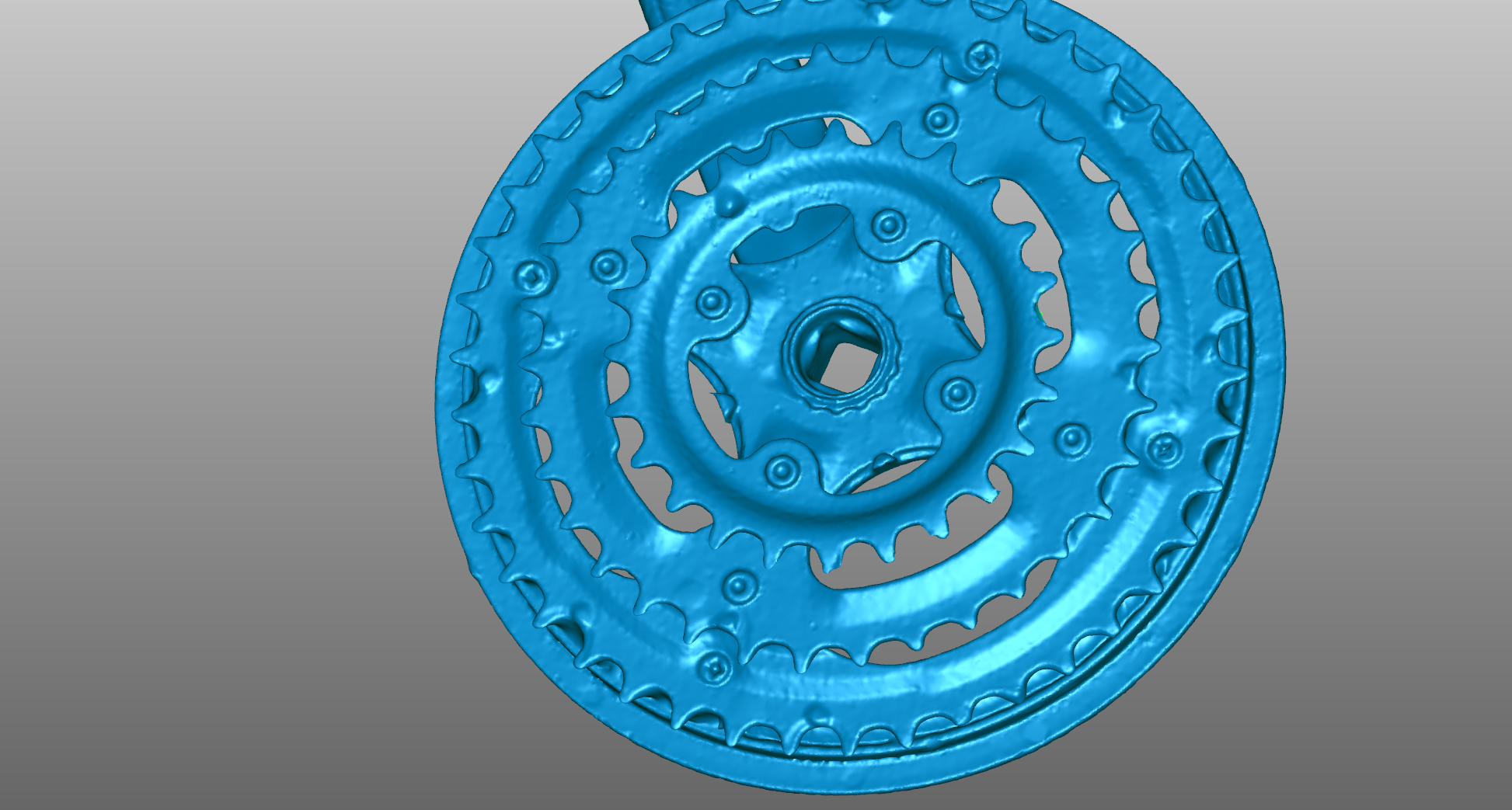
STL diagram of scanned data (3)