






- A +
- A
- A -
An aircraft manufacturing company, facing a pass rate of less than 50% for its wing components, commissioned HOLON 3D to develop a production optimization plan. The objective was to acquire high-precision 3D data of the wing components, determine the exact coordinate values for rivet holes, and improve both machining efficiency and product quality.
1. Regarding rivet holes on wing components, the traditional machining method involves determining hole locations from CAD drawings and then drilling directly with an electric drill. This approach can lead to positional deviations, resulting in serious issues such as product scrapping.
2. Traditional measurement equipment offers limited data acquisition capabilities and low efficiency for wing components; it fails to enable quality inspection or provide the precise data support needed for redesigning the product.
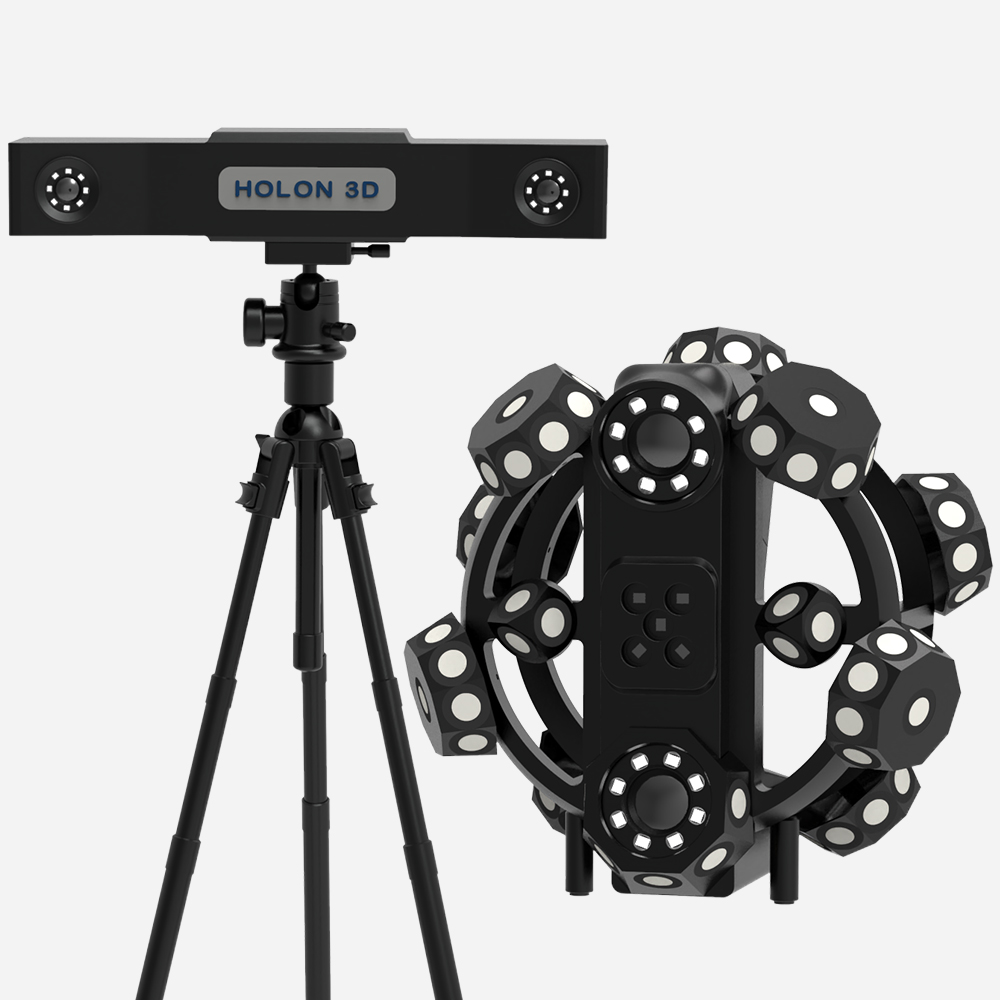
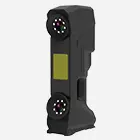
As the wing is a critical component of an aircraft, quality control is of paramount importance. HOLON 3D technical engineers utilized an industrial-grade 3D scanner (HL-3DS) to rapidly acquire high-precision 3D data; by importing this data into 3D reverse engineering software for redesign, they successfully optimized the production process for wing components. This approach effectively resolved quality issues in component production and provided precise data support for the redesign of the wing parts.


Wing components
1. Powder Spraying and Marker Placement
- Spraying developer: Enhances surface contrast to ensure superior scan data acquisition.
- Marker placement: Enables precise positioning and data stitching within the scanning software.
2. 3D Scanning
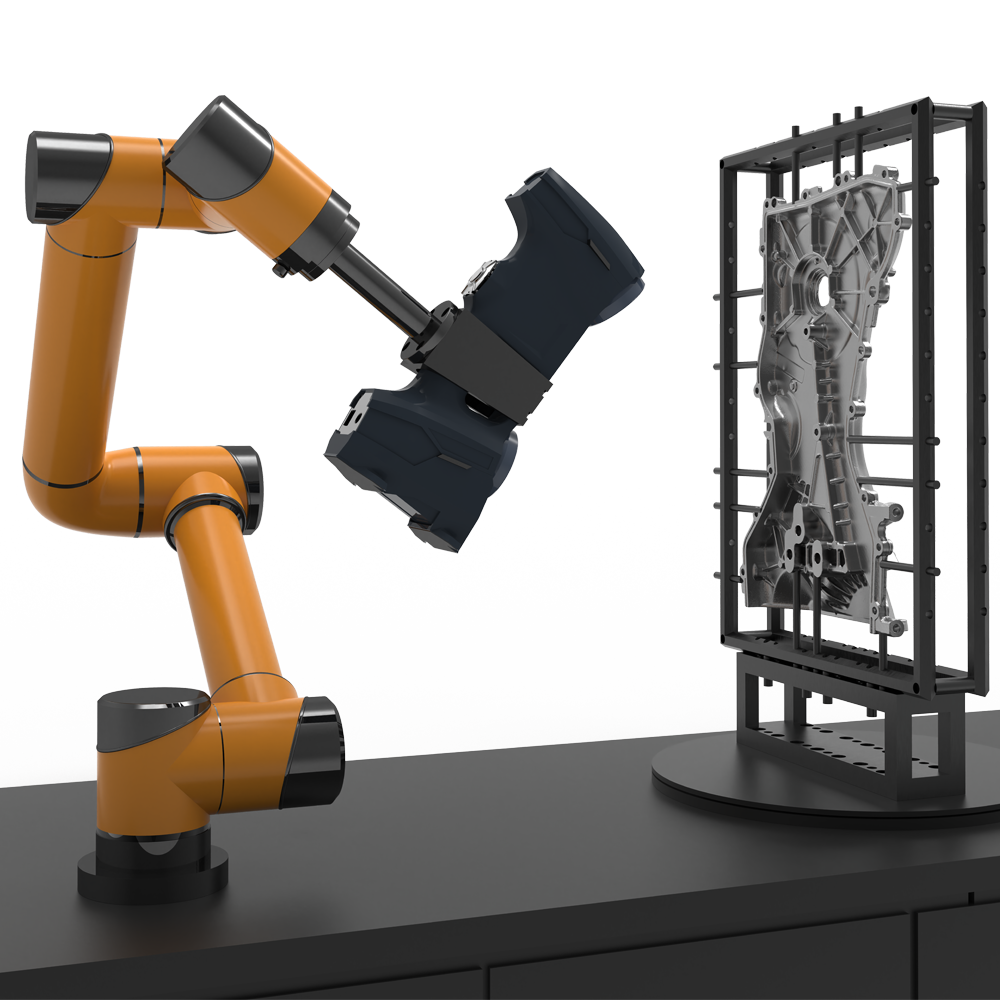
- The 3D scanner (HL-3DS) offers rapid scanning capabilities, capturing 3D data of the wing component in just 10 minutes with an accuracy of up to 0.02 mm. It utilizes advanced technologies such as multi-frequency phase-shift grating, coded-target calibration, and fully automated data stitching. (Images: On-site grating projection and point cloud data). The captured data is imported into 3D reverse engineering software for processing; the data is then converted into programs compatible with automated drilling robots to machine rivet holes on the wing components. This process significantly boosts production efficiency, achieves a 95% product pass rate, and rapidly resolves issues regarding wing production quality and redesign requirements for the aircraft manufacturer.

Wing component point cloud data STL data for wing components

Aircraft wing machining site