









- A +
- A
- A -
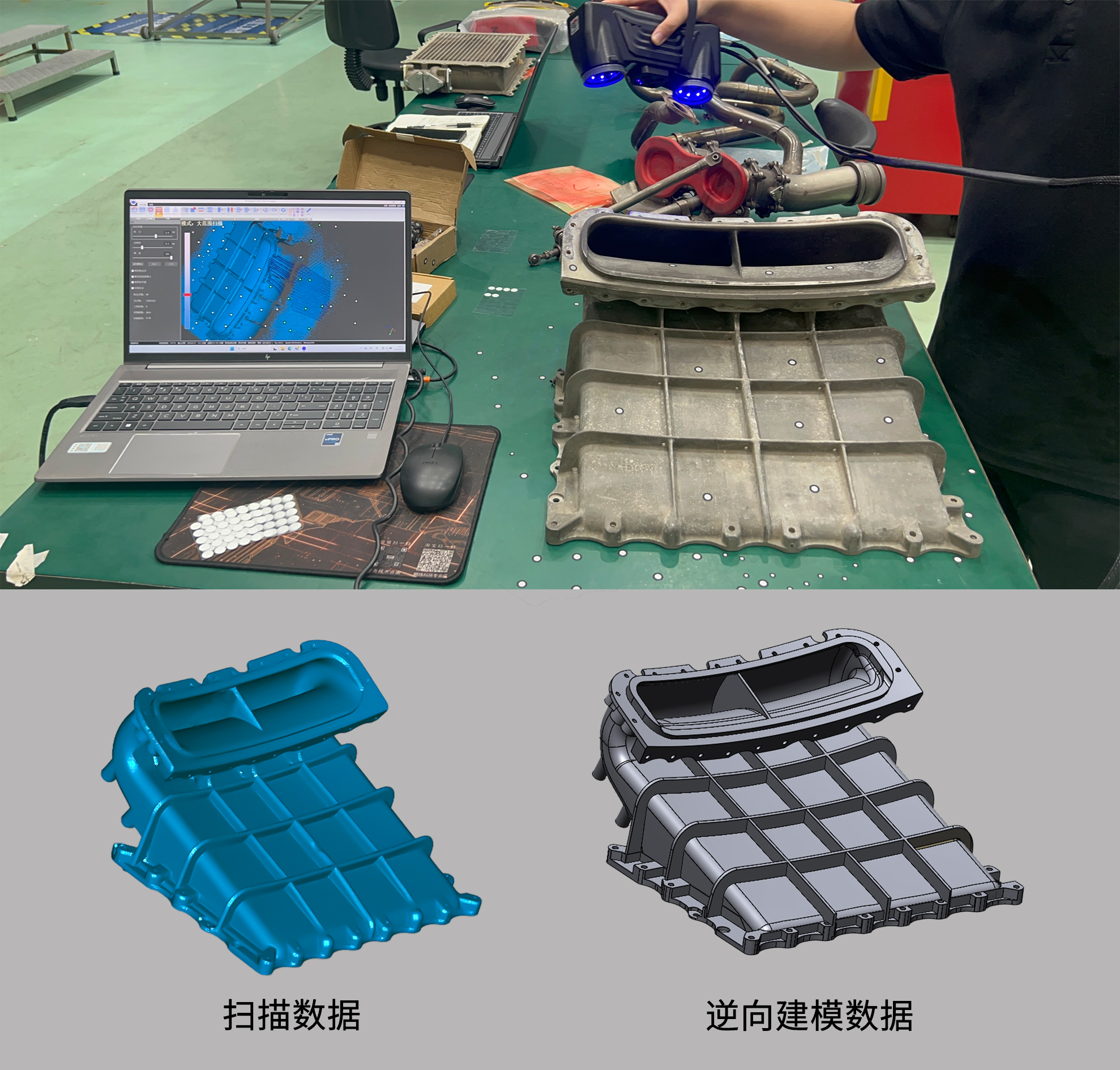
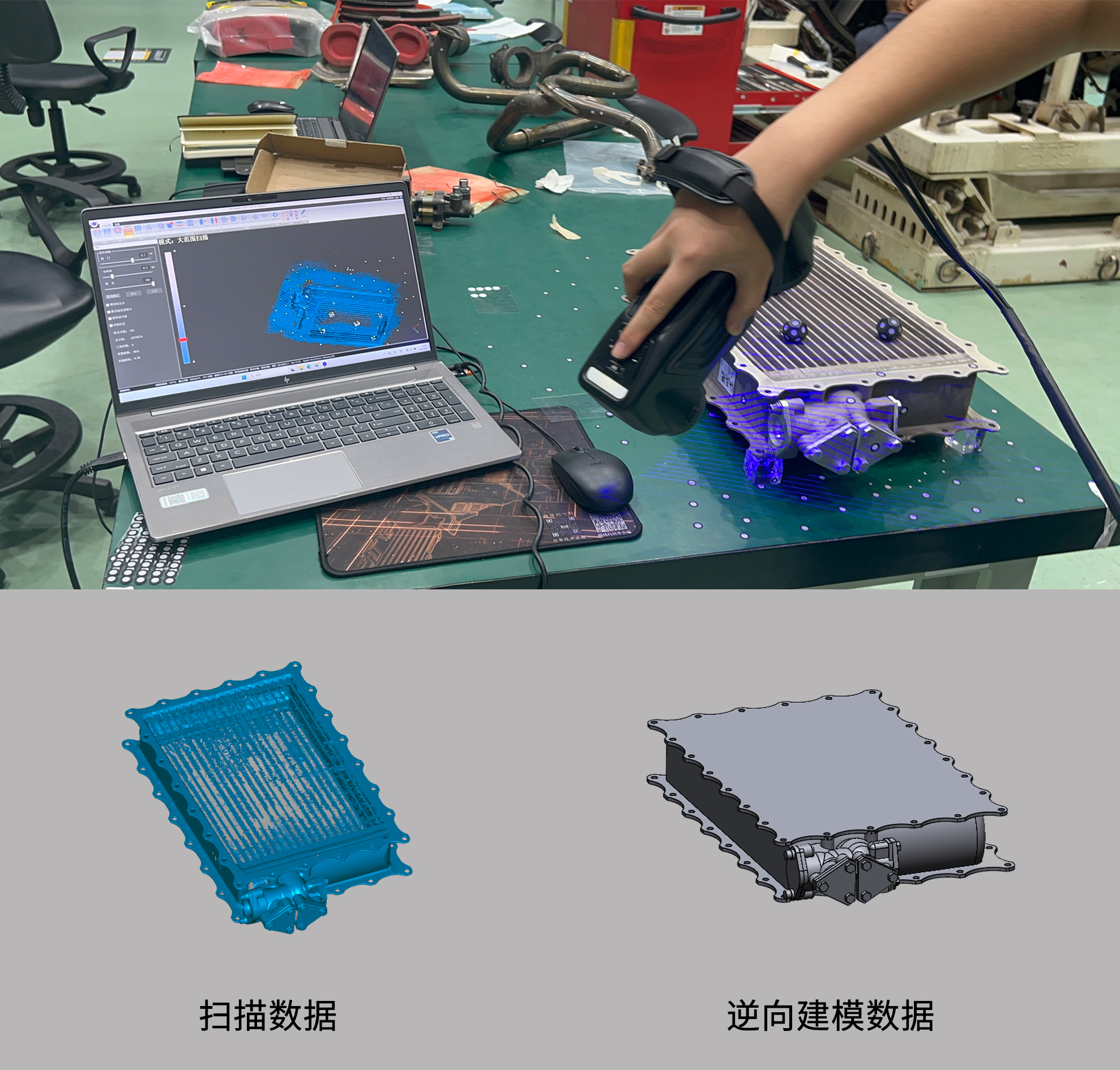
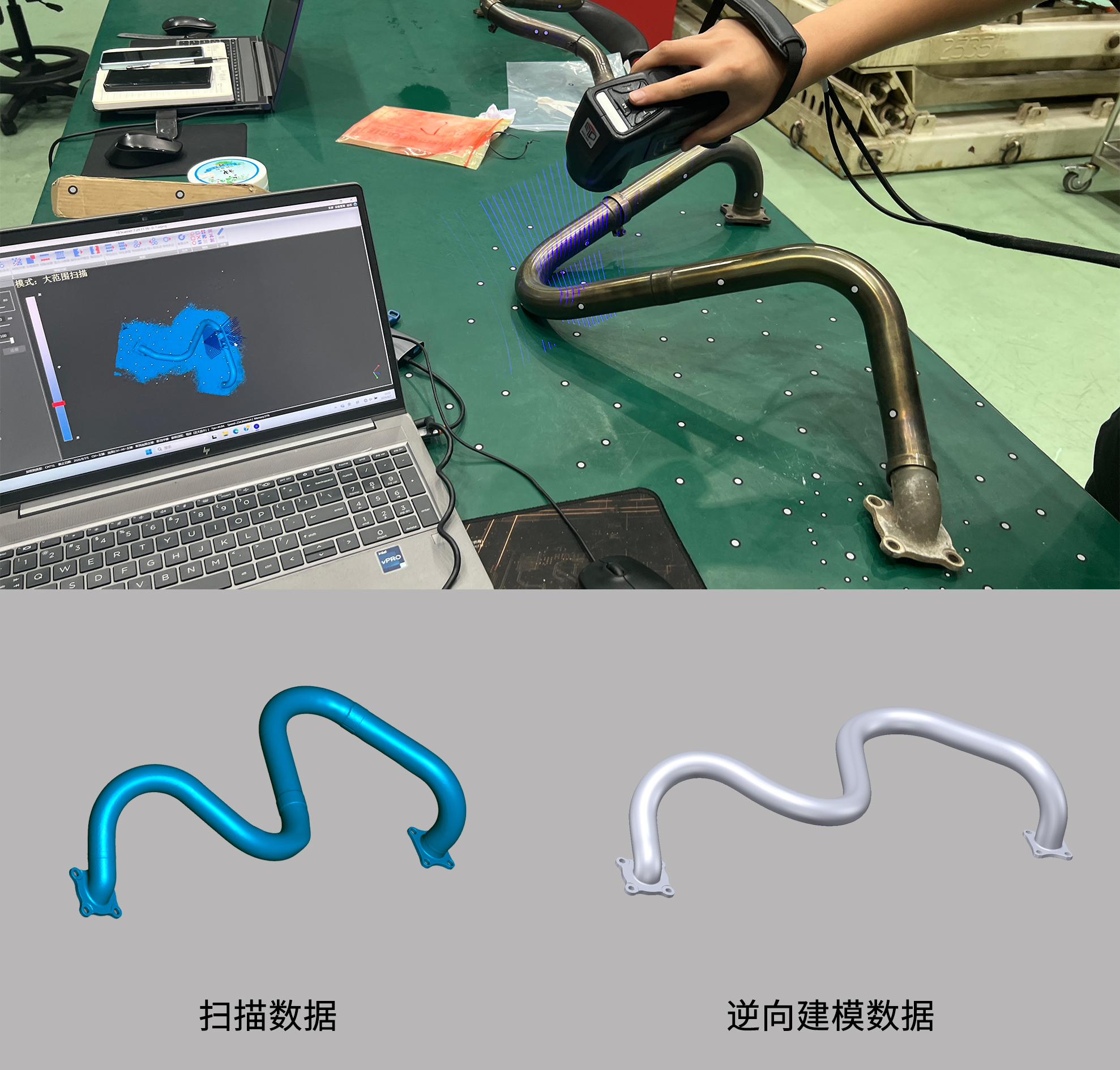
During the regular MRO maintenance operations of a major airline's aircraft engines, a lot of precision engine components have been in service for a long time, commonly facing issues like missing drawings, mismatched data versions, and worn or deformed parts. This includes various core components such as complex engine pipelines, irregular structural parts, connecting brackets, and precision assembly components. Traditional surveying methods can't meet the high-precision repair and spare parts replication needs. Our company provides the airline with one-stop 3D scanning and reverse modeling services, digitally capturing and reconstructing models of all kinds of engine maintenance parts. We accurately restore the real condition of the parts, providing standardized data support for engine maintenance verification, domestic processing of spare parts, and building digital archives of components, ensuring precision and efficiency in aircraft maintenance.
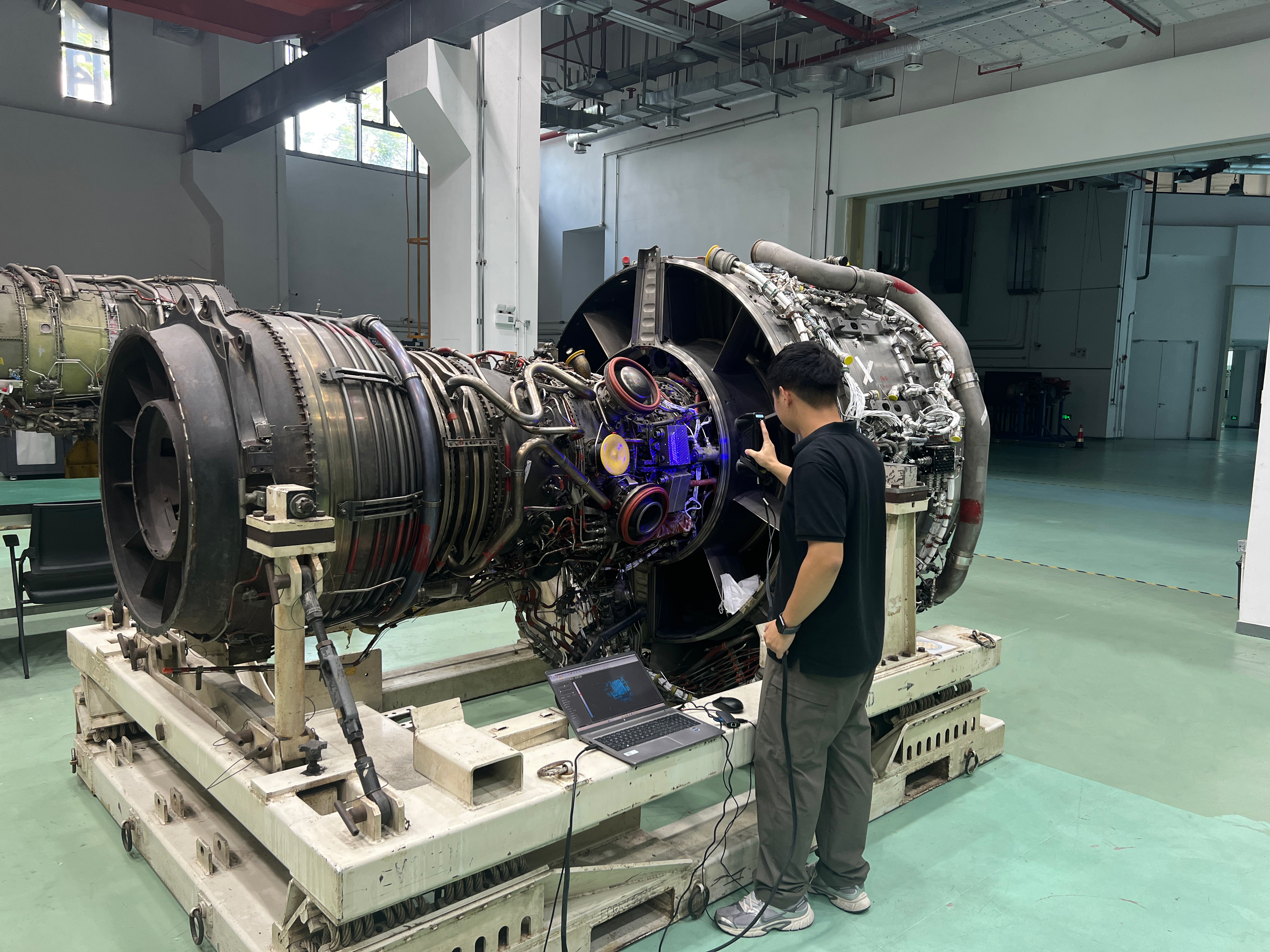
1. Complex part structures make surveying difficult: Aviation engine components come in many types and unique shapes, with intertwined pipelines, irregular surfaces, and spatial bending structures. Using manual calipers leaves many blind spots, making it hard to accurately get spatial angles, surface curves, and fitting dimensions.
2. High errors in manual surveying can lead to assembly failures: Traditional manual measurement is time-consuming and labor-intensive, with high data variability. Even tiny dimensional deviations can cause interference or poor fit during assembly of new parts, resulting in high rework rates and seriously affecting maintenance progress.
3. Old parts lack documentation and reliable design basis: Many old aviation engine parts don’t have complete original drawings and have deformed or worn over long-term use. The drawings often don’t match the actual parts, so they can’t be directly used for dimension checking or spare parts production.
4. Low efficiency in bulk maintenance and weak digitalization: Airlines handle large batches of diverse parts during maintenance. Traditional measurement can’t handle batch operations and lacks standardized 3D data, making it hard to set up long-term digital maintenance records.
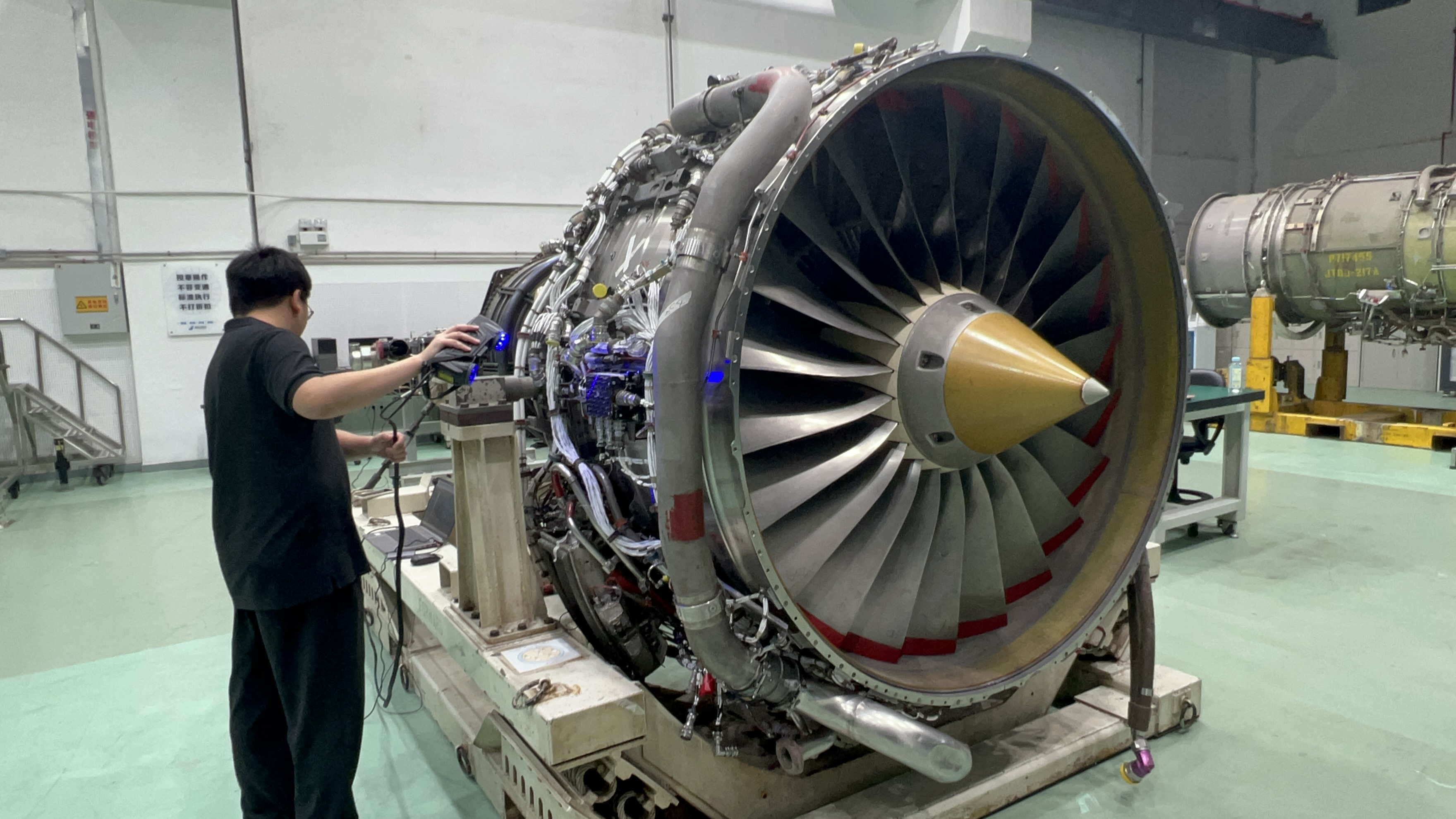
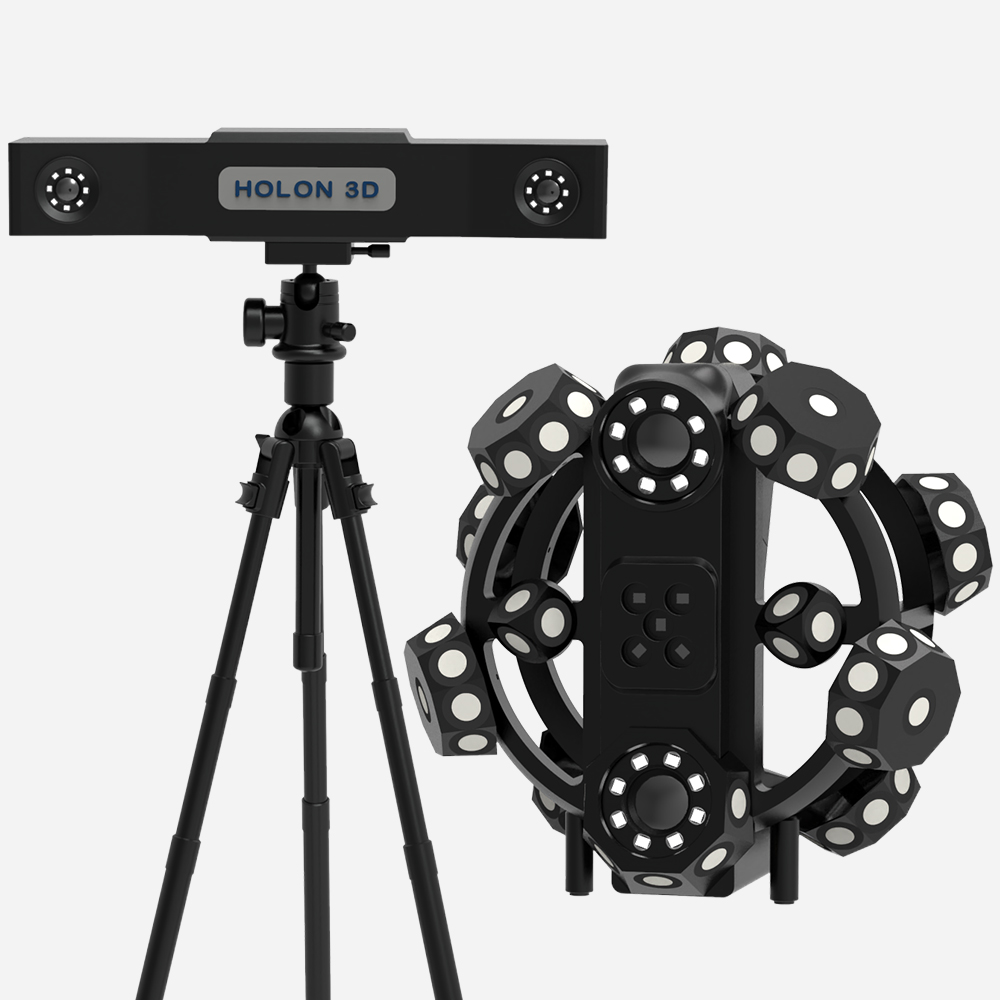
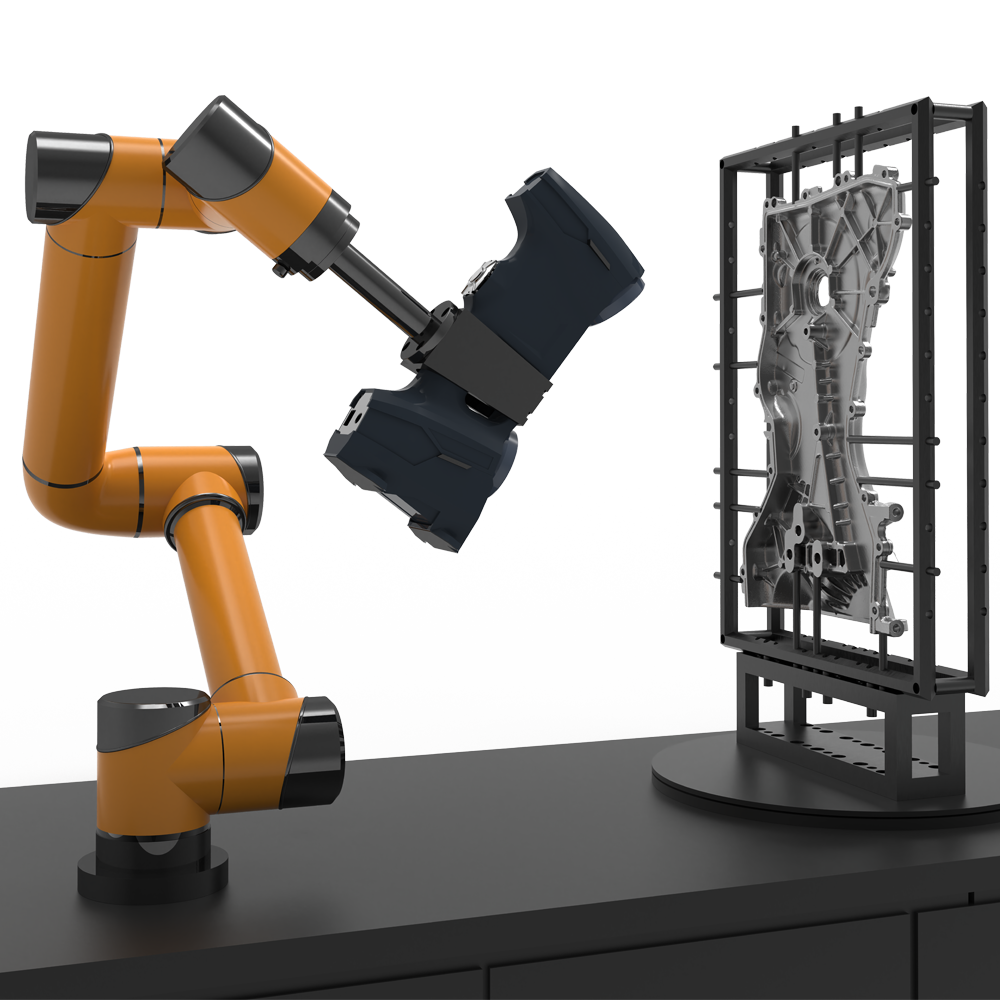
To address the pain points in the airline's engine maintenance scenarios, our company uses the HOLON handheld 3D scanner for on-site digital work. With an ultra-high precision of 0.02mm and 360° full coverage with no blind spots, it captures the complete shape data of all maintenance parts, including engine pipelines, special-shaped components, and precision connectors. This allows us to quickly get high-precision point clouds without complex preprocessing, making it suitable for fast scanning of aerospace metal parts and complex curved surfaces.
Using professional reverse engineering software, we denoise the point clouds, wrap surfaces, and reconstruct parametric models to batch-generate high-precision CAD 3D models that match the real parts. The output data can be directly used for local manufacturing of spare parts, comparing wear and deformation between old and new parts, assembly simulation verification, and maintenance quality assessment. At the same time, it helps companies build digital archives for engine components, completely solving the issues of low accuracy and efficiency in traditional manual measurements and the challenges of reverse-engineering precision engine parts. Overall, it significantly improves the standardization and digitalization of airline engine maintenance.