







- A +
- A
- A -
A well-known mold manufacturing company sought to use a 3D scanner to rapidly and accurately acquire 3D data of the mold bases they manufactured, in order to carry out redesign work on them. 
On-site photo of high-speed rail sleeper scanning
1. The client has high precision requirements for this workpiece—particularly regarding the open slots and hole locations on the mold base—specifying that the overall error must be controlled within 0.02 mm.
2. Traditional measurement methods yield limited data, making it impossible to conduct subsequent redesigns or quality inspections.
The client required 3D data of a mold base to facilitate secondary development through reverse engineering and CAD modeling.
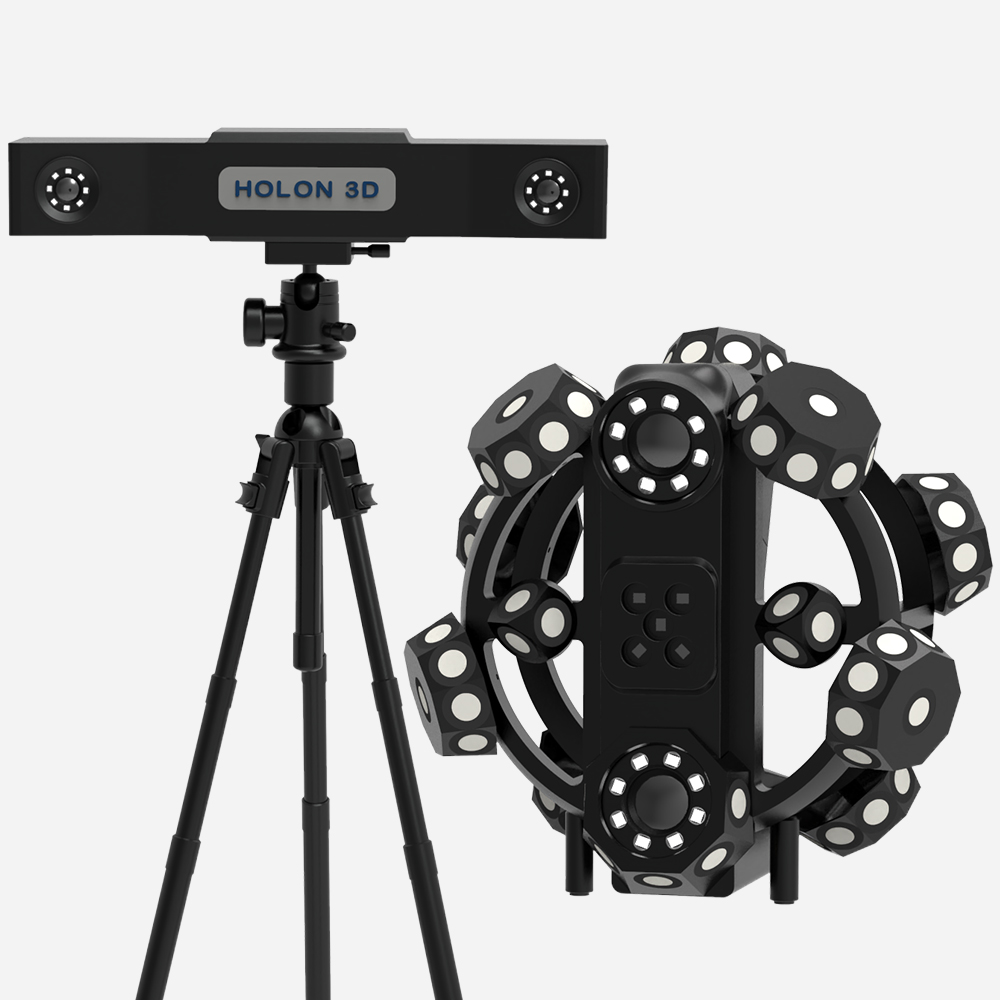
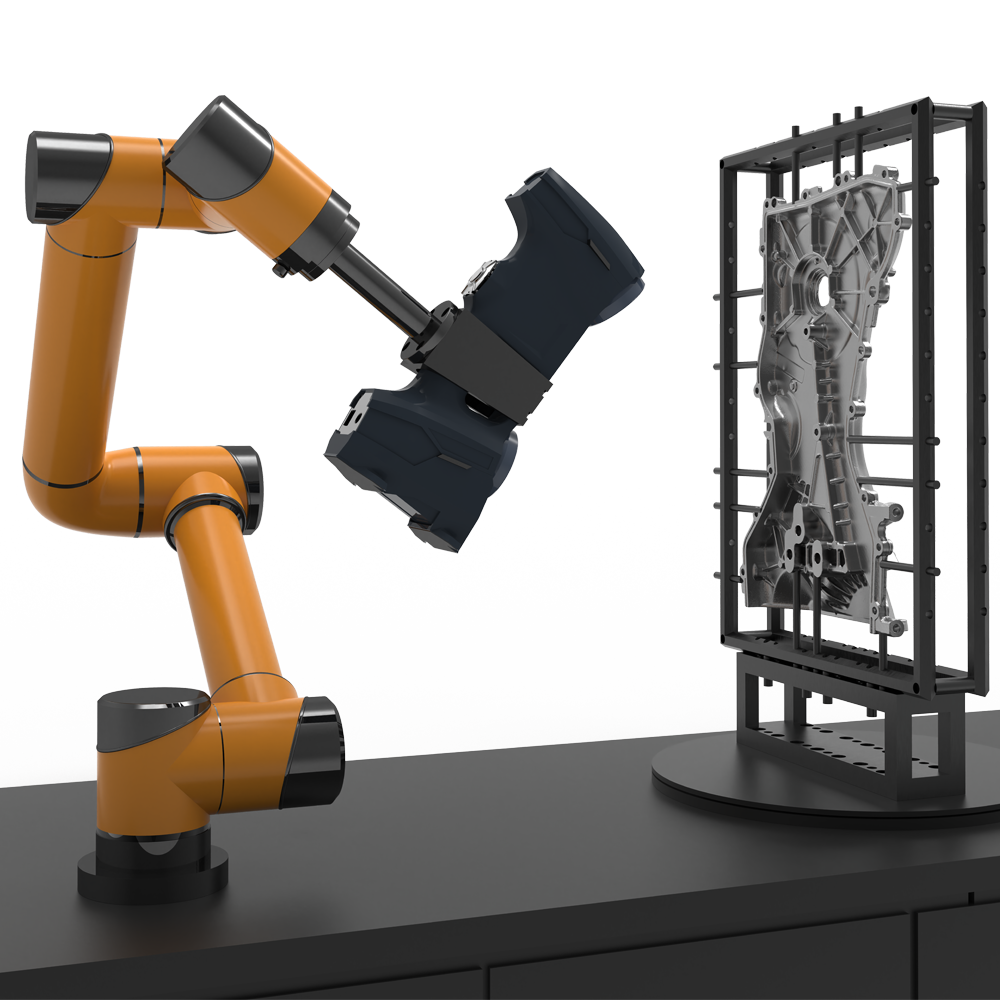
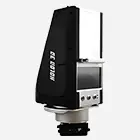
To meet this need, HOLON 3D technical engineers provided a professional solution comprising the HL-3DS 3D scanner (for rapid acquisition of high-precision 3D data), reverse engineering software (to convert point cloud data into triangular mesh data), and mainstream design software for post-processing to generate the final 3D digital model.
1. First, the HL-3DS 3D scanner is used to scan the mold base, capturing high-precision point cloud data;
2. Reverse engineering software is used to process the data and generate a 3D model of the mold base in STL format;
3. The 3D data is imported into reverse modeling software to generate CAD data for the mold base, thereby accelerating its secondary development.

STL data diagram of high-speed railway sleepers
 High-speed railway sleeper point cloud data image
The 3D data obtained from the mold base has a wide range of subsequent applications:
1. Product improvement;
2. Product quality comparison;