















- A +
- A
- A -
The engine flywheel is an important component of an internal‑combustion engine. Its main functions include storing and releasing energy, maintaining smooth engine operation, and transmitting torque as part of the clutch. In addition, the mass of the flywheel helps reduce fluctuations in rotational speed to ensure steady engine running. The engine flywheel is of great significance to the performance and reliability of internal‑combustion engines.
1. The detection is difficult. It features a complex structure and large size, which makes direct detection hard. In addition, the flywheel will suffer wear and deformation during long‑term service, and these changes further increase the difficulty of detection.
2. High requirements for detection accuracy: As a critical component of the engine, the flywheel has a direct impact on the stability and efficiency of the engine. Therefore, extremely high detection accuracy is required for flywheels, and advanced detection technologies and equipment need to be adopted.

Physical product photo
Holon 3D Engineer delivers solutions based on 3D scanning technology. By using a handheld 3D scanner, it can rapidly acquire 3D data on the flywheel surface in a non‑contact manner, including critical information such as shape, dimensions, and surface defects. This high‑precision measurement capability guarantees the accuracy of inspection results and eliminates errors that may arise from contact in traditional inspection methods. Meanwhile, 3D scanning technology can fully capture all surfaces of the flywheel, including hard‑to‑reach hidden areas, thus enabling comprehensive inspection of the flywheel.
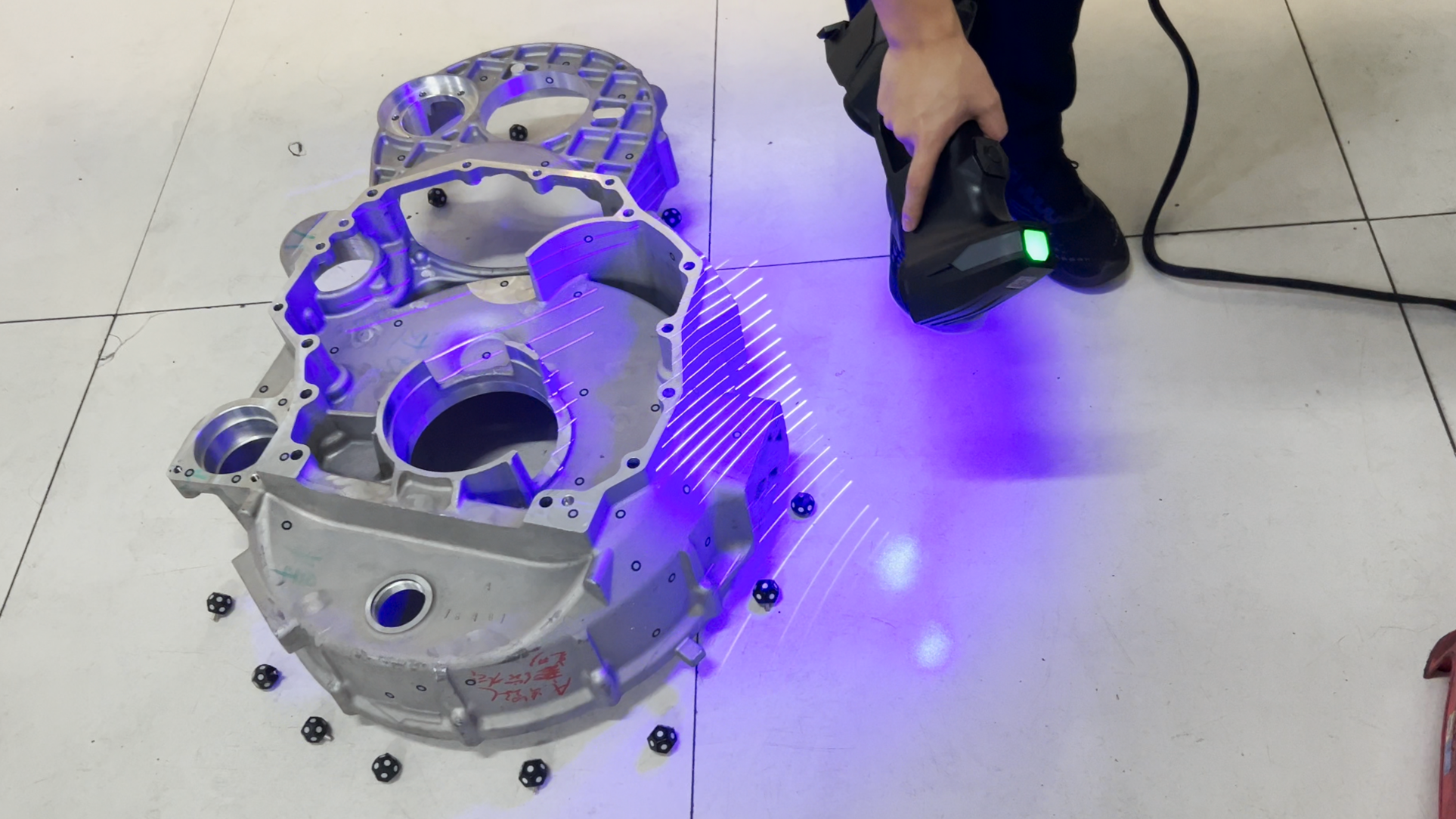
On‑site scan image
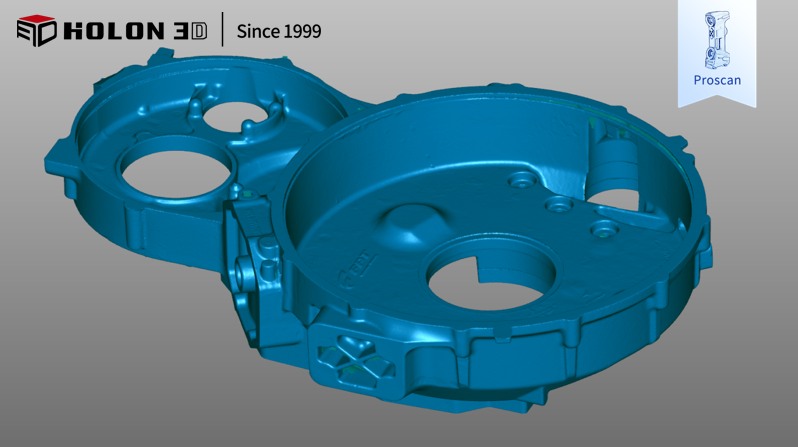
STL data diagram
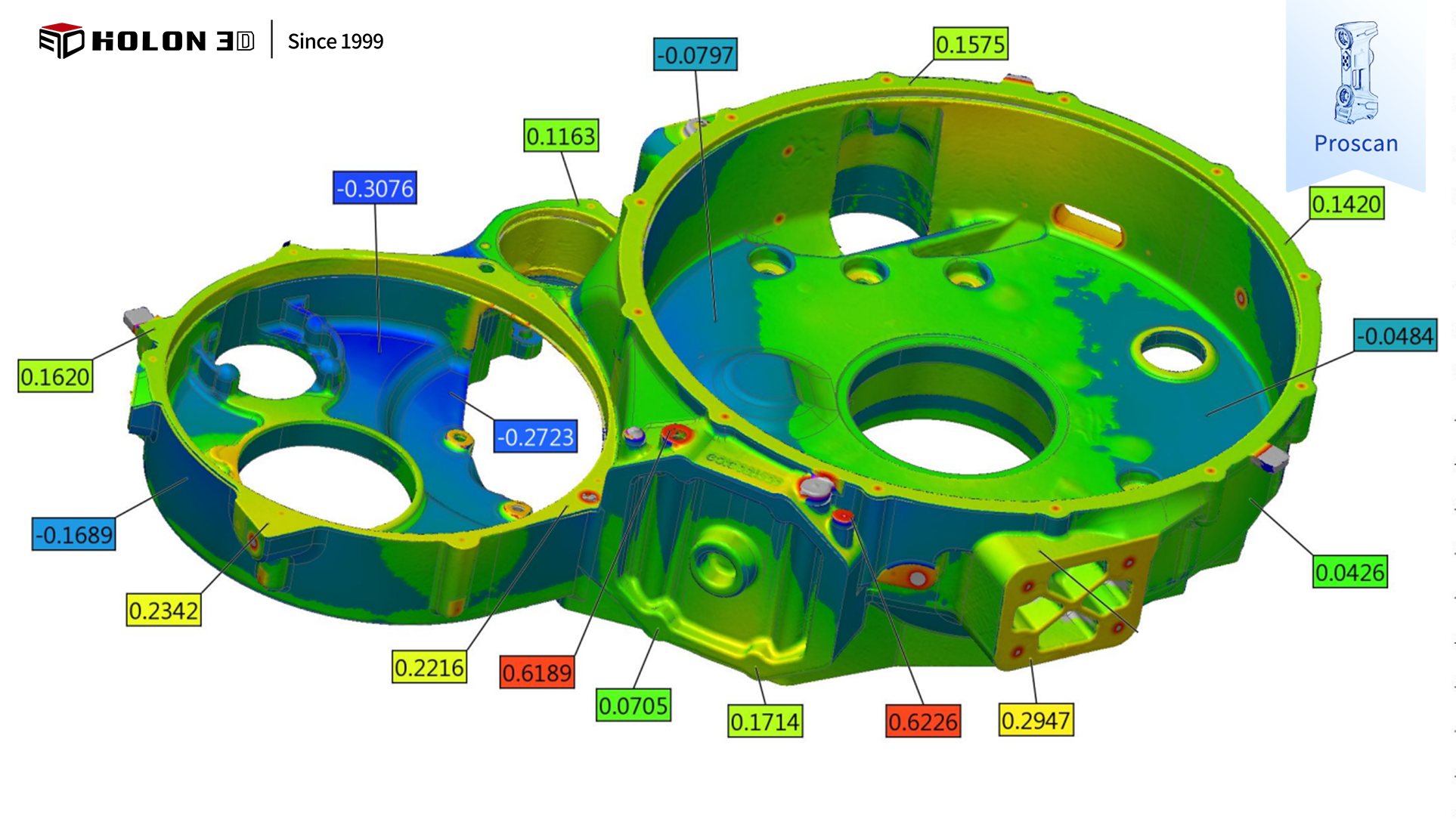
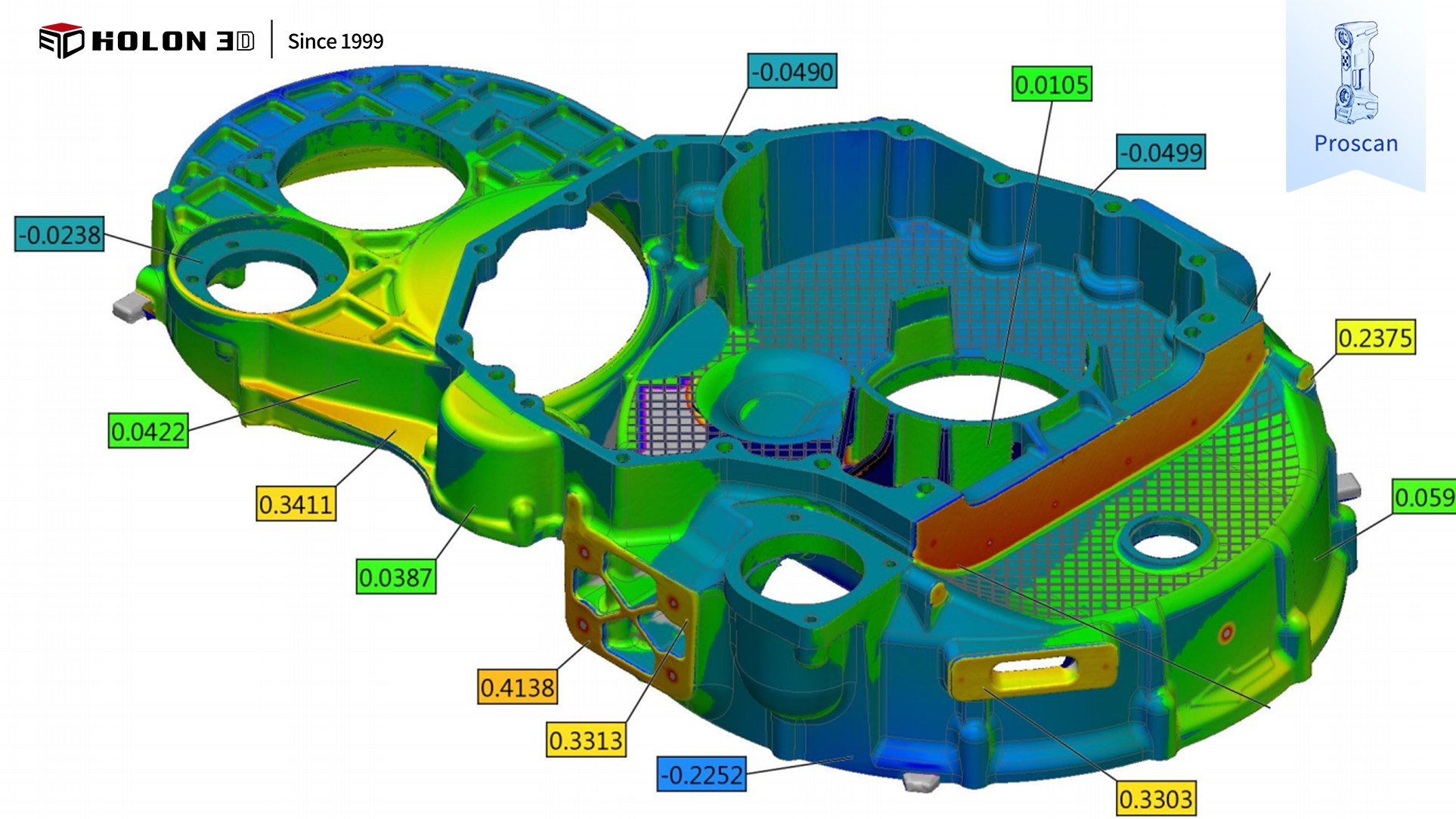
Import the inspection image from the detection software