




- A +
- A
- A -
Driven by strong government subsidy and support policies, the new‑energy electric vehicle market has developed significant market potential. In the consumer sector, electric vehicles are set to replace traditional fuel‑powered vehicles as an emerging trend. While electric vehicles are substituting traditional family‑use fuel‑powered cars, they fail to satisfy consumers’ diverse usage requirements. Given that the traditional automotive industrial system is already highly mature, electric vehicle manufacturers intend to use 3D scanners to modify existing automobile products, covering the whole process from design to finished‑product alteration.
1. A company intends to use a photogrammetric 3D scanner to convert traditional fuel‑powered vehicles into electric vehicles. This approach helps avoid large‑scale capital investment, shortens the development cycle, and ultimately reduces the cost of retrofitting electric vehicles.
2. A photogrammetric 3D scanner is adopted to perform indoor 3D scanning on electric vehicles. The client requires rapid acquisition of 3D surface data of fuel‑powered vehicles with high‑precision requirements for the 3D scanning data.
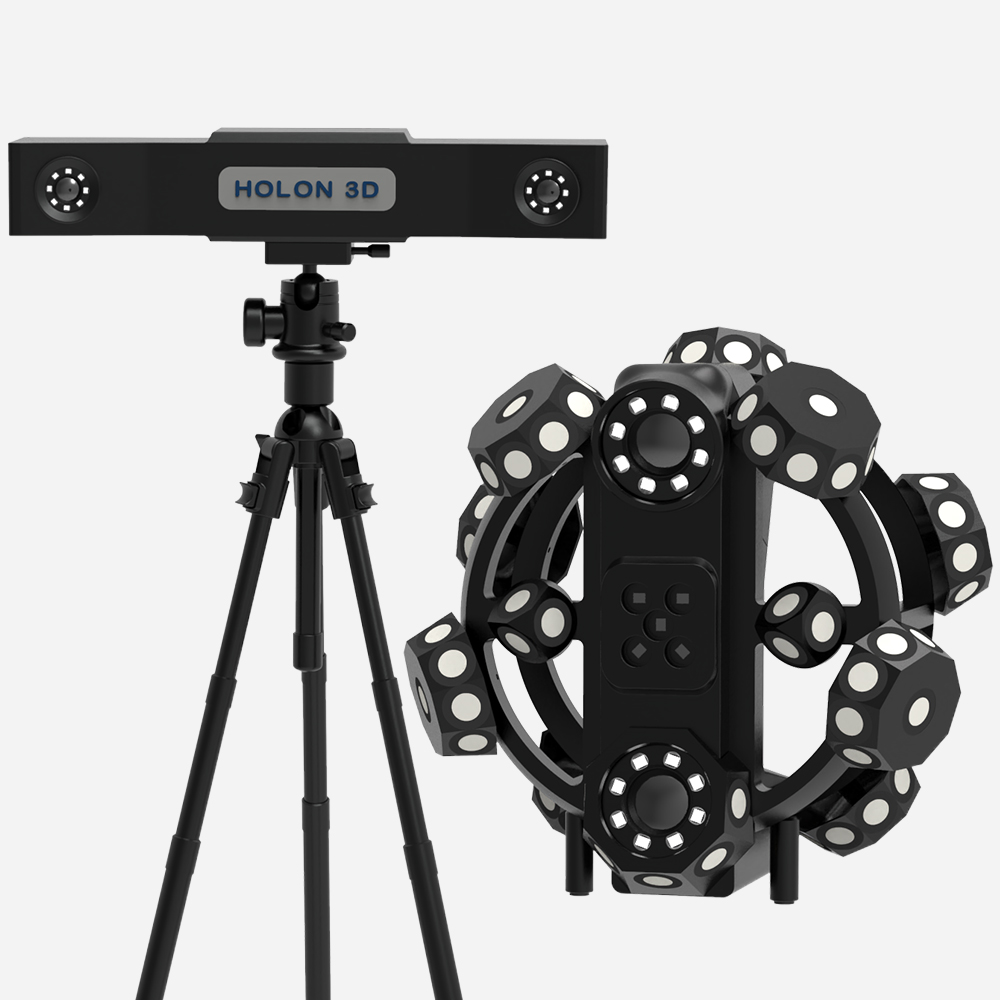
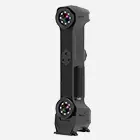
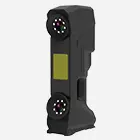
The customer requested to scan a complete automobile using a photogrammetric‑based 3D scanner. The resulting 3D scan data directly impacts the modification design of the electric vehicle, and relatively high scanning accuracy is required. Holon 3D technology engineers used the top‑of‑the‑line 3D scanner α7000 to acquire 3D data of the vehicle for reverse design and development of the automobile. The 3D scanner α7000 delivers extremely high cumulative scanning accuracy. A single unit can scan workpieces of approximately 4 m. Equipped with carbon‑fiber components, it features strong thermal‑shock resistance and a low thermal‑deformation coefficient. These features help the device achieve higher scanning accuracy, enhanced stability and high efficiency. Scanning one whole vehicle can be completed within ≤2 hours.

On‑site physical photos of Mercedes‑Benz vehicle scanning
1. Preliminary preparation work
Spray the developer: Improve the background‑color contrast on the surface of the sample part so that the 3D scanner can better acquire the 3D scanning data of the automobile.
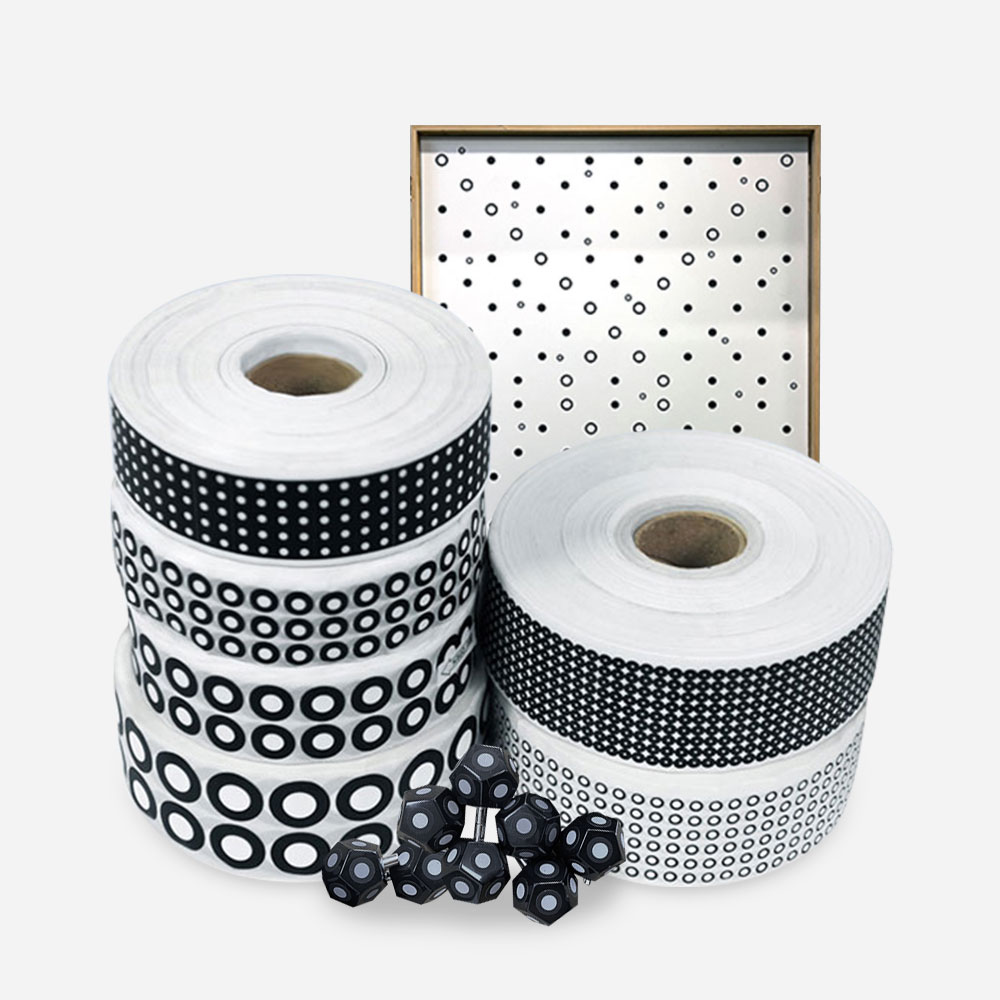
Attach marker points: Enable the acquired 3D scanning data to be positioned and aligned in the scanning software.

On‑site scanning image of the Mercedes‑Benz vehicle
2. 3D Scanning
The α7000 3D scanner delivers fast‑speed scanning for complete automobiles. It only takes about 2 hours to acquire the external 3D data of a vehicle, with an overall scanning accuracy of ±0.04 mm/4 m. The α7000 3D scanner adopts technologies including the extrapolation‑based multi‑frequency phase‑shift grating technique, coded‑point calibration technology and fully‑automatic stitching technology. The automotive 3D scanning data is imported into 3D reverse‑engineering software for processing. The processed data is then imported into design software to carry out reverse design of the automobile.

Mercedes‑Benz STL data diagram
Mercedes‑Benz STL data diagram
Mercedes‑Benz STL data diagram