




- A +
- A
- A -
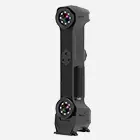
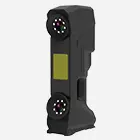
Toyota Motor Corporation uses the Holon 3D Scanner HL‑3DW to acquire 3D data of the pickup truck bed for reverse engineering, then creates moulds for mass‑production of 2×2‑meter pickup truck beds.

On‑site of the Toyota pickup truck cargo bed
1. Rapid 3D measurement and 3D digital model acquisition are required for the pickup truck cargo box. However, the complete vehicle features numerous complex curved surfaces. Apart from improving measurement efficiency and drastically cutting down measurement time, measurement accuracy also needs to be well‑controlled, with the overall measurement accuracy required to be within 0.1 mm.
2. Regarding the measurement efficiency requirements put forward by this automotive company, traditional gantry‑type coordinate measuring machines come with high equipment costs. Moreover, they can only acquire partial data of the pickup truck cargo box. Areas with sharply curved surfaces and steep inclinations cannot be measured, which results in incomplete acquired data and makes the secondary design of the pickup truck cargo box impossible.

On‑site photo of Toyota car body scanning
Toyota Motor Corporation needed to open molds for mass production of a 2‑meter‑by‑2‑meter pickup truck cargo bed. After learning that a 3D scanner could acquire 3D data, the company contacted and cooperated with a 3D scanning service provider. The service provider spent nearly 11 hours scanning the pickup truck cargo bed and obtained data with an accuracy of 0.7 mm. During the scanning process for the pickup cargo bed, due to insufficient scanning range and instability of the 3D scanner, the data had to be repeatedly aligned and spliced many times. This ultimately resulted in distorted data and failed stitching.
1. Pre‑preparation
Spraying developing agent: To enhance the contrast of the base color on the surface of the sample part and obtain higher‑quality scanning data.
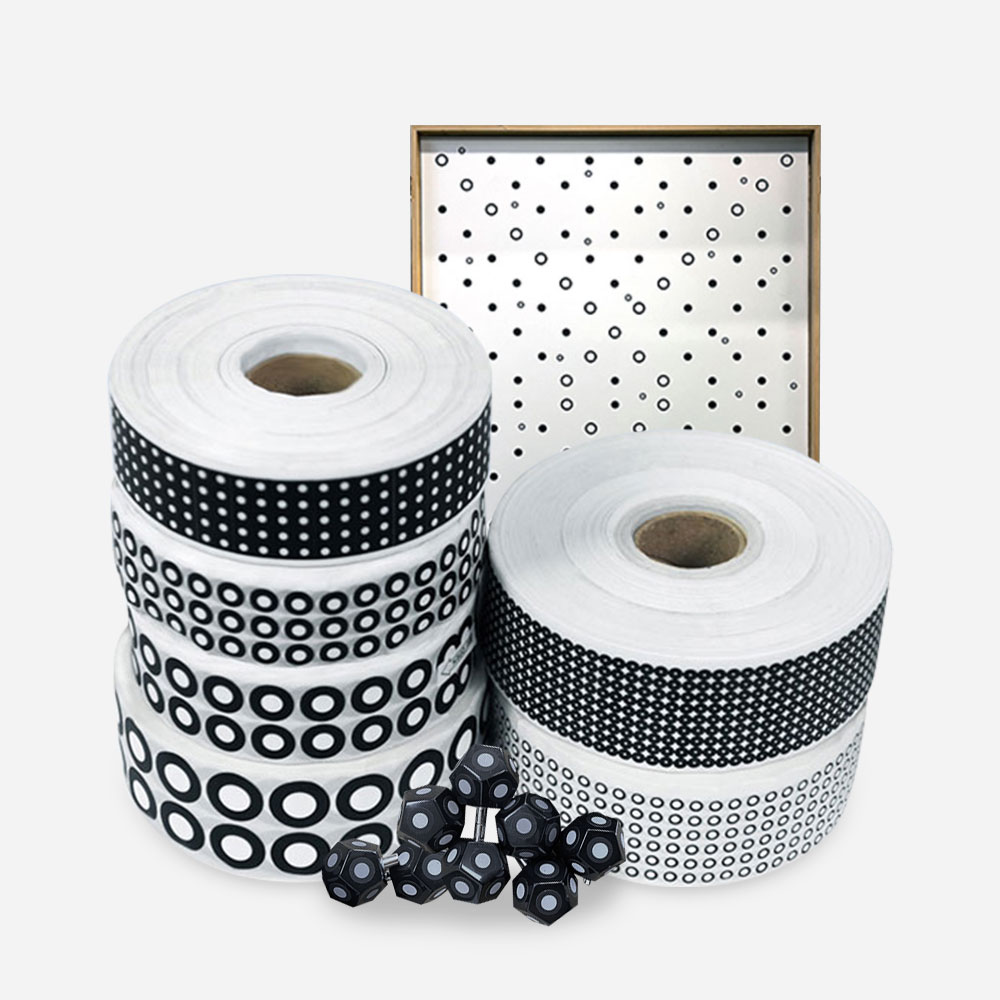
Pasting marker points: To enable positioning and stitching of the acquired data within the scanning software.
2. 3D Scanning
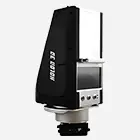
Through a referral from an acquaintance, Toyota learned that Hualang 3D had developed the large‑format special‑purpose automotive 3D scanner HL‑3DW, and entrusted Holon 3D to scan the pickup truck cargo bed. After understanding the specific requirements, engineers from Holon 3D adopted the HL‑3DW 3D scanner. This device features fast scanning speed and a scanning depth of field up to 1200 mm; the entire scanning process ran very stably. The whole task took only 2 hours, and the acquired data for the pickup truck cargo bed reached an accuracy of 0.1 mm. The scanned point cloud data of the pickup cargo bed was imported into reverse‑engineering software and converted into triangular mesh surface data. Subsequent post‑processing was performed inside the reverse‑engineering software, which accelerated the secondary design of the pickup cargo bed, supplied reliable parameters for other relevant departments, ensured that the final design fully satisfied manufacturing specifications, and speeded up the production of the pickup truck cargo bed.

Point cloud data diagram of Toyota pickup truck cargo box