





- A +
- A
- A -
A well‑known automotive parts manufacturer needed to carry out reverse design for an auto component. The company used the Holon self‑developed 3D scanner to acquire high‑precision 3D data. Combined with reverse‑engineering software, it accelerated the development of new products.
1. Since this component involves connections with multiple other parts, the customer requires extremely high precision.
2. This automotive part features a complex shape, drastically varied curved surfaces, and numerous hole positions. Traditional measurement methods are very time‑consuming and fail to deliver sufficiently accurate data.

Physical photos of automotive parts
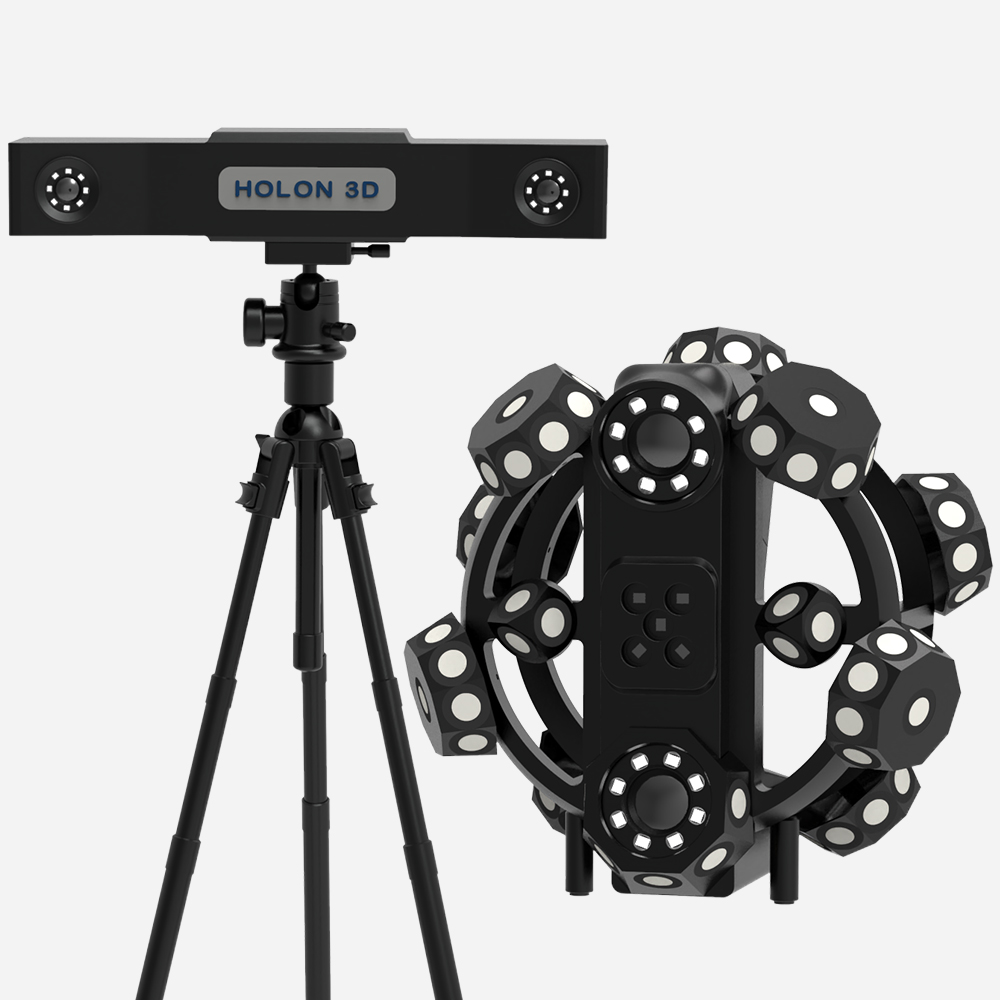
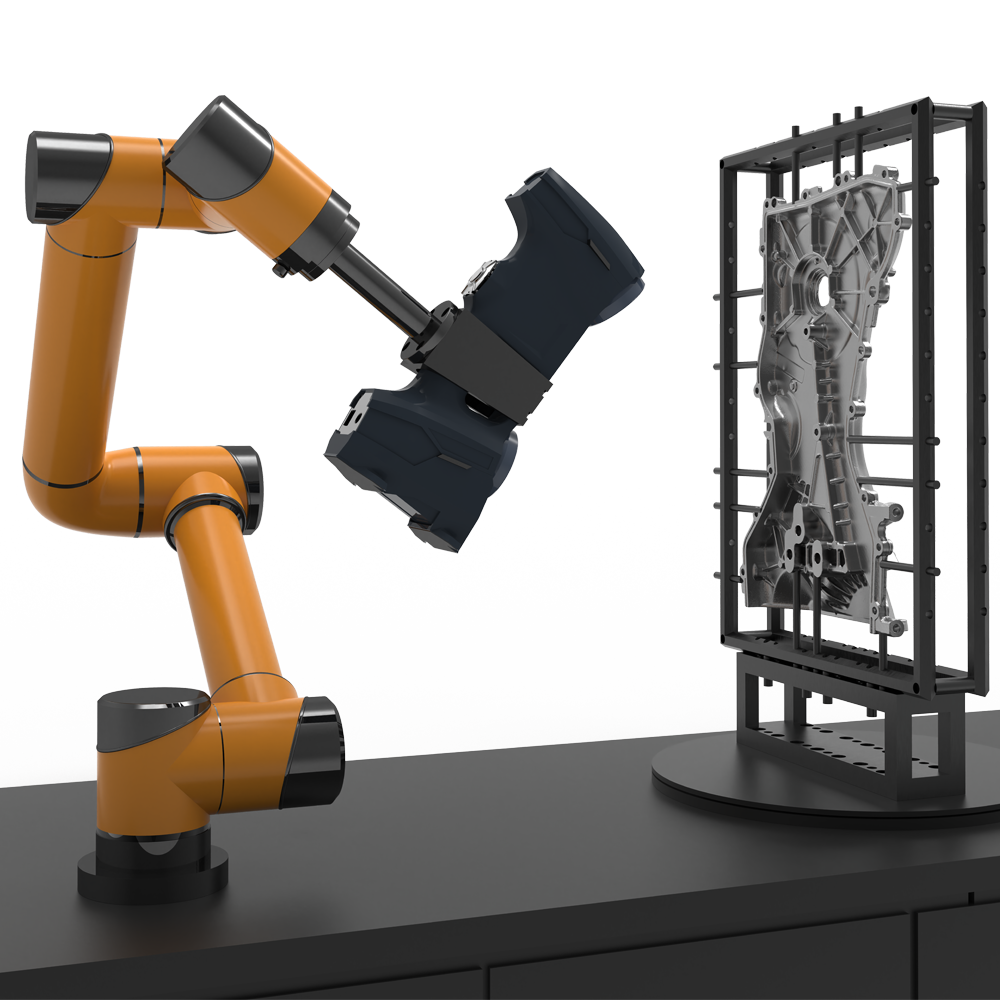
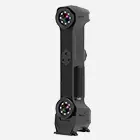
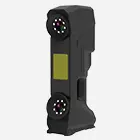
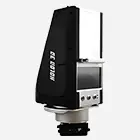
Given the characteristics of auto parts such as complex free‑form surfaces, sharp variations in curvature and numerous hole positions, Holon 3D technical engineers proposed a solution adopting the 3D scanner HL‑3DS+ (to rapidly acquire high‑precision 3D data of automobile engines), reverse‑design software (to convert engine point‑cloud data into triangular mesh surface data), and subsequent post‑processing within design software.
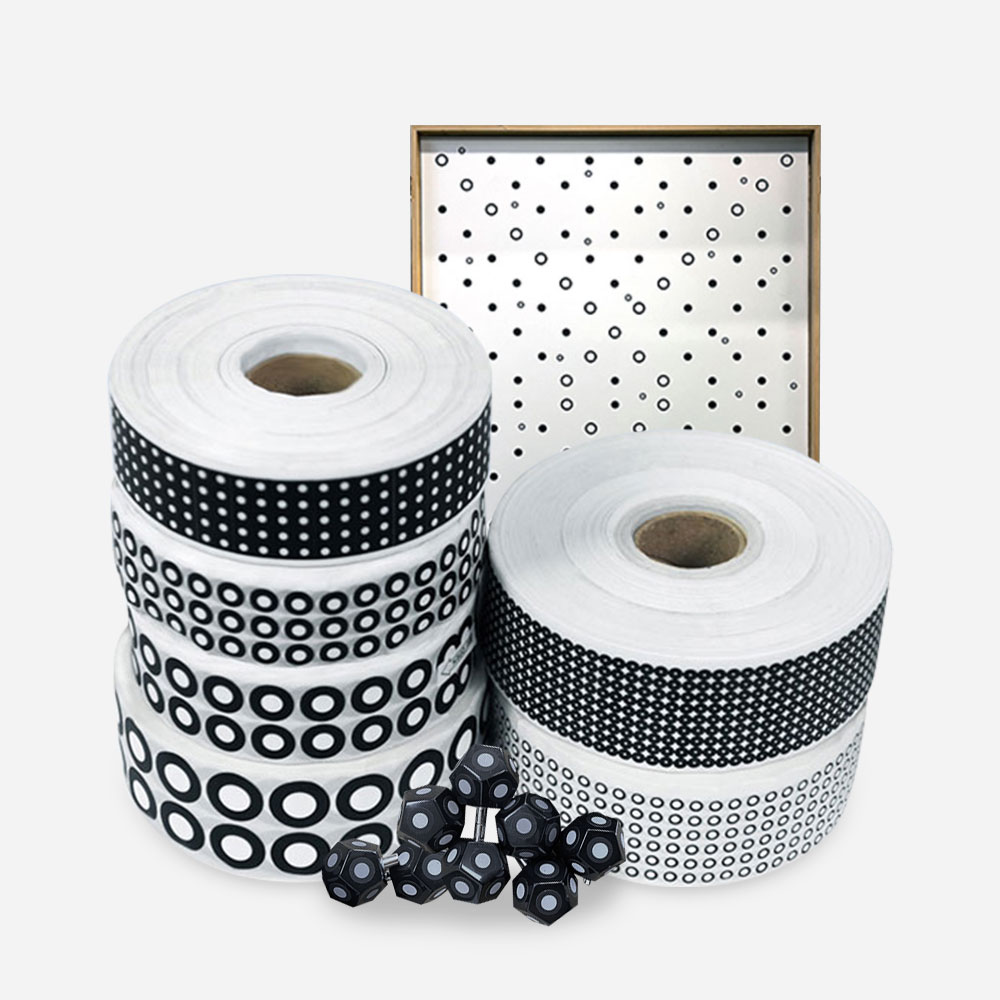
The 3D scanner (HL‑3DS) applies technologies including extrapolation‑based multi‑frequency phase‑shift grating, coded‑point calibration and fully‑automatic stitching. It delivers fast scanning speed and high precision. It takes merely 10 minutes to obtain 3D data for automobile parts, with data accuracy reaching 0.02 mm. The acquired 3D data of auto parts is imported into 3D reverse‑engineering software for processing and then transferred to design software for reverse design of automobile components, which accelerates the development of new‑generation products.

STL data diagram of auto parts

STL data diagram for auto parts