




- A +
- A
- A -
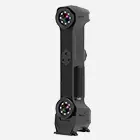
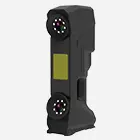
The kayak model measures four meters in length, presenting a significant scanning challenge. By analyzing the object, HOLON 3D technical engineers utilized the proprietary HL-3DW 3D scanner to capture the model's 3D data in just forty minutes, achieving an accuracy of 0.1 mm.
1. Traditional measurement methods suffer from insufficient data acquisition density (inadequate data volume) and are unable to measure the curved surfaces and contours of kayak models, making proper inspection and subsequent reverse engineering impossible.
2. The kayak model measures 4.0 meters in length; standard 3D scanners have limited scanning ranges, requiring an excessive number of scans to cover large objects. This leads to issues such as the inability to locate registration markers or successfully stitch the data together, resulting in a heavy workload, low efficiency, and data accuracy that fails to meet client requirements.
Redesigning a kayak model from scratch is costly and time-consuming, hindering product research and development. Using a 3D scanner to capture high-precision 3D data from the kayak model boosts the efficiency of reverse engineering specialists, ensures the accuracy of CAD designs, and shortens the product development cycle.
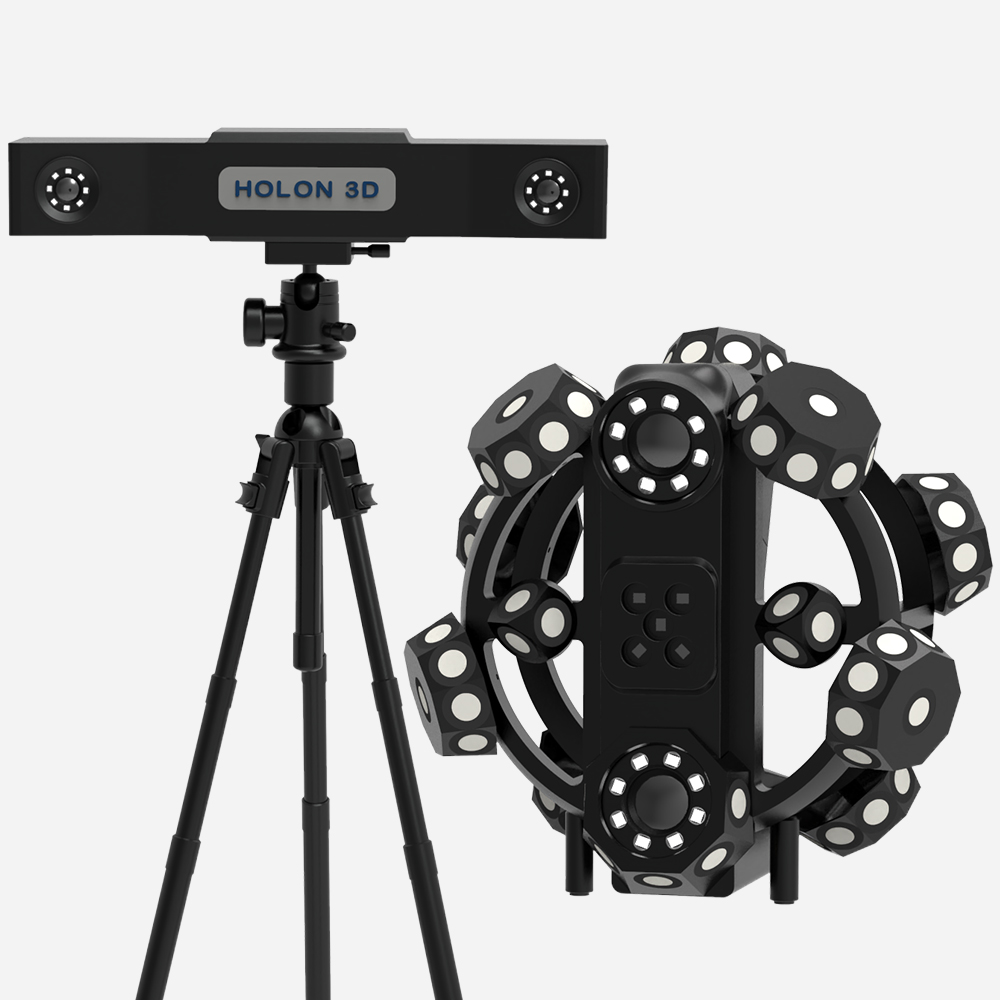
Given the kayak model's large size and complex curved surfaces, technical engineers from Hualang 3D proposed a solution utilizing the HL-3DW 3D scanner (designed for large objects to rapidly capture high-precision data), reverse engineering software (to convert point cloud data into triangular mesh data), and mainstream design software for post-processing, thereby accelerating the redesign process.
Scanning a kayak model—which measures four meters in length—presents significant challenges, a task that remains beyond the capabilities of many domestic companies. Before the project was entrusted to Hualang 3D, it had been contracted to a well-known Canadian handheld 3D scanner company; however, the results were unsatisfactory. Although the handheld scanner company claimed an accuracy of 0.5 mm, the actual scan results deviated by nearly 4 cm, leading to the scrapping of the mold and significant financial loss. By analyzing the scanned object and employing the proprietary HL-3DW large-object 3D scanner, Hualang 3D engineers captured the complete 3D data of the kayak model in just forty minutes. The high-precision data met the client's requirements and successfully resolved their problem.

Photo of the actual kayak model

On-site scanning of a kayak model

Front-view STL data for the kayak model

Front-view STL data for the kayak model

Front-view STL data for the kayak model