





- A +
- A
- A -
A high-end toy aircraft design company needs to design propeller models while accounting for factors such as flight speed and engine power output. Key design parameters include diameter, number of blades, solidity, blade angle, and pitch. As the manual design process is time-consuming, the company aims to use 3D scanners to capture the propeller's 3D data and employ reverse engineering to accelerate the workflow.
The traditional design cycle is long and cannot meet the needs of toy aircraft design companies. Using traditional measurement methods, only part of the data of the aircraft propeller model can be obtained, and irregular curved surfaces cannot be accurately measured, resulting in incomplete data acquisition and making it impossible to design the aircraft propeller model.
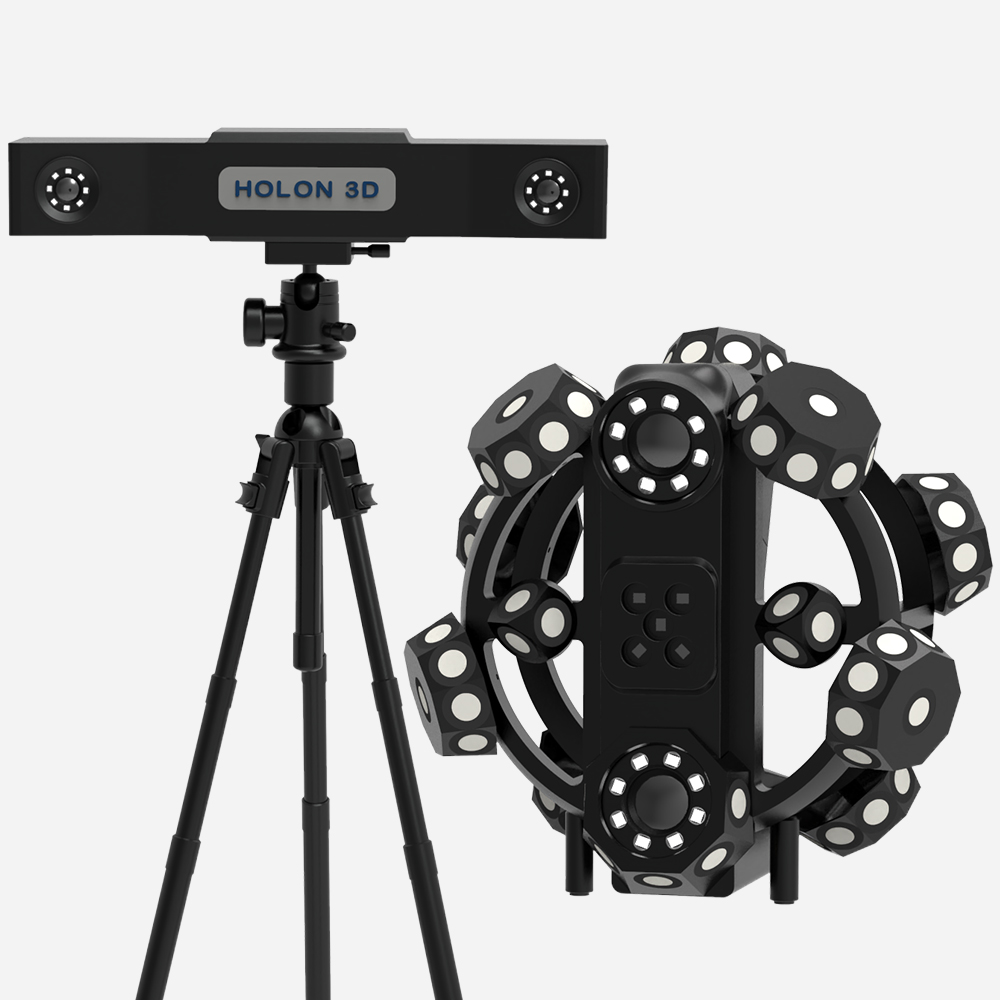
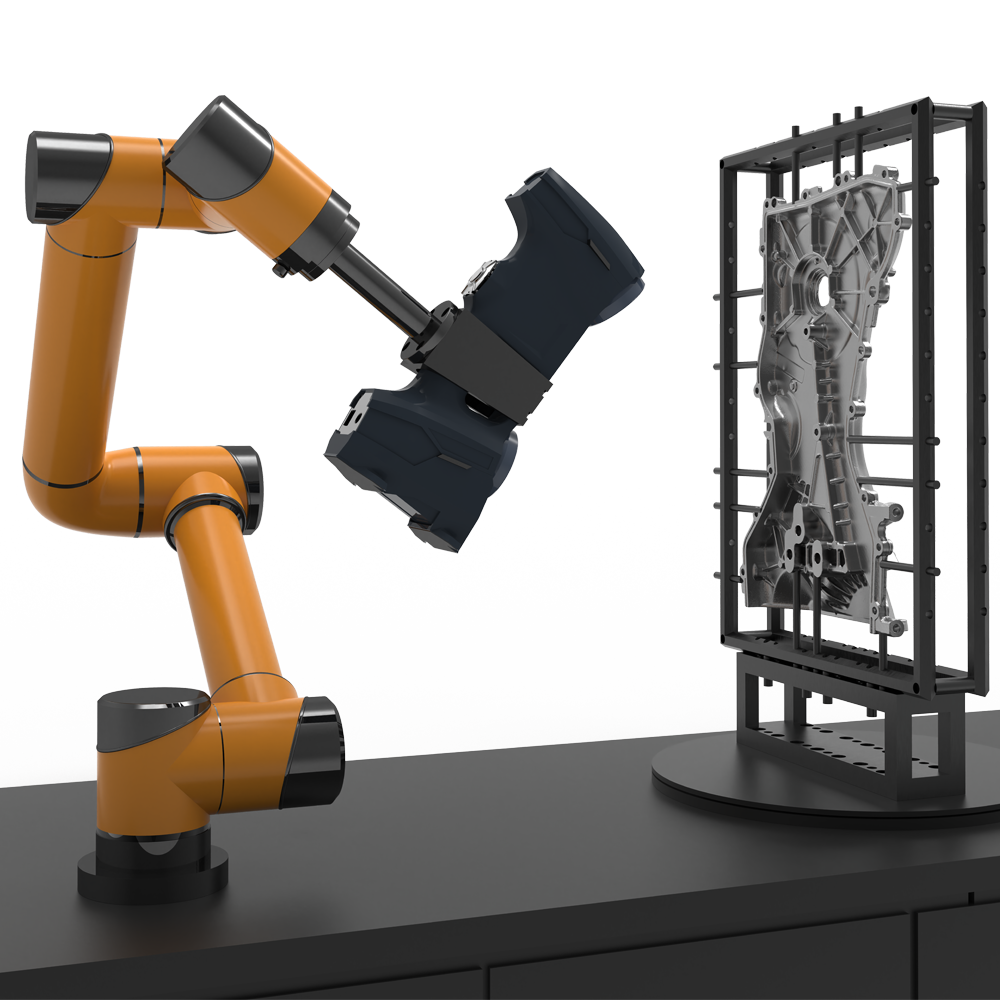
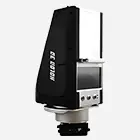
To address the challenges faced by the client, HOLON 3D technical engineers proposed a solution: utilizing the HL-3DS 3D scanner to rapidly capture 3D data of the propeller model, converting the point cloud data into triangular mesh data via reverse engineering software, and—leveraging the software's capabilities—modifying the design directly on the digital model to meet client requirements, thereby accelerating the redesign process.
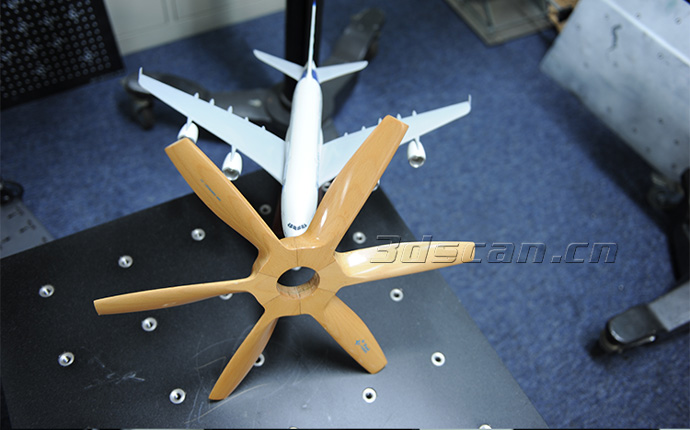
Photograph of an actual aircraft propeller model
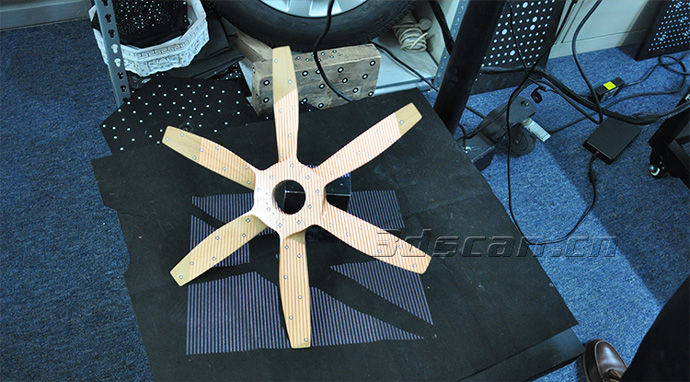
Scan of an airplane propeller model
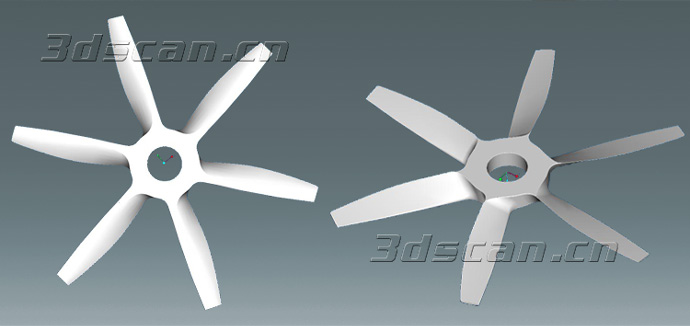
3D data for an aircraft propeller model

Airplane Propeller Model STL Data
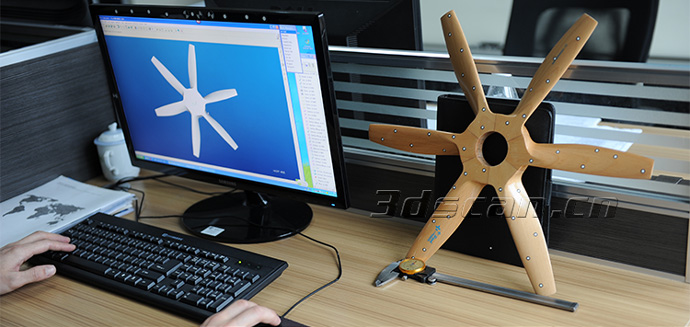
Scan of an airplane propeller model