





- A +
- A
- A -
With the booming real estate industry, China's sanitary ceramics sector has also been growing rapidly. Existing ceramic companies are constantly merging, and new sanitary ceramic companies keep emerging. Customers want to use 3D scanning to get data from bathtubs without drawings, so that later improvements to their shape and functionality can be made accordingly.
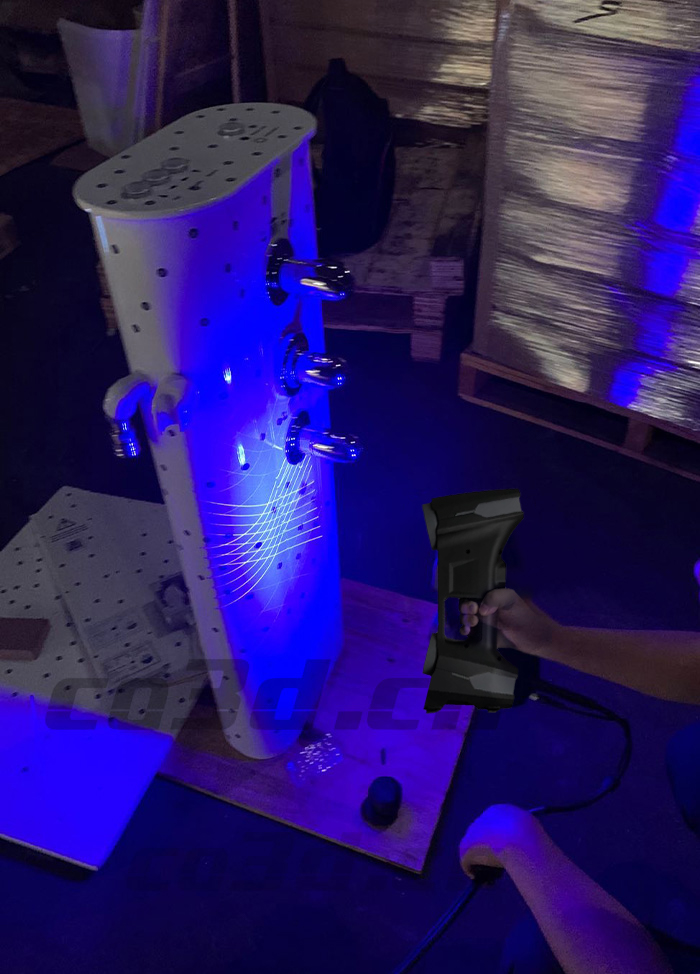
On-site scan image
The bathtub has a large overall area, with a wide and deep concave surface, so scanning it can take a lot of time. The client has high accuracy requirements because the data will be used in later work to improve product quality. Since the bathtub needs to be installed and connected with other parts, it's important to avoid errors during assembly. A high-precision, high-efficiency 3D scanner is needed for scanning.
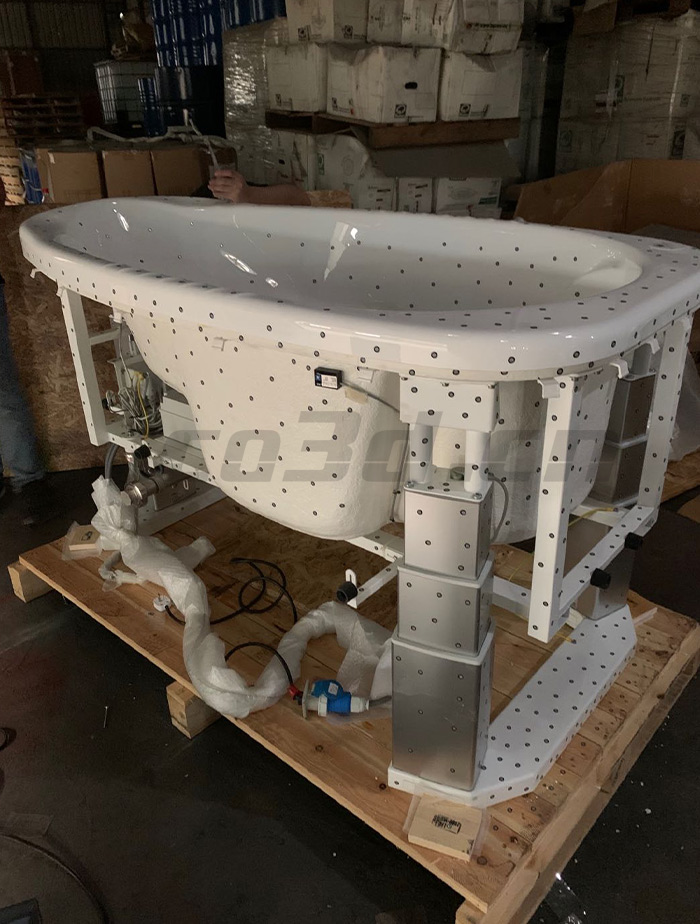
Bathtub on-site scan diagram
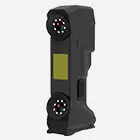
According to the client's request, HOLON 3D tech engineers used the HOLON751 handheld 3D scanner to quickly capture high-precision data of the bathtub. The scanner is fast, accurate, stable, and easy to use—just pick it up and go, scanning from multiple angles. The data is then imported into 3D software for processing, and combined with reverse engineering software for modeling, allowing for both data retention and innovative design.
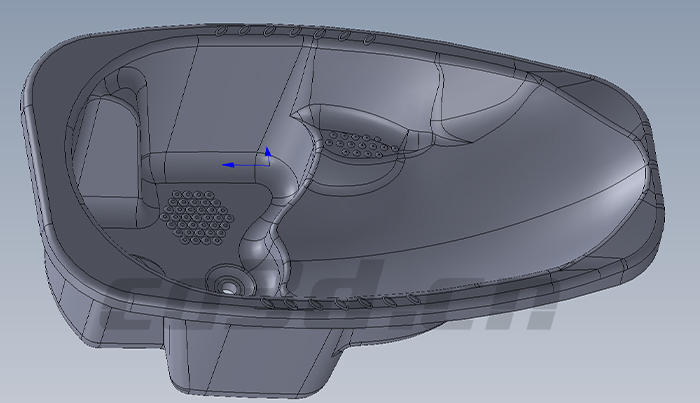
Reverse Data Chart
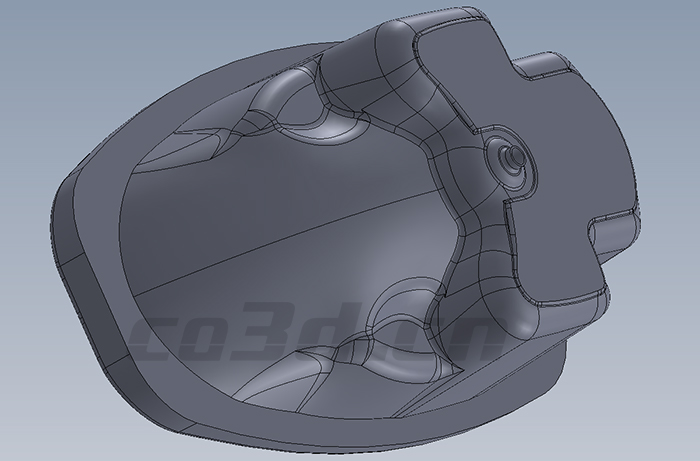
Reverse Data Chart