




- A +
- A
- A -
As critical components in industrial production, the precision of a casting's structural details directly impacts subsequent processing and application performance. To facilitate design optimization and iterative development, the client required 3D data acquisition of the casting for reverse modeling purposes. However, given the casting's complex surface features, traditional measurement methods struggled to meet the necessary standards for speed and accuracy; consequently, handheld 3D scanning technology was selected to provide reliable data for the casting's digital modeling.
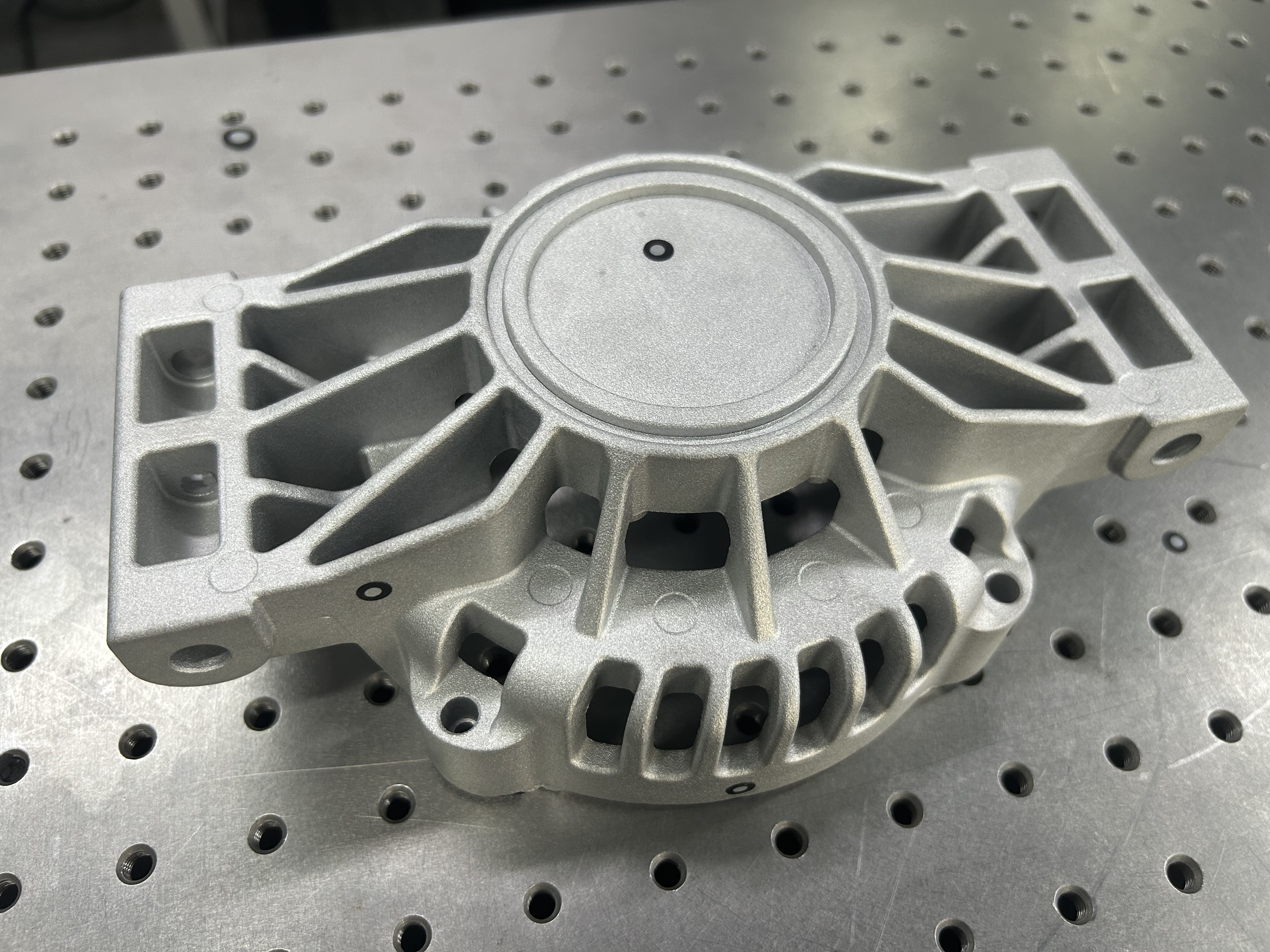
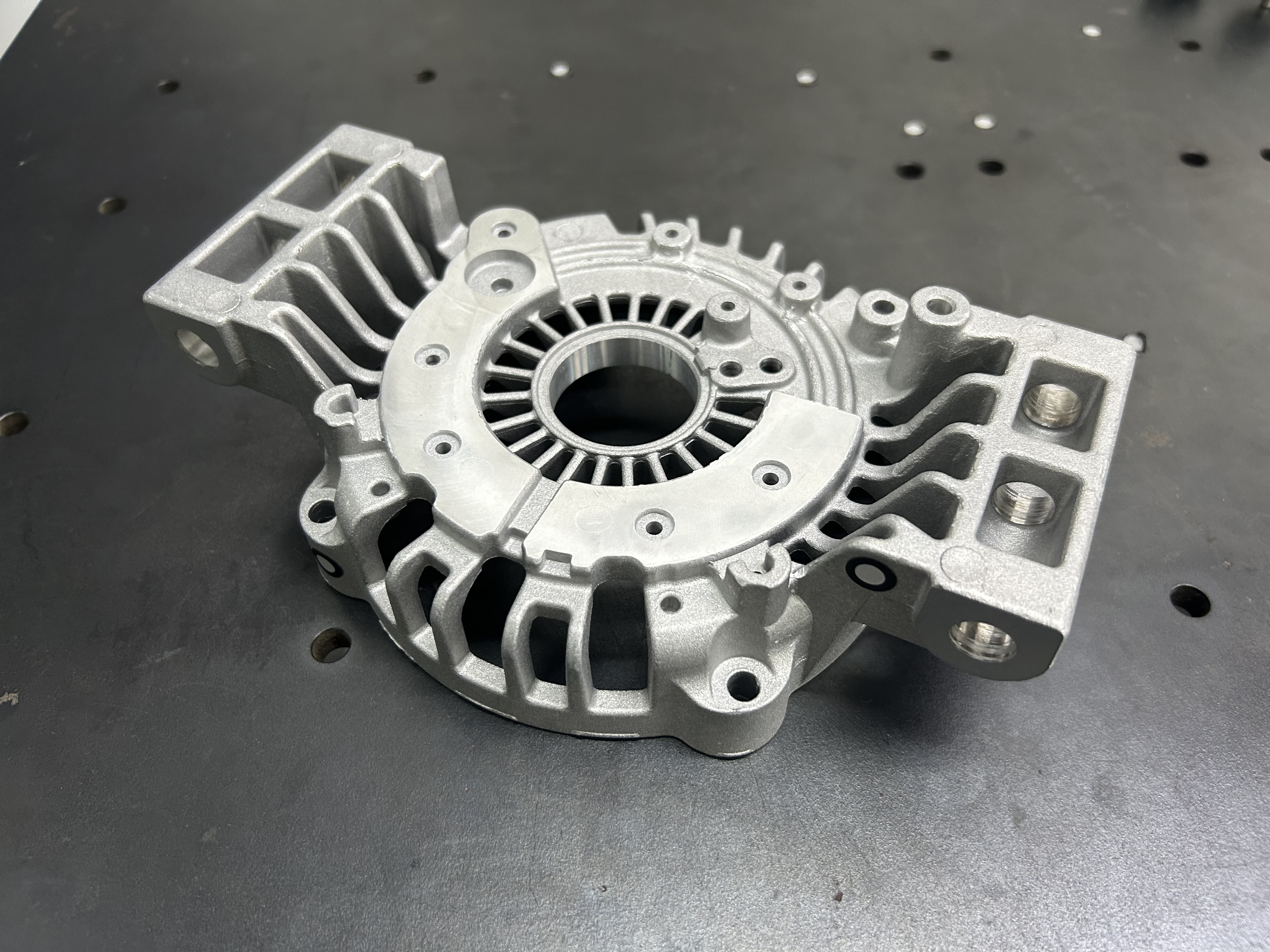
Actual product photo
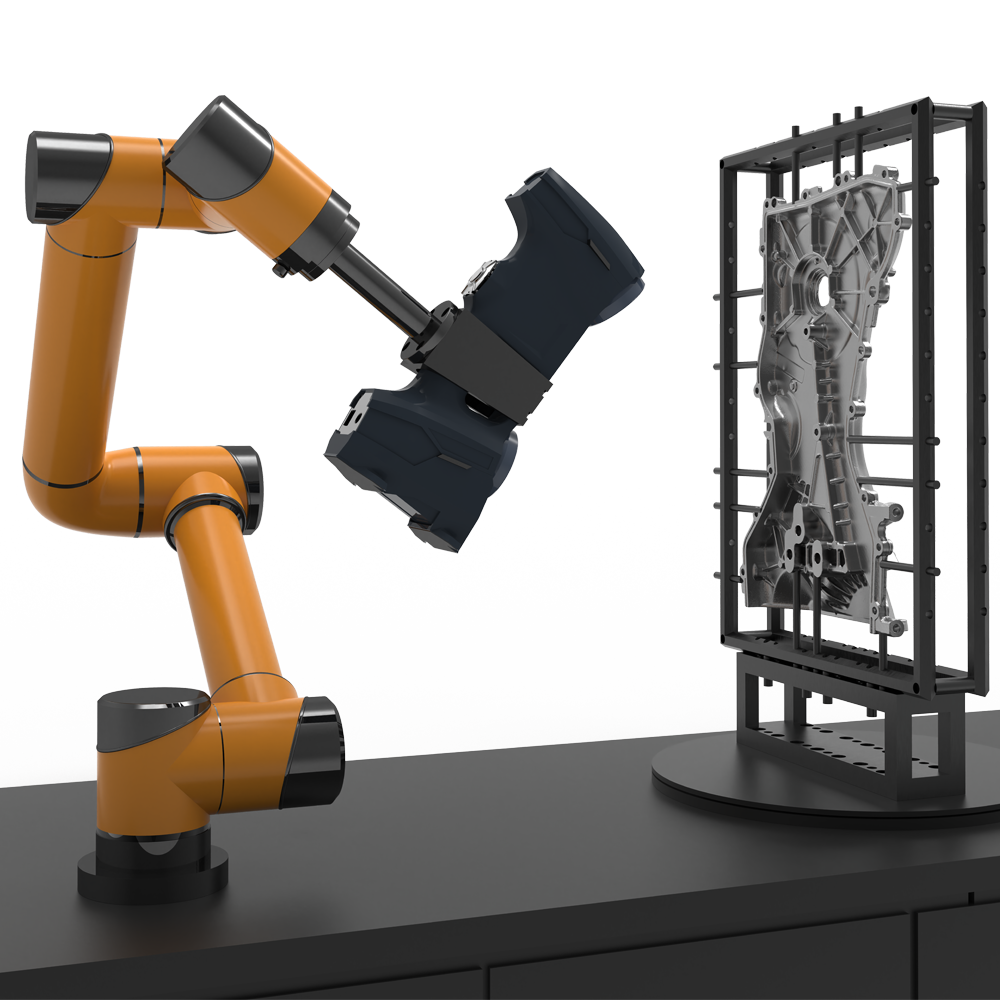
The casting surface features numerous intricate details, such as complex grooves and precision-engineered holes. Traditional measurement tools require manual, point-by-point operation, resulting in extremely low efficiency and excessive data acquisition times that fail to meet the demands of rapid reverse modeling. Manual measurements are susceptible to operator technique, leading to inadequate control over dimensional accuracy and potential data discrepancies; this prevents the faithful reproduction of fine surface structures and deprives the reverse modeling process of a precise data foundation. Furthermore, contact-based measurement risks scratching the casting surface and damaging detailed features, thereby compromising data integrity and accuracy, which severely constrains the quality and efficiency of reverse modeling.
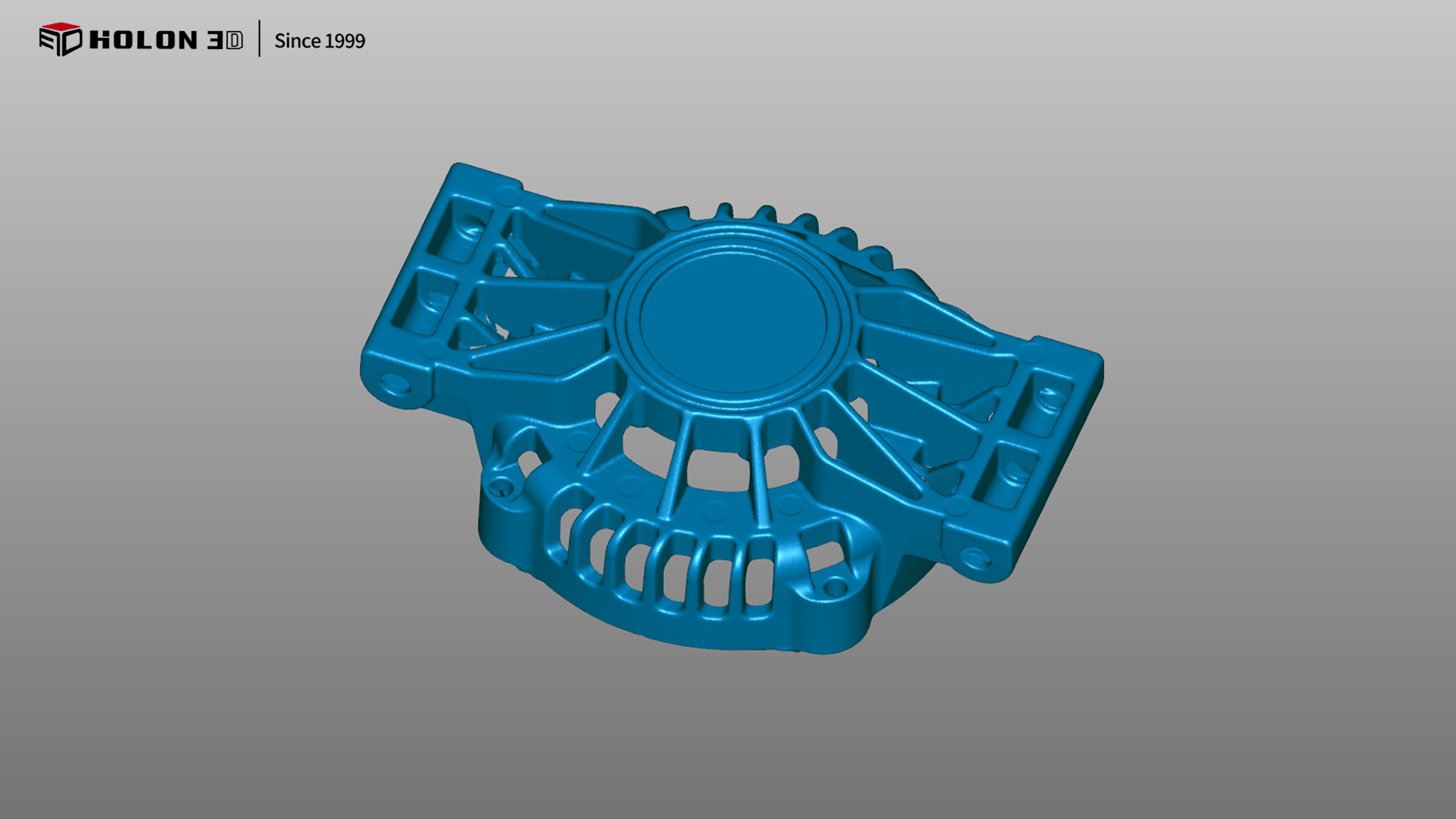
Scan data plot
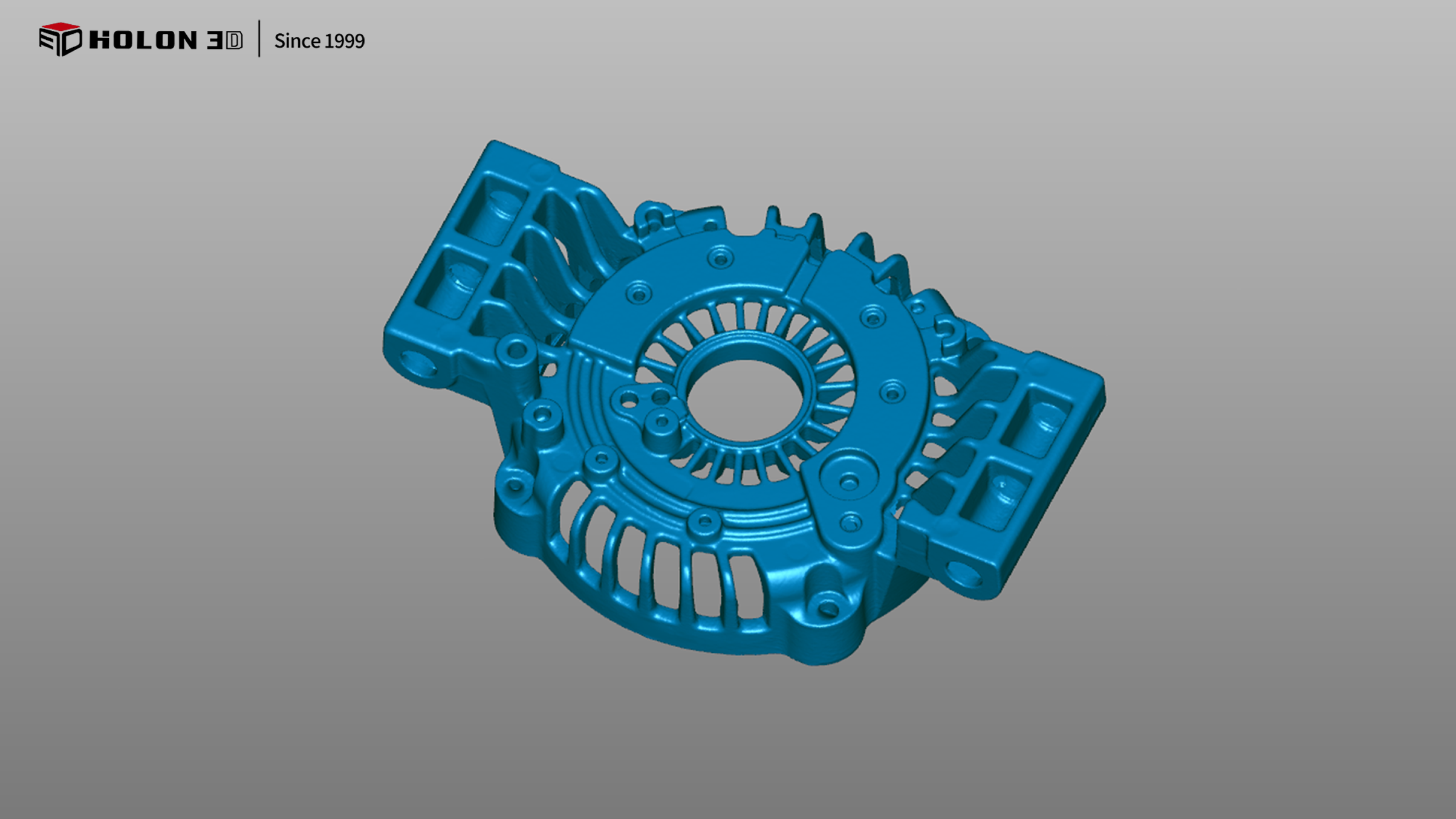
Scan data plot
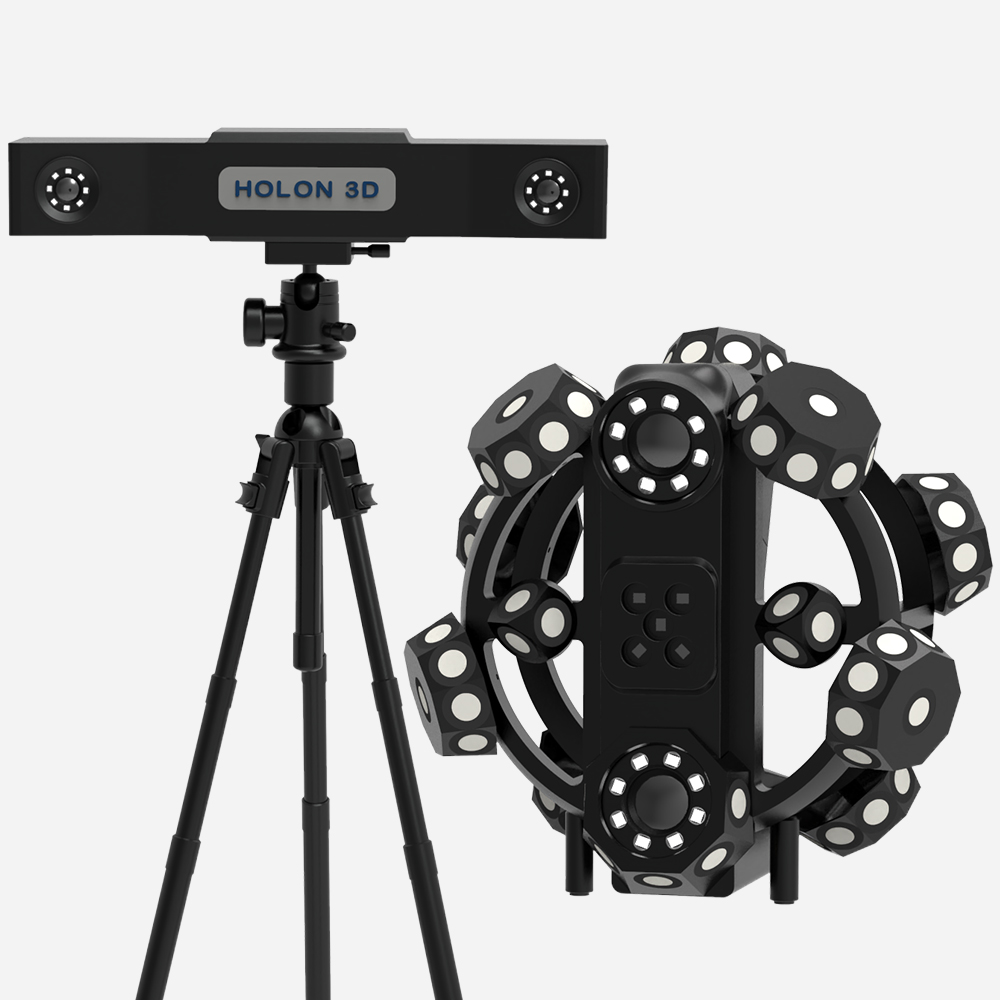
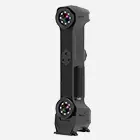
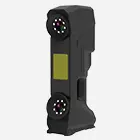
The HOLON 3D Model 49 metrology-grade handheld 3D scanner is employed to achieve efficient and precise data acquisition tailored to the detailed features and measurement requirements of castings. Featuring high precision (0.02 mm accuracy), the scanner clearly captures intricate details—such as fine surface textures, complex grooves, and precision-engineered holes—ensuring an accurate digital reconstruction of the workpiece's geometry. Its high-speed scanning capability (4.2 million points per second) drastically reduces data acquisition time, enabling rapid capture of the entire surface profile to meet stringent efficiency demands. The non-contact scanning method avoids physical contact with the casting surface, effectively preserving delicate features from damage. Furthermore, the handheld design offers flexibility and ease of use, allowing for comprehensive coverage of complex areas without leaving any data blind spots. The resulting 3D data is complete and precise, fully meeting the requirements for reverse engineering and providing a reliable, efficient digital foundation for product design optimization and iterative development.
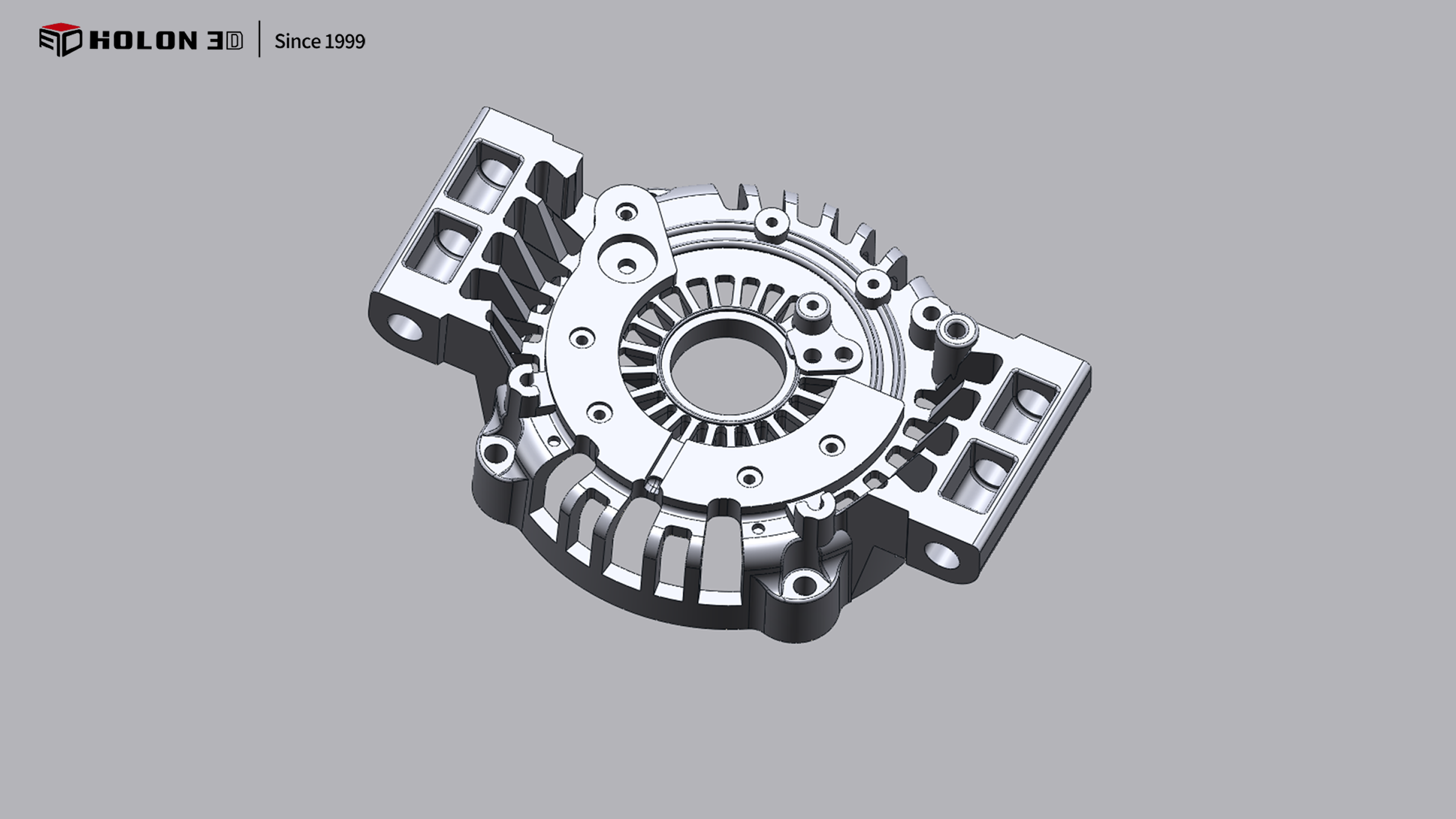
Reverse modeling data diagram
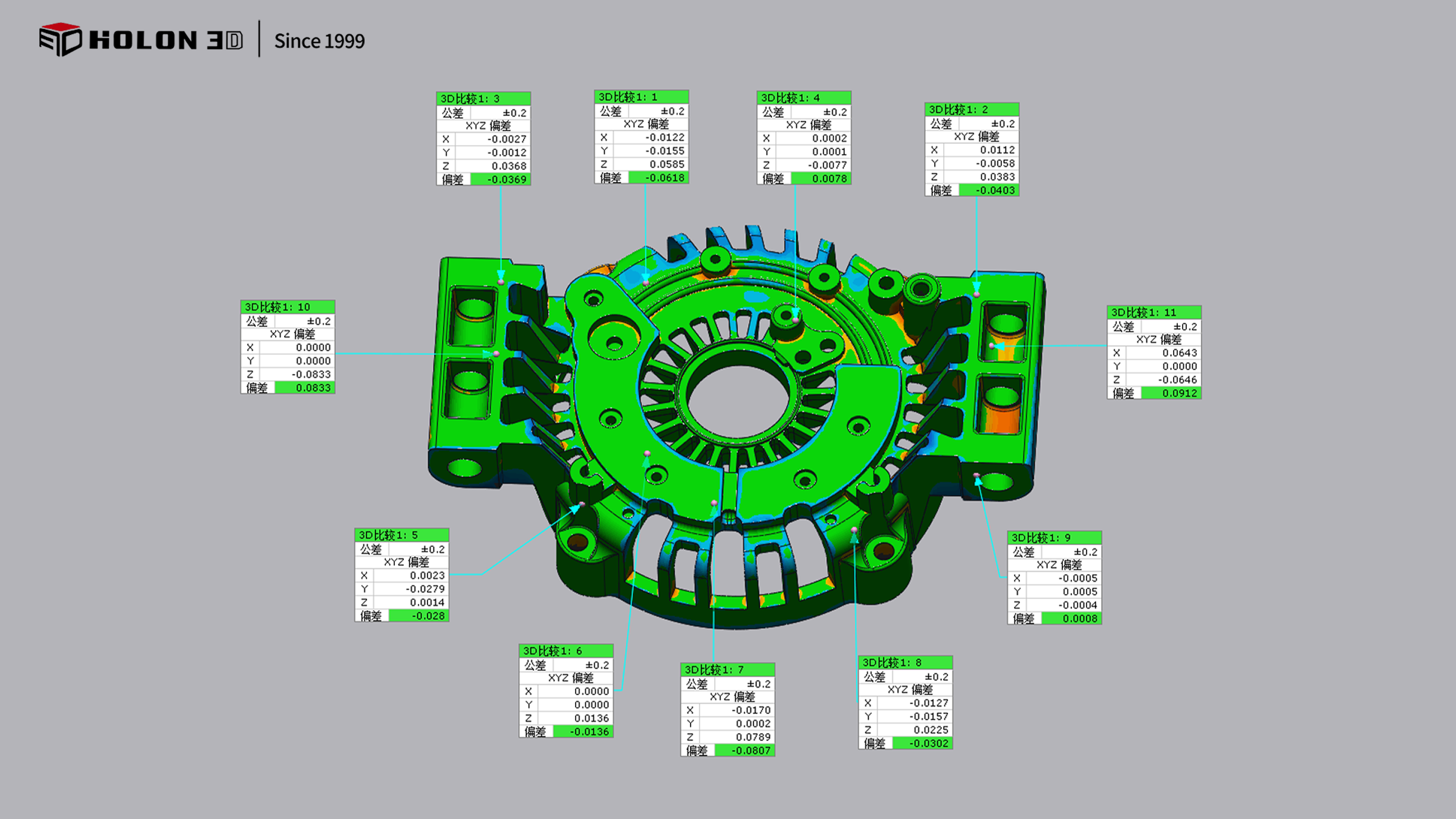
Data comparison chart
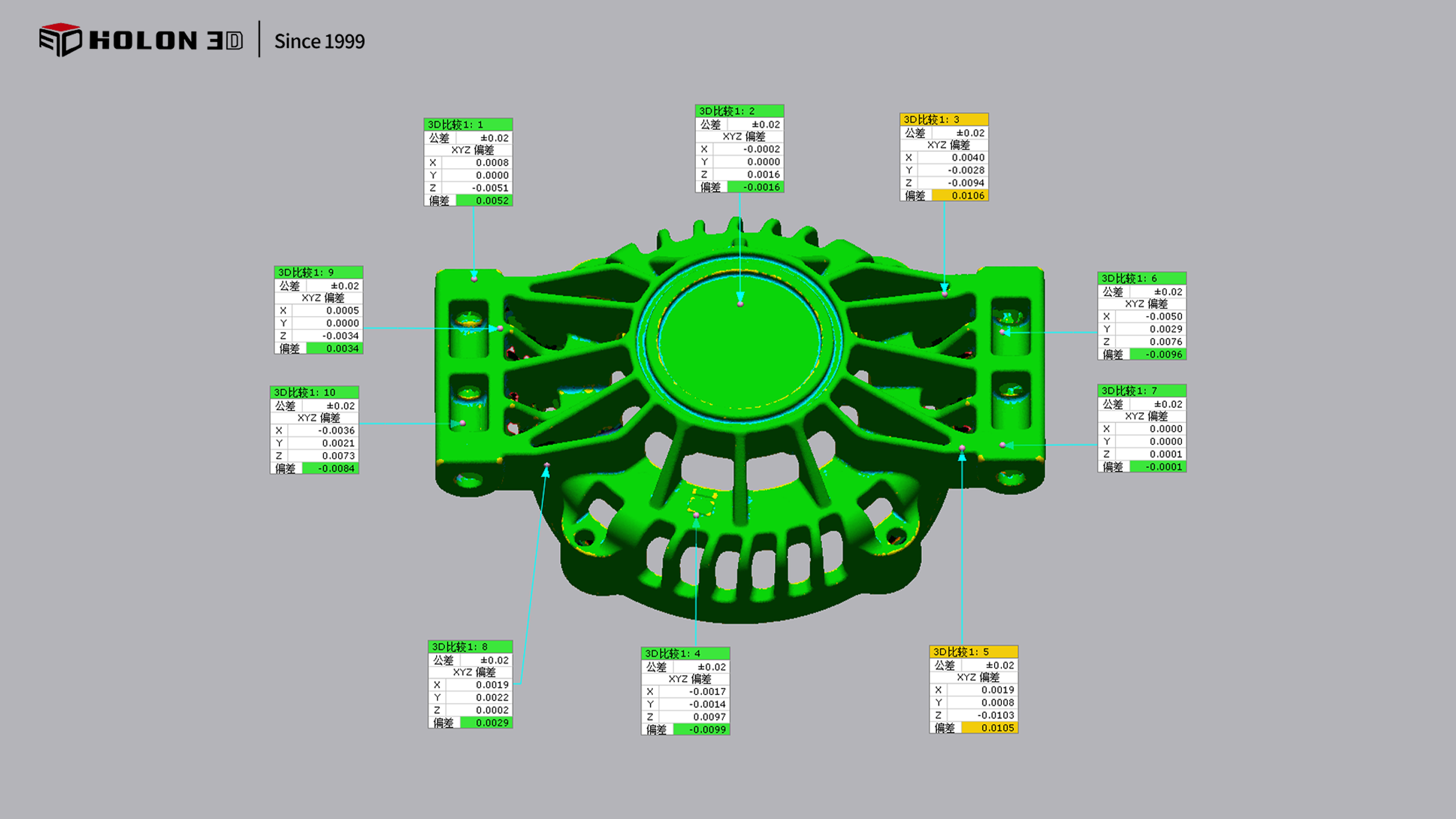
Data comparison chart