







- A +
- A
- A -
Sand castings are components produced via the sand casting process; their primary function is to define the casting's external shape and internal cavities while ensuring dimensional accuracy and high surface quality. The design and manufacturing quality of the mold cavity directly impact the quality and precision of the casting, as well as production efficiency and costs. Engineers at Hualang 3D utilize scanning technology to provide solutions for the inspection of sand castings.

Photo of the actual product
1. Data obtained using traditional methods fails to meet accuracy requirements, resulting in significant discrepancies between the measured results and actual conditions.
2. Due to the complex structure and large surface area of sand molds, traditional manual visual inspection methods are prone to errors—such as false positives and missed defects—and suffer from low efficiency.
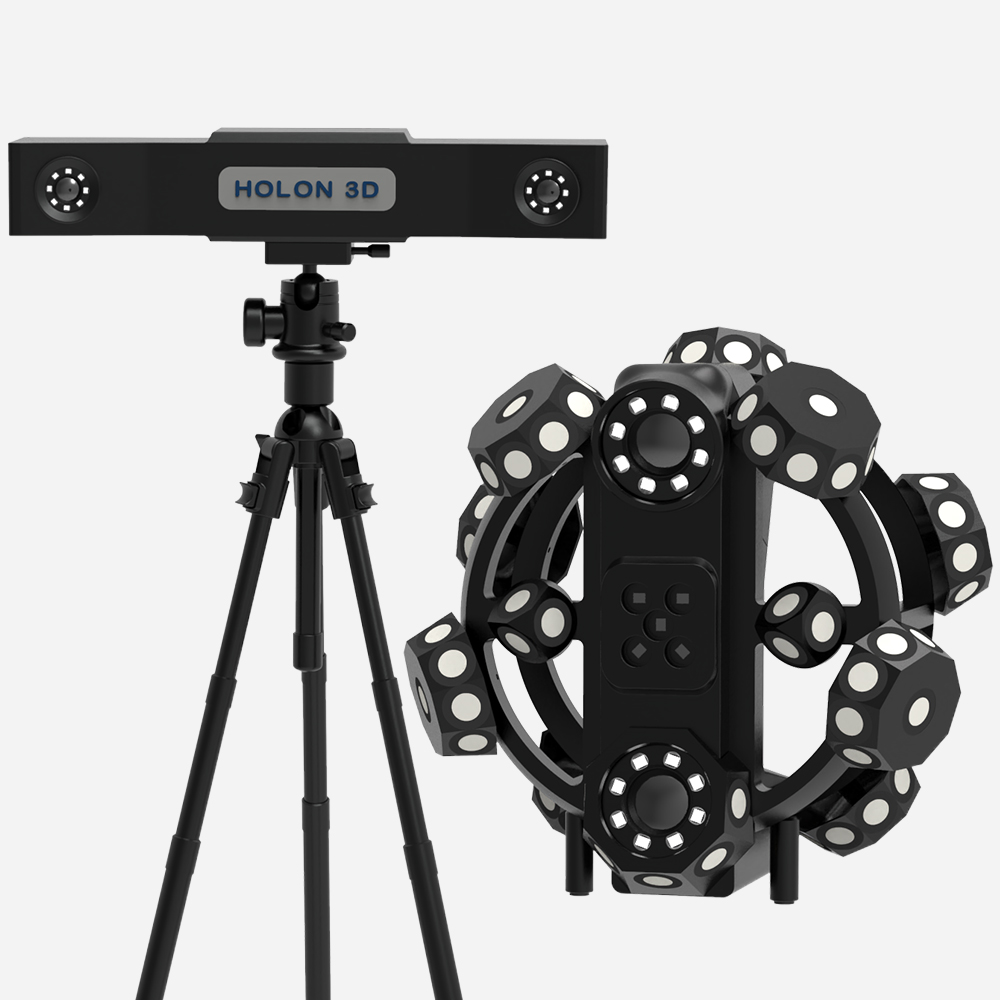
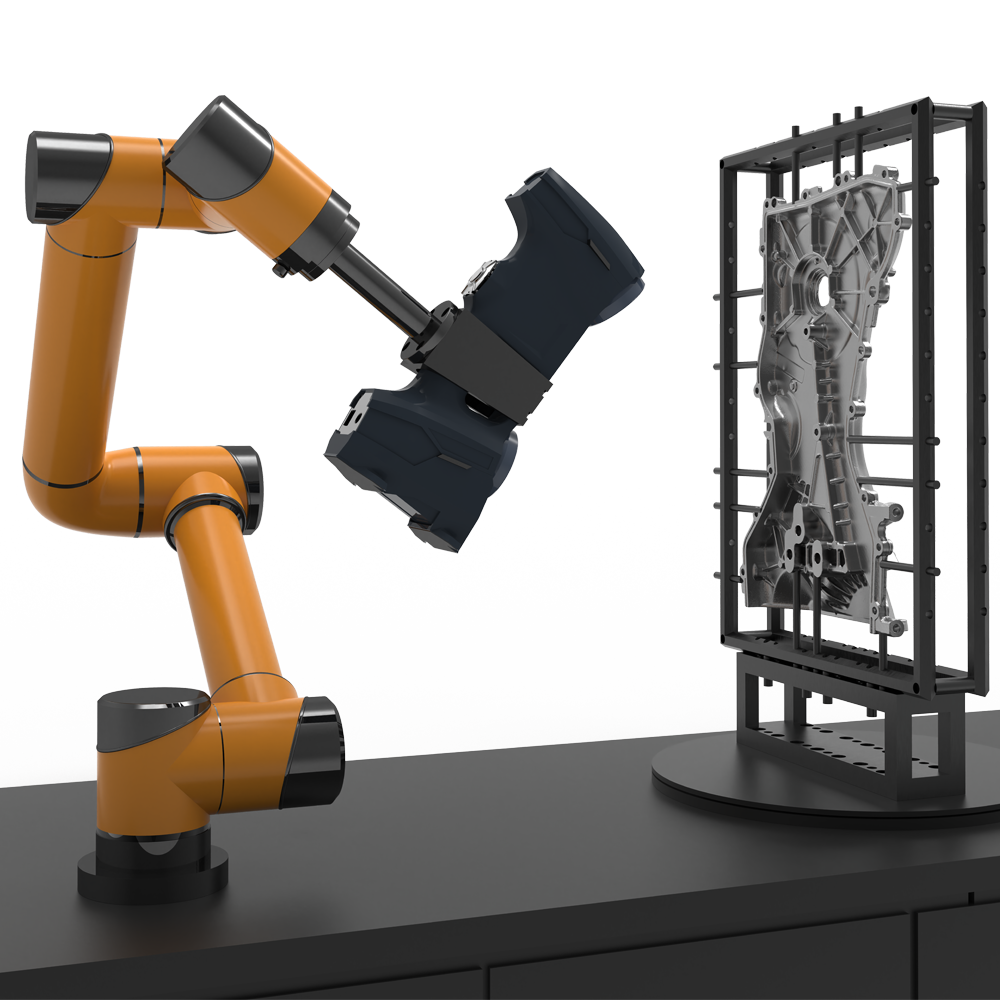
HOLON 3D engineers provide a solution utilizing the B71 handheld 3D scanner, which offers an accuracy of up to 0.02mm. This enables the comprehensive and rapid acquisition of 3D data from sand-cast parts, capturing critical information such as dimensions, shape, and surface quality. Its high-precision measurement capabilities ensure accurate inspection results, thereby eliminating errors caused by human factors or insufficient instrument precision. While traditional inspection methods often struggle to accurately measure sand-cast parts with complex geometries, 3D scanning technology allows for the rapid capture of complete 3D data, including intricate features like internal cavities and curved surfaces. Furthermore, the technology supports virtual assembly within inspection software—simulating actual assembly conditions—to establish a data foundation for subsequent inspections.

On-site scan image

STL Data Diagram

STL Data Diagram