









- A +
- A
- A -
As the core aerodynamic component of a fan, the blade's surface precision and dynamic balance directly determine the equipment's energy efficiency and service life. A company commissioned us to conduct 3D quality inspection, aiming to optimize blade performance through digital technology and thereby enhance the product's market competitiveness and user satisfaction.

Traditional manual inspection struggles to cover complex curved surfaces; a tolerance deviation of ±0.02 mm disrupts airflow, causing power consumption to surge by 20%. Vibrations resulting from dynamic imbalance accelerate component wear, shortening service life by 40%; meanwhile, redundant design increases weight by 25% and raises material costs without improving aerodynamic efficiency.
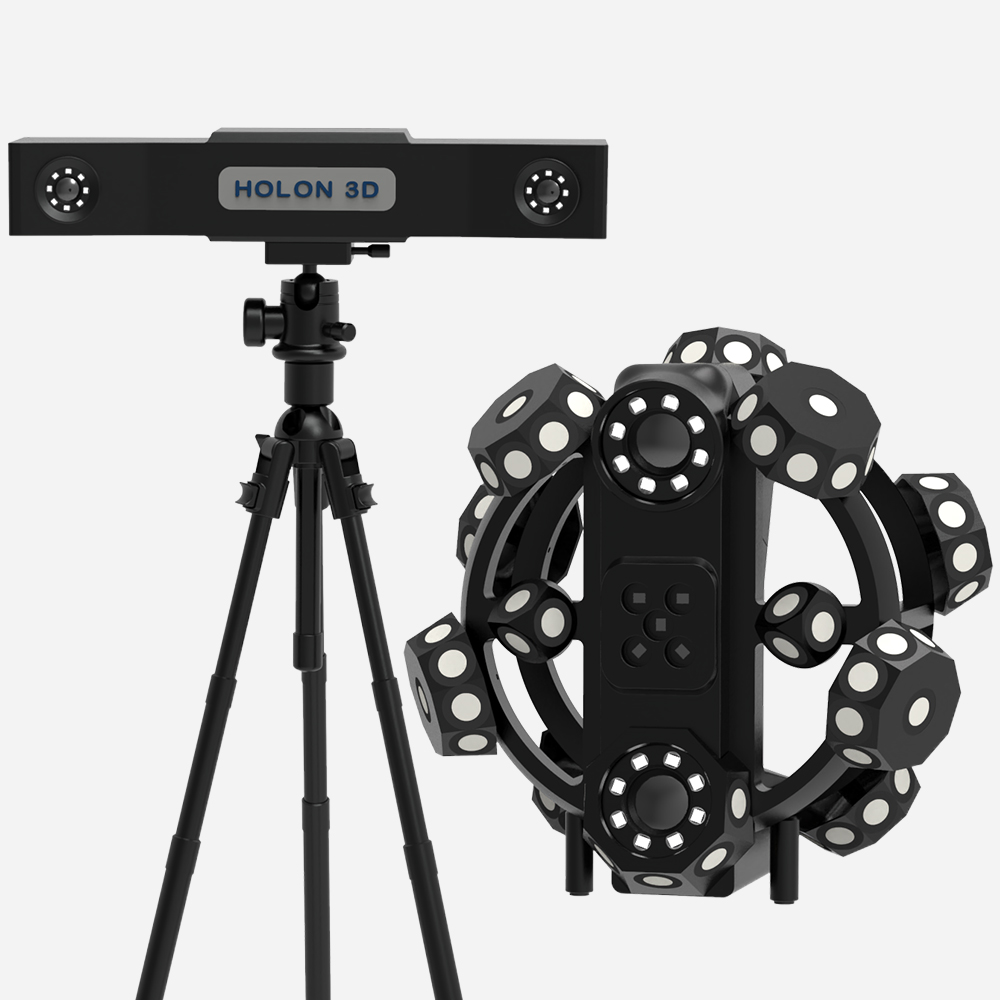
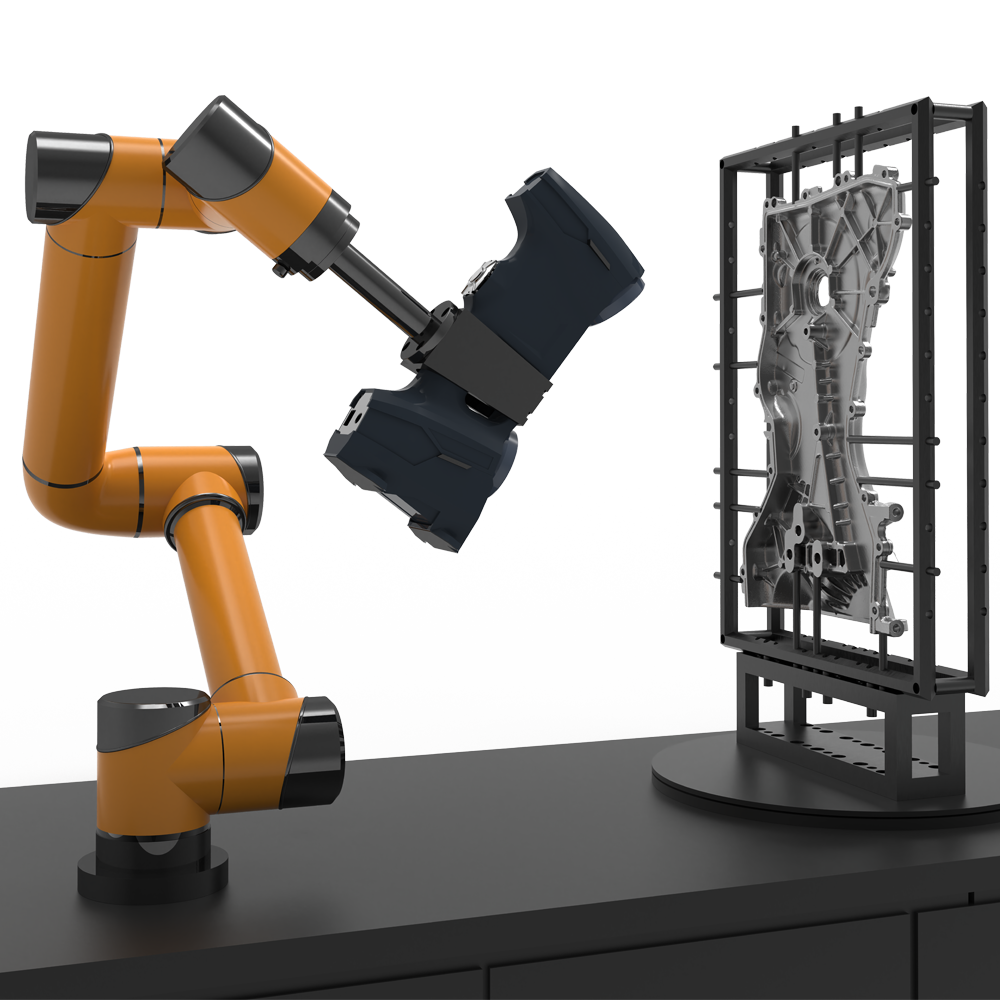
HOLON 3D utilizes the high-precision Model 49 3D scanner to generate a full-scale model of the blade with 0.02mm accuracy within three minutes, precisely capturing complex aerodynamic surfaces—including curvature and twist—as well as micron-level defects. By generating mass distribution maps from the scan data and performing comparative analysis via software, the system enables dynamic balancing that doubles the equipment's service life. This solution helps customers reduce energy consumption and vibration through the intelligent optimization of aerodynamic layout and material distribution, simultaneously achieving weight reduction and efficiency gains to overcome performance and cost bottlenecks.
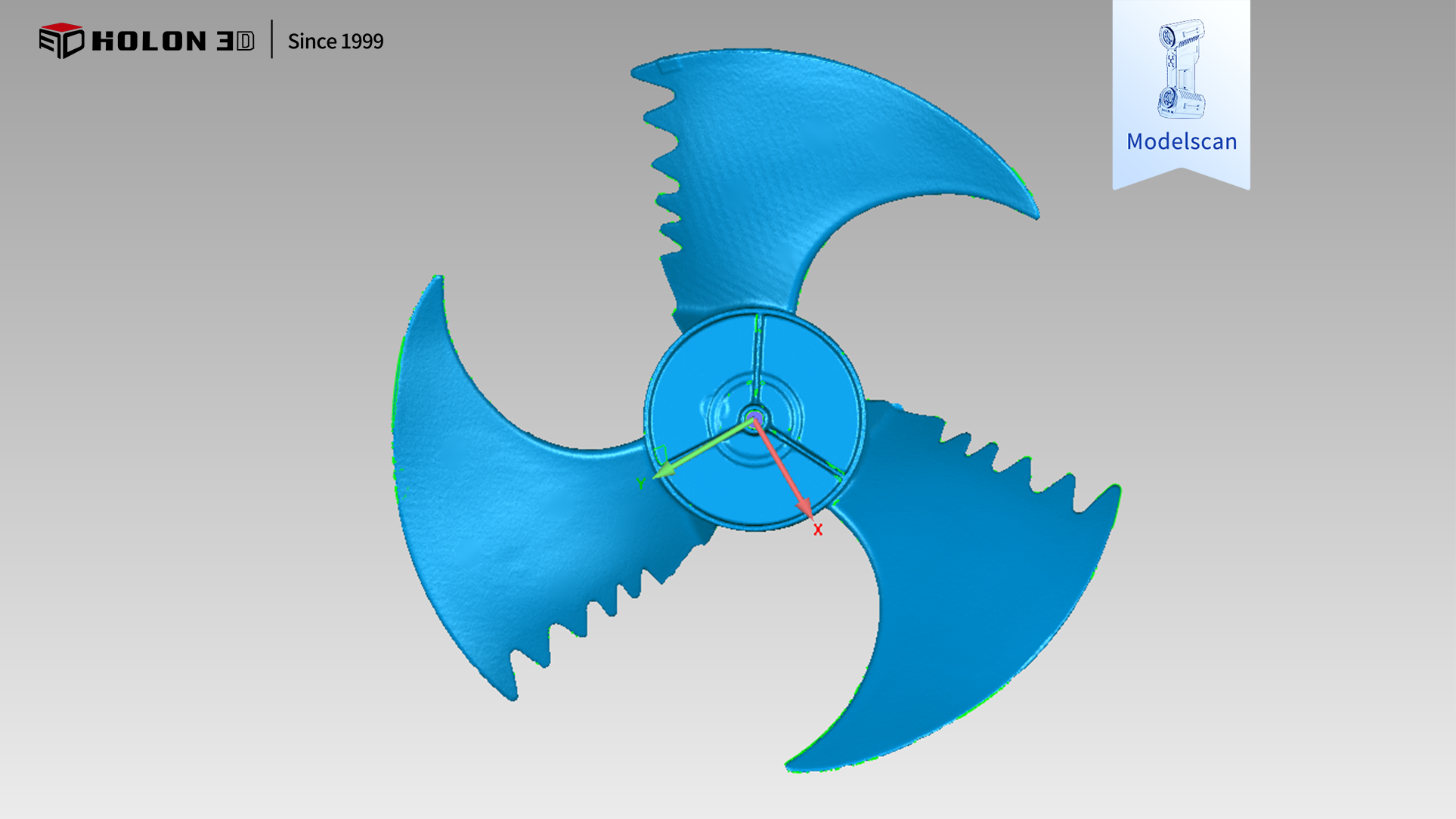 STL Data Diagram
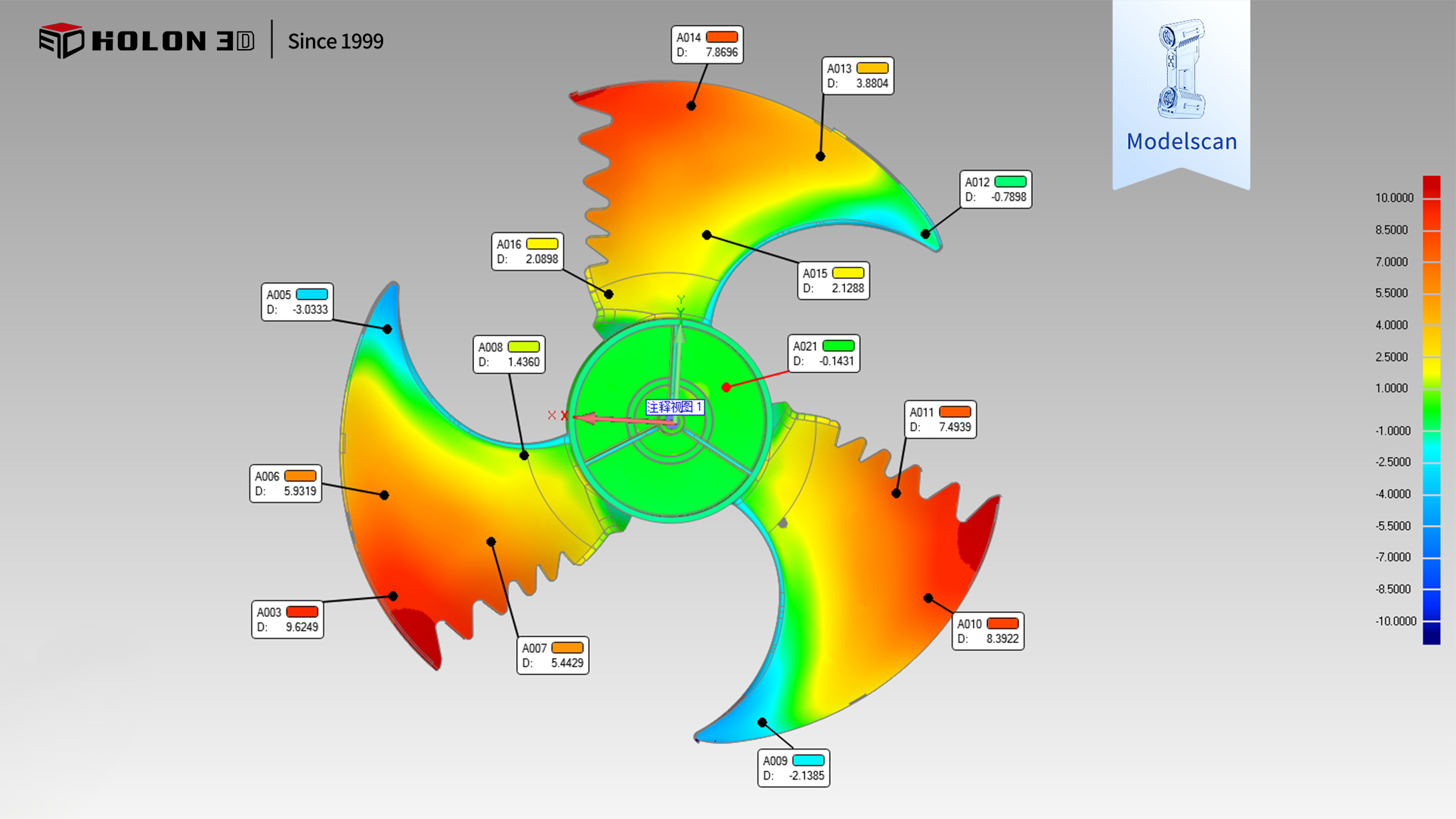
Comparative data chart
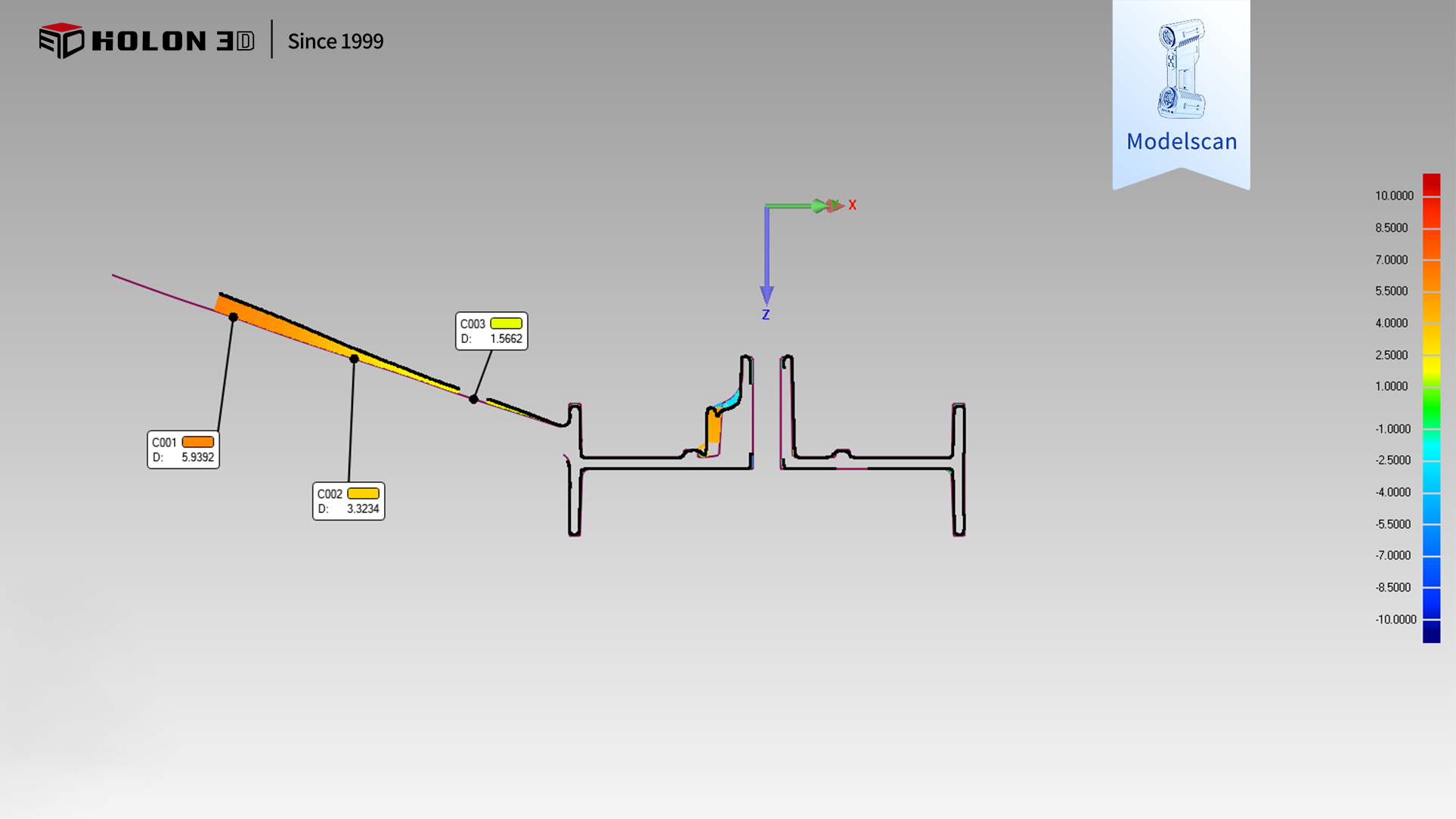
Sectional view