










- A +
- A
- A -
As one of the most popular means of transportation at present, electric vehicles feature convenience, compact size, energy‑saving performance and low‑carbon emissions. An electric‑vehicle manufacturer intends to carry out reverse design on the frames of its electric vehicles to accelerate the development of new products.

Physical photos of electric vehicle frame
Designed with lightweight and eco‑friendly concepts, the electric vehicle frame is an alloy tubular structure featuring large curvatures. Traditional measurement methods make it difficult to quickly and accurately acquire 3D model data of the electric vehicle frame.
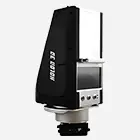
In response to the client's requirements, Holon's 3D engineers proposed a solution that adopts: HL‑3DS 3D Scanner (to rapidly acquire high‑precision 3D data of the electric vehicle frame) + reverse‑engineering software (to convert engine point‑cloud data into triangular mesh surface data) + design software.
1. Preparatory Work
Spray developing agent: improve the background contrast on the surface of the sample part to obtain better scanning data.
Paste marker points: enable the acquired data to be positioned and aligned within the scanning software.
2. 3D Scanning
Use the HL‑3DS 3D Scanner to perform 3D scanning on the electric vehicle frame. Next, import the data into 3D reverse‑engineering software for processing, and then feed the processed data into the design software to conduct reverse design for the electric vehicle frame, so as to accelerate the development of new products.

STL data drawing of electric vehicle frame