





- A +
- A
- A -
Car door interior panels are a major part of a vehicle's interior. They have complex curved shapes, lots of grille openings, and closely spaced clip mounting points, which means the surface appearance, assembly holes, and fit tolerances need to be very precise. The customer used the Hualang All-Blue handheld 3D laser scanner to capture data of the entire panel surface, which is used for full-size comparison checks, reverse engineering, mold modification, and new product development.
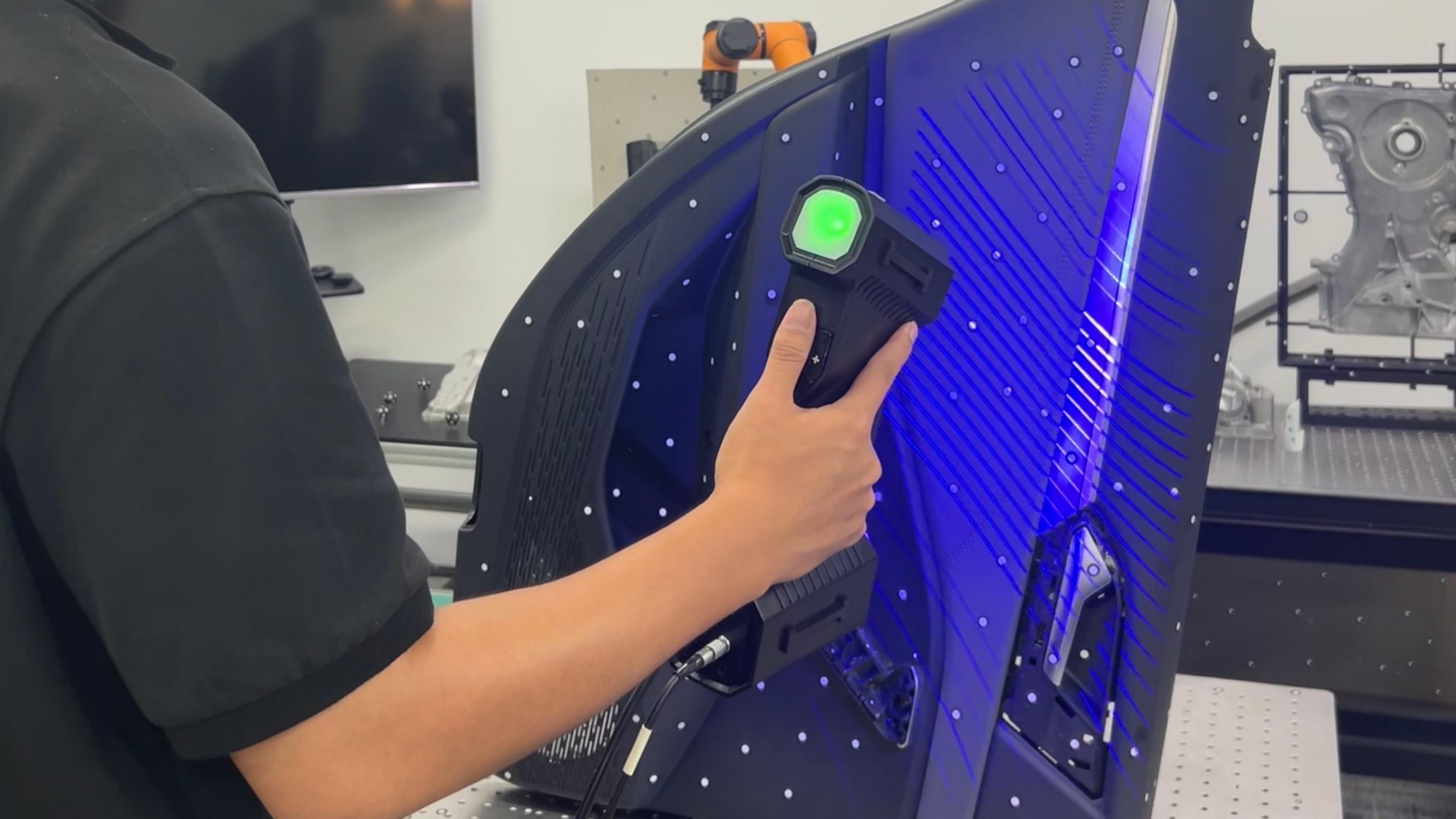
The interior trim panels have curved surfaces and complex hollow grille structures. Calipers and CMMs can only take a few points, and lots of surfaces, ribs, and snap grooves are blind spots for inspection, making it hard to grasp overall deformation. Plastic parts are dark and absorb light, and some glossy areas reflect, so regular scanning equipment often misses data. Traditional methods need developer spray, which is time-consuming. After trial molding, you can't directly see rebound or warping on interior parts, making it tough to pinpoint where to modify the mold. For competitor teardown or redesign projects, there's no complete 3D data, so reverse modeling takes a long time.
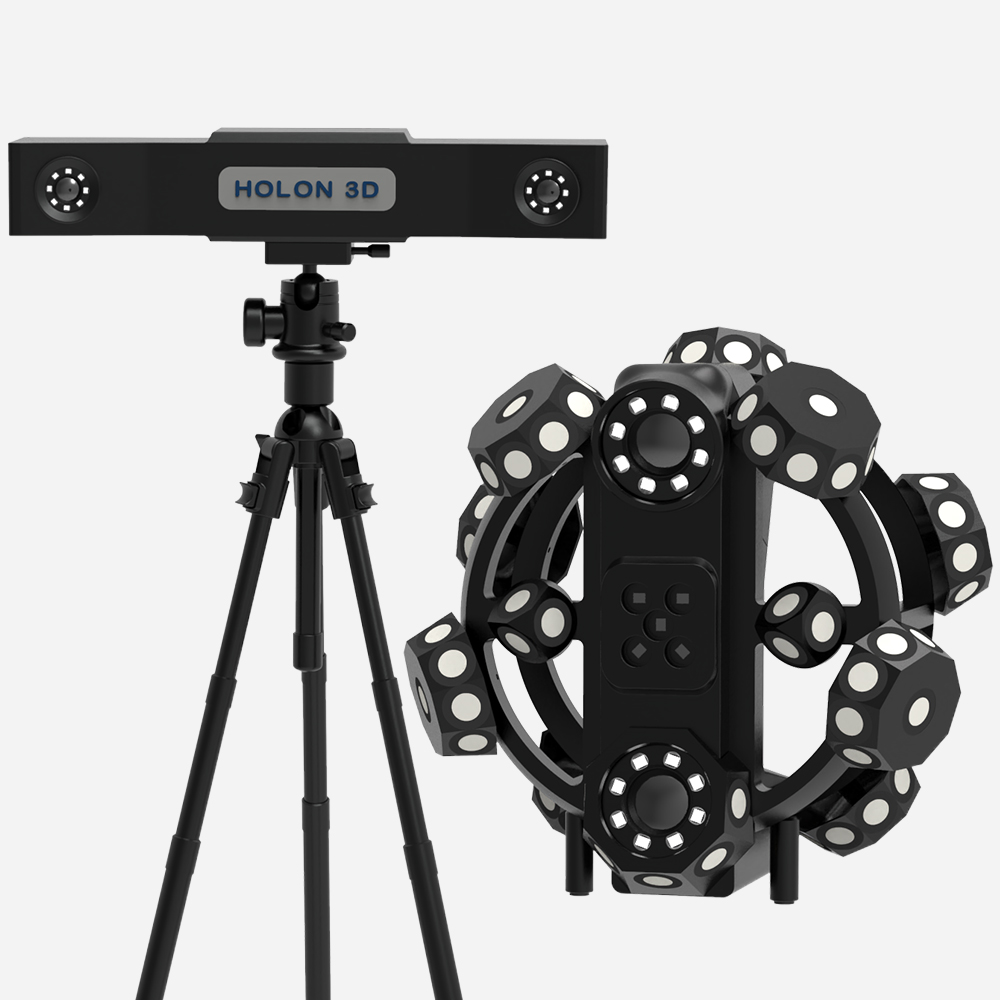
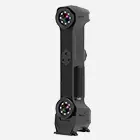
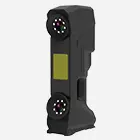
Using the HOLON 3D scanner with 49 beams of blue laser and dual industrial cameras, it achieves 0.02mm metrology-level accuracy and works well with dark plastic interior parts, often without needing powder spray. The handheld scanner allows flexible all-around scanning, fully capturing point clouds of curved surfaces, hollow grilles, clip bases, mounting holes, and flange ribs, automatically stitching them into complete STL data. The data can be imported into inspection software and aligned with the original CAD model, producing color deviation maps to quantify errors. It also supports reverse engineering, mold spring-back compensation, assembly gap analysis, and competitive benchmarking.
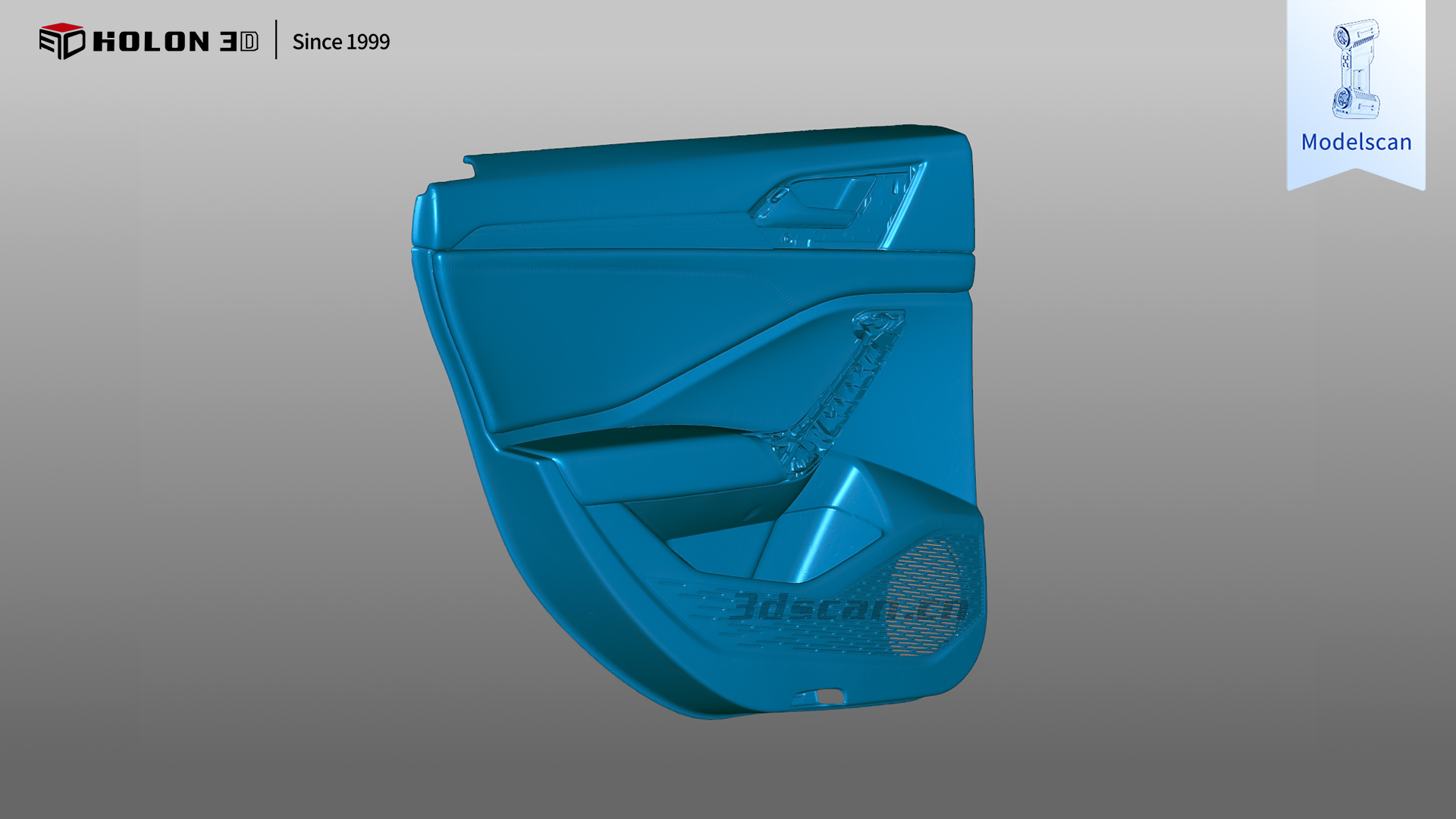
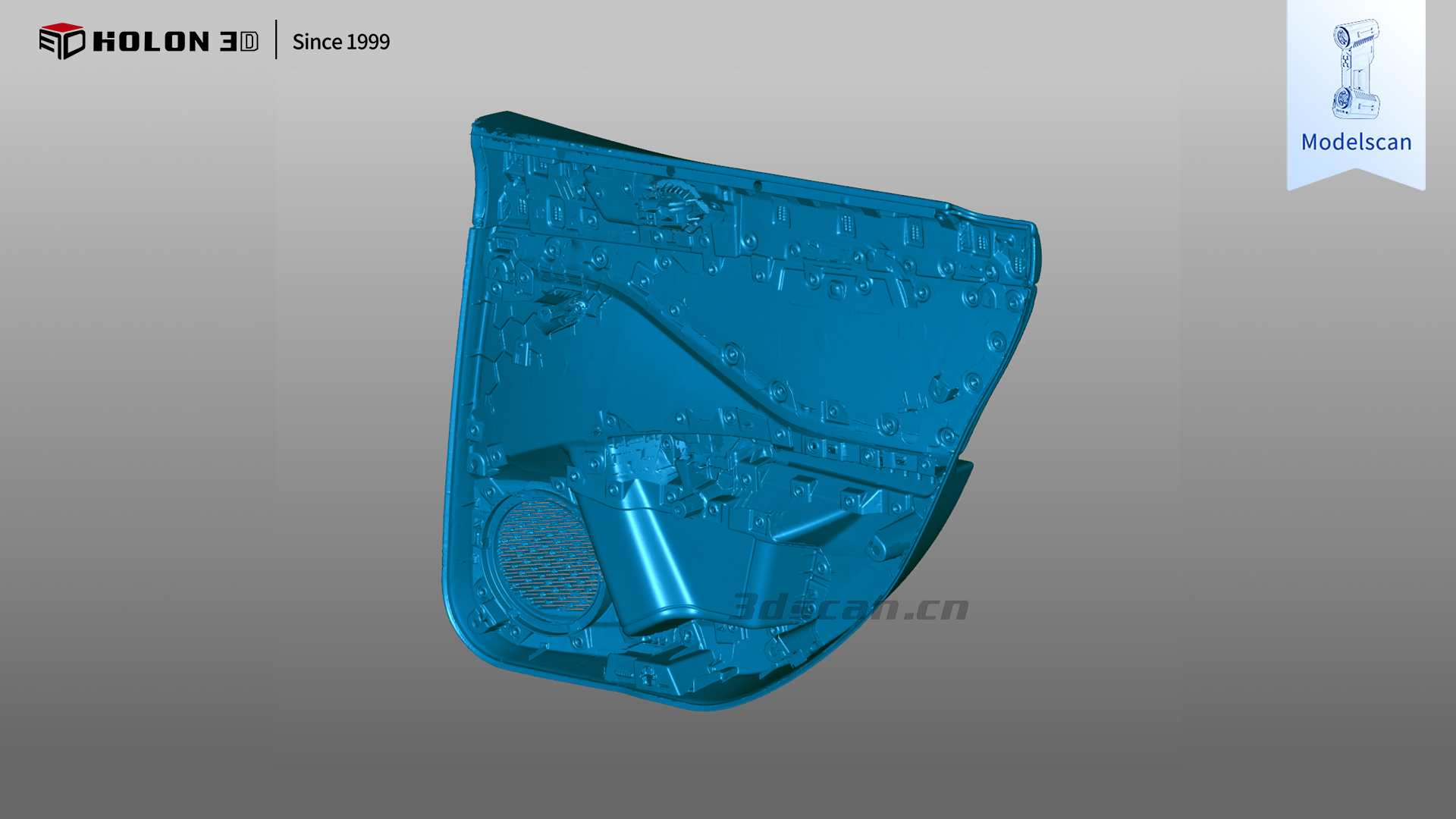
3D scan data