






- A +
- A
- A -
The fabrication of dentures typically involves multiple steps—ranging from creating and measuring dental impressions to the actual manufacturing and, finally, trial fittings. The accuracy of the impression measurement is the most critical step; errors or insufficient precision at this stage can result in dentures that either cannot be worn or cause significant discomfort for the patient. Furthermore, this manufacturing process is inefficient and time-consuming.
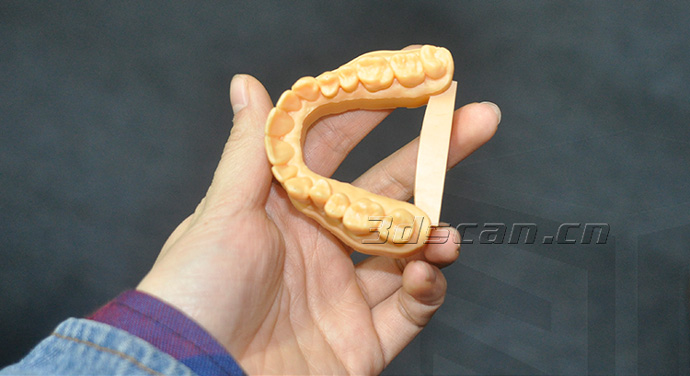 Dental model
1. High-precision 3D data regarding the patient's edentulous areas, abutment teeth, and denture base regions must be obtained to fabricate a denture that fits the gingiva optimally.
2. Traditional denture fabrication methods often fail to capture sufficient 3D data, resulting in dentures that are unwearable or cause significant discomfort to the patient. Furthermore, these manufacturing processes are inefficient and time-consuming.
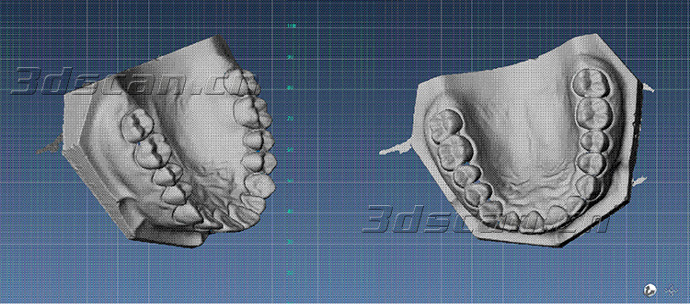
3D scanning of dental models
1. Preliminary Preparation
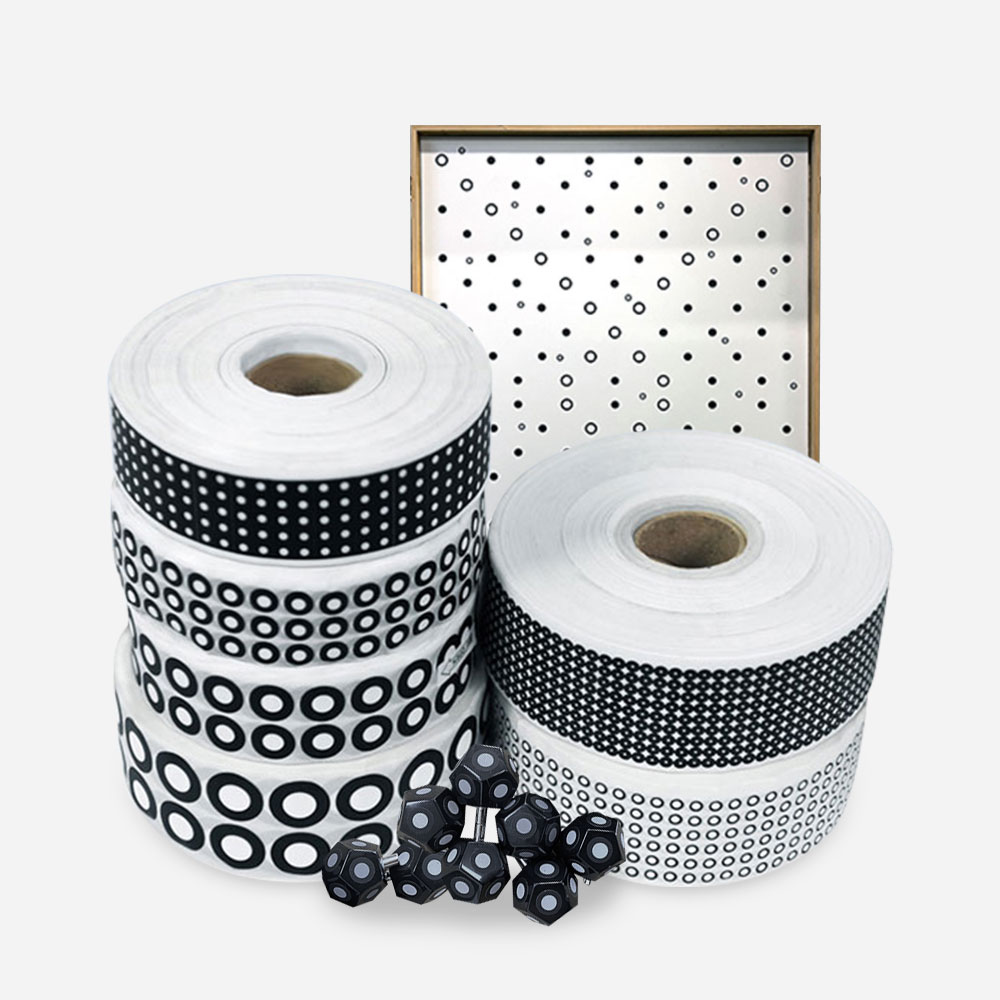
Applying developer spray and affixing reference markers.
2. 3D Scanning
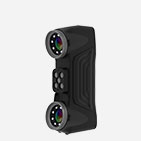
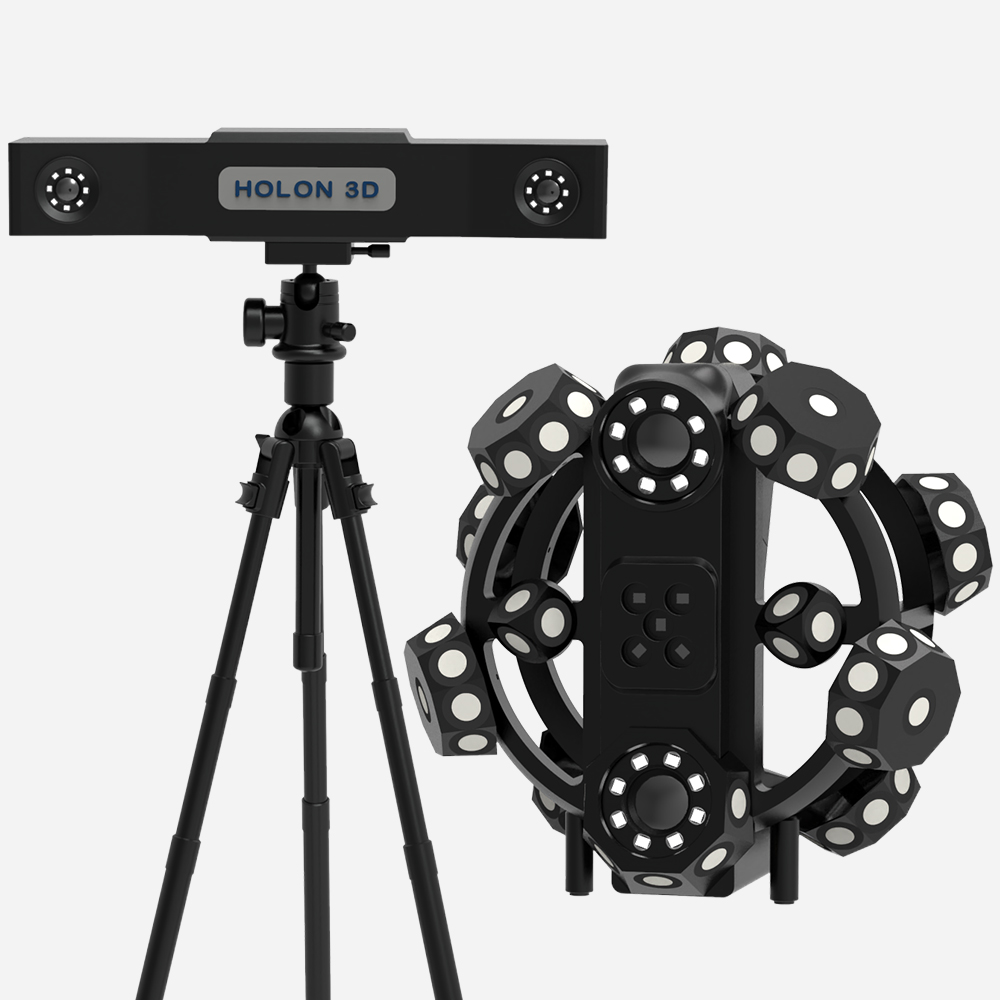
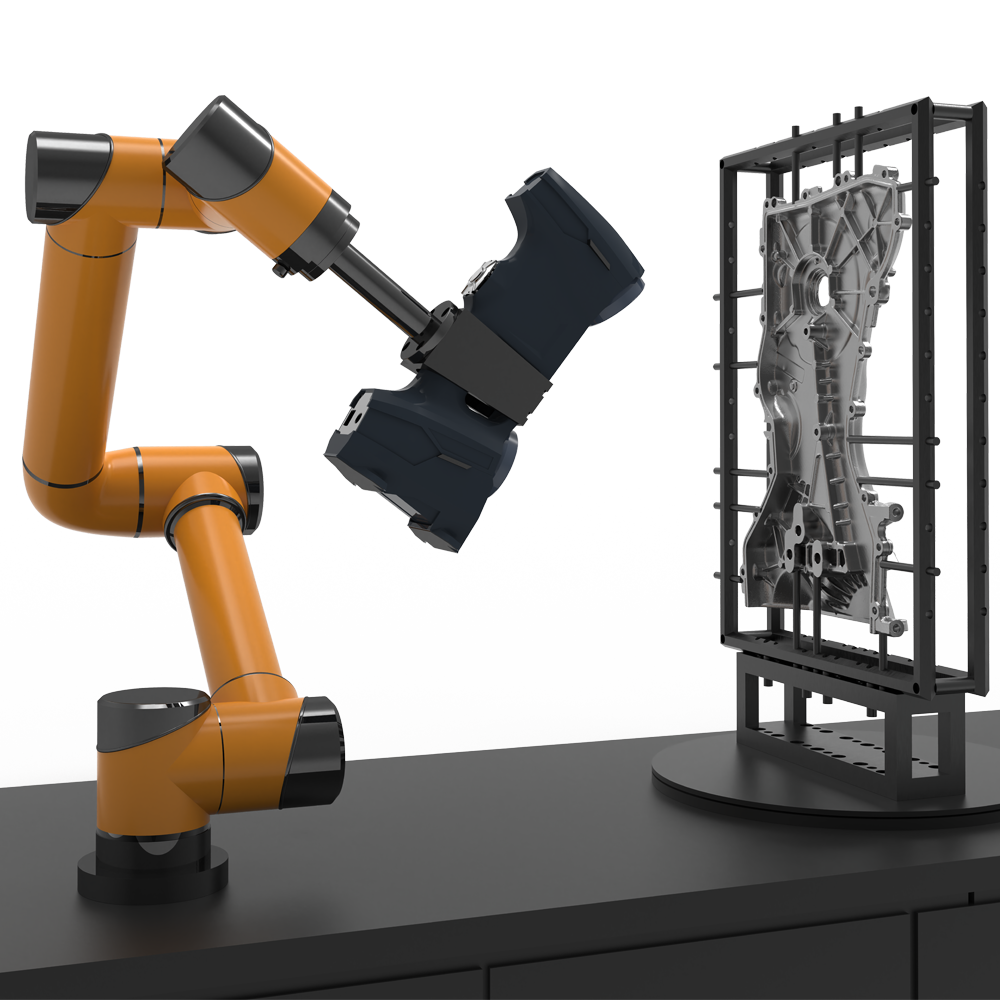
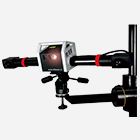
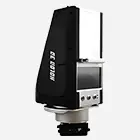
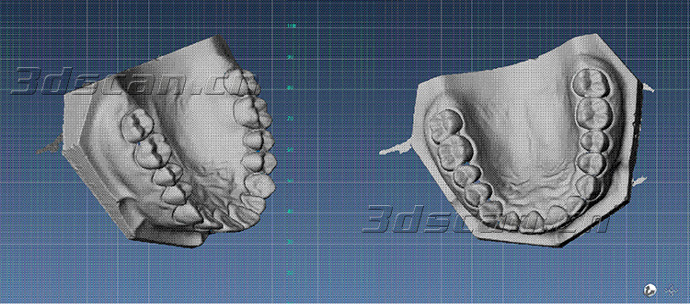
The HOLON HL-3DM 3D scanner captures 3D data of the dental model. Reverse engineering software is then used to perform necessary repairs and adjustments to the data. Subsequently, the processed model data is fed into CNC machining or rapid prototyping equipment to fabricate the denture.
Finally, the dentist or technician makes fine adjustments to the denture based on the patient's specific needs, making it ready for use. This process not only shortens the treatment cycle—facilitating a faster recovery for the patient—but also enhances manufacturing precision, resulting in optimal aesthetic outcomes and the most comfortable interface with soft tissues.
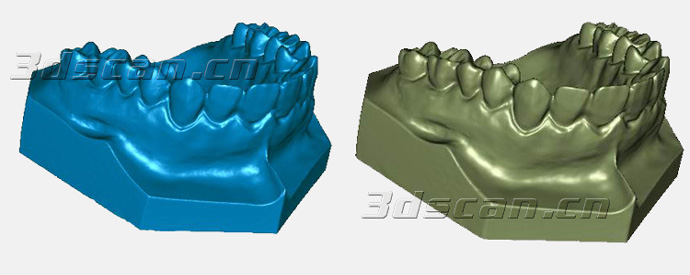
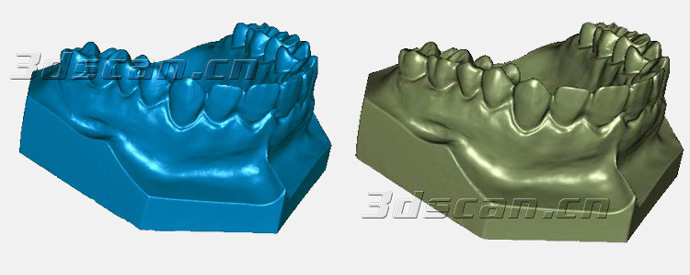
STL scan data of a dental model
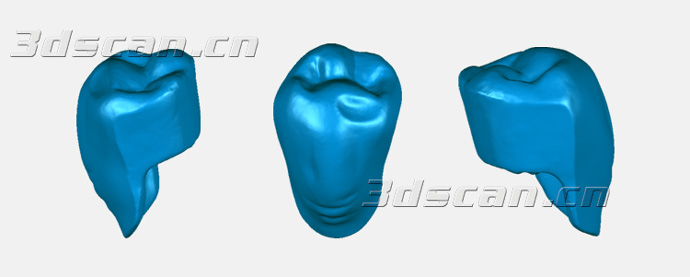
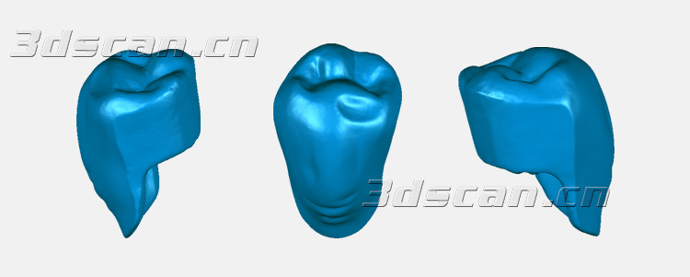
STL scan data of a dental model