





- A +
- A
- A -
The original design drawings for the mold were lost, and the cavity surface exhibited wear, rendering it unsuitable for direct use in the next round of production modifications. To recover the mold's design data and correct for wear-induced deviations, the client commissioned Hualang 3D to perform non-contact 3D scanning and reverse modeling. The objective was to rapidly reconstruct a high-precision 3D digital model (in STP format) to facilitate subsequent CNC machining of the mold and iterative product development.
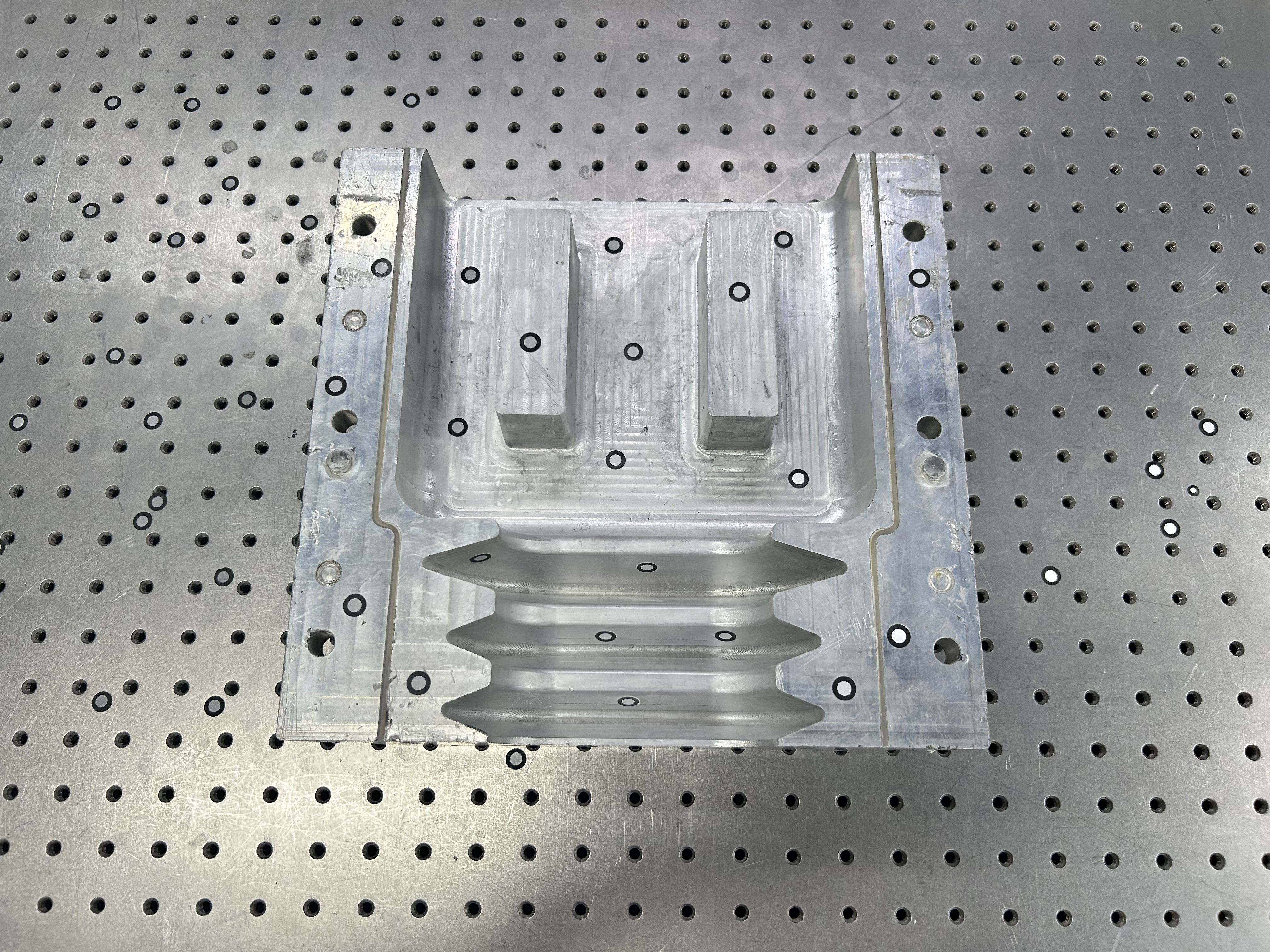
Photograph of the actual mold
The mold cavity features numerous free-form surfaces with continuous curvature variations and intricate chamfered structures. Traditional methods—such as using calipers or Coordinate Measuring Machines (CMMs)—are not only highly inefficient but also fail to fully capture surface continuity characteristics; the resulting sparse point cloud data is inadequate for high-quality reverse engineering. Conventional measurement and mapping of such a mold often takes weeks, failing to meet urgent customer demands for design modifications; consequently, there is an urgent need for a rapid, high-precision, non-contact measurement solution.
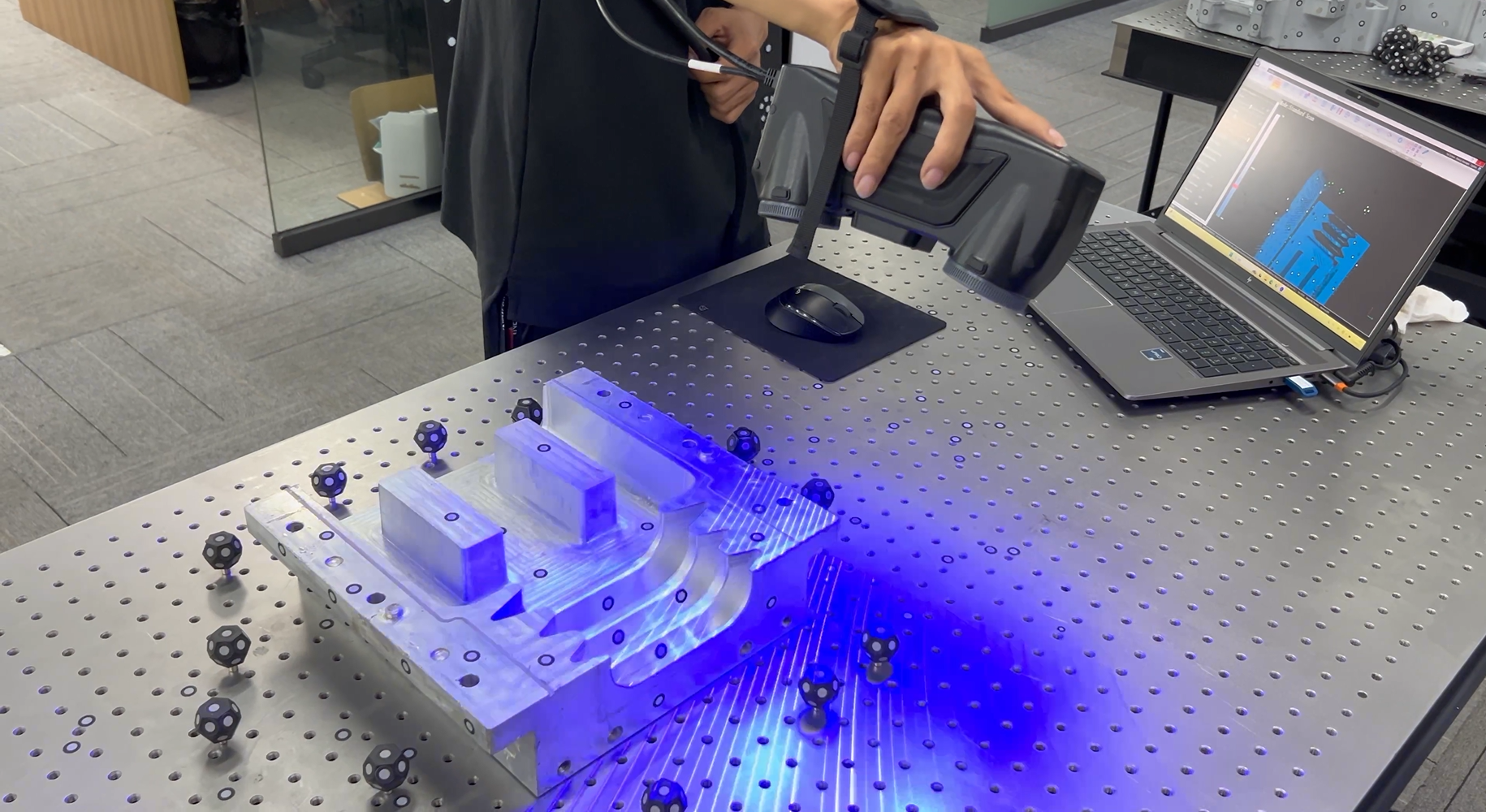 On-site scan image
Leveraging the specific characteristics of the mold, the HOLON 3D technical team employed a handheld 3D scanner to capture clean surface data from the mold core, cavity, and parting lines using the "precision mode." Subsequently, they utilized the "deep-hole mode"—featuring a unique single blue laser line—to accurately acquire complete data on complex features such as deep holes and undercuts. With a scanning speed of 4.2 million points per second, the team completed the full-scale data acquisition on-site in just 10 minutes, generating high-density point cloud data.
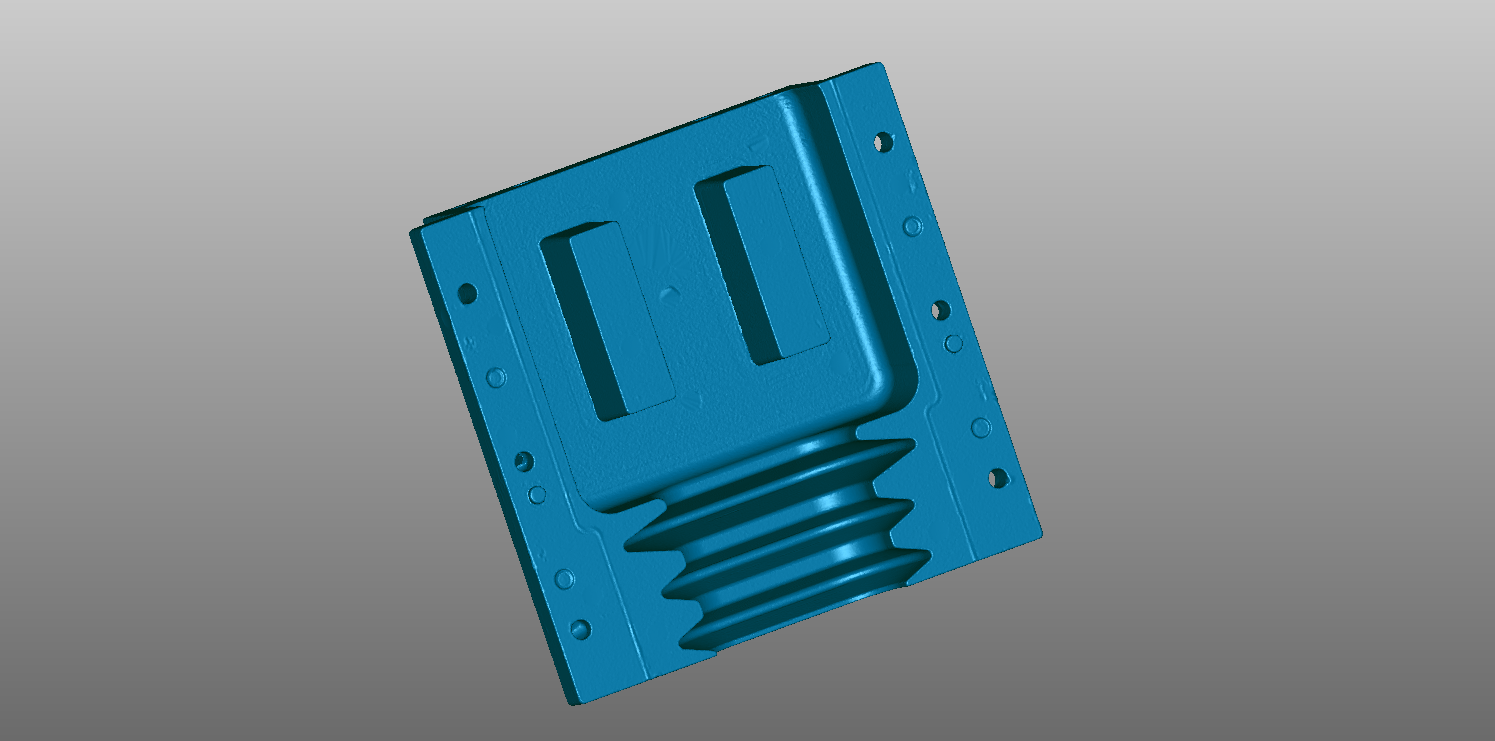
Scan Data
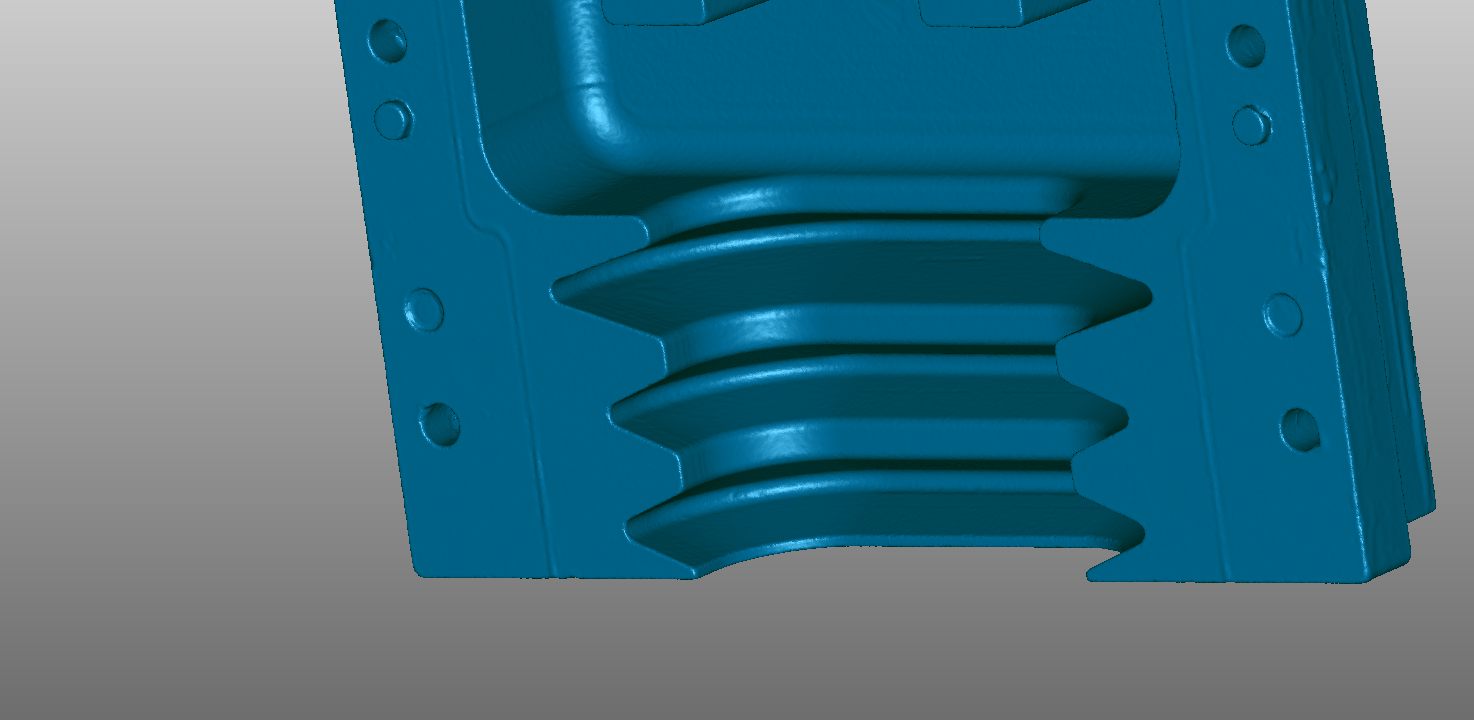
Detail shots
The high-quality point cloud data obtained is imported into professional reverse engineering software (such as Geomagic Design X) for denoising, alignment, and triangulation, ultimately resulting in the export of files in IGES or STEP formats that are directly compatible with CAD software. This process reduces the overall cycle time by more than 70%, significantly boosting the efficiency of the enterprise's product iteration and development.
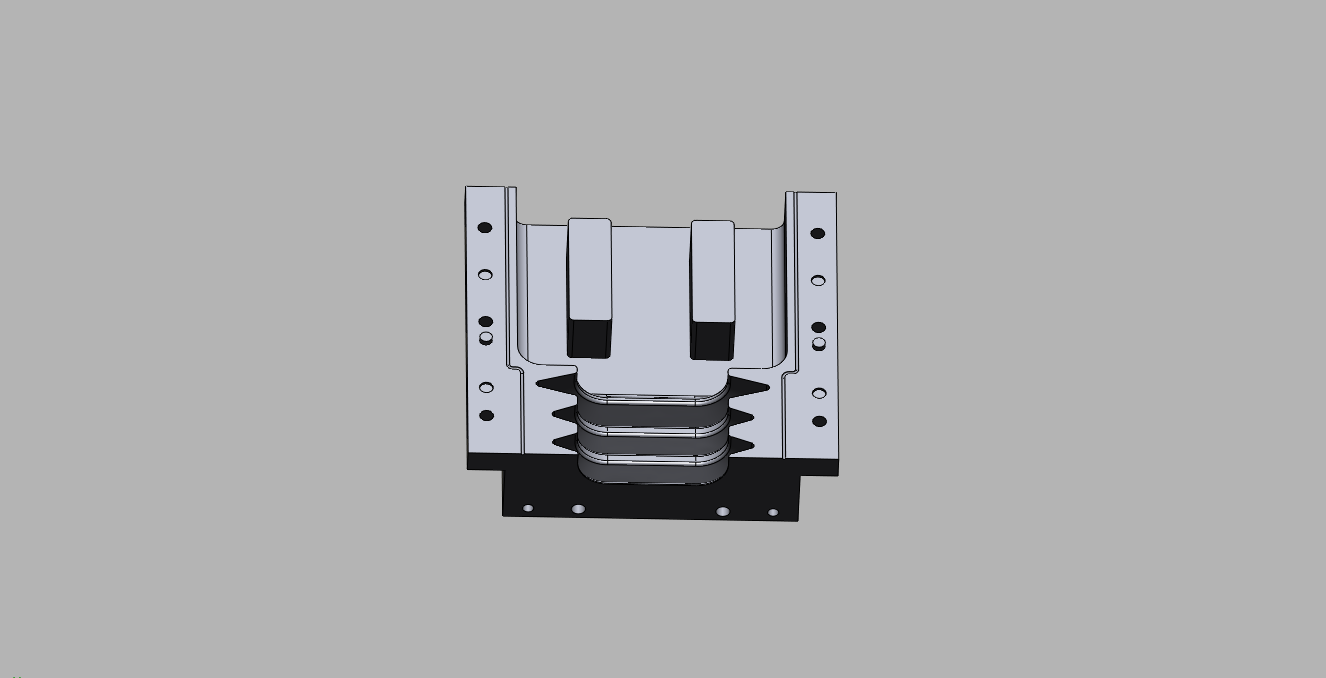
Reverse Modeling Figure (1)
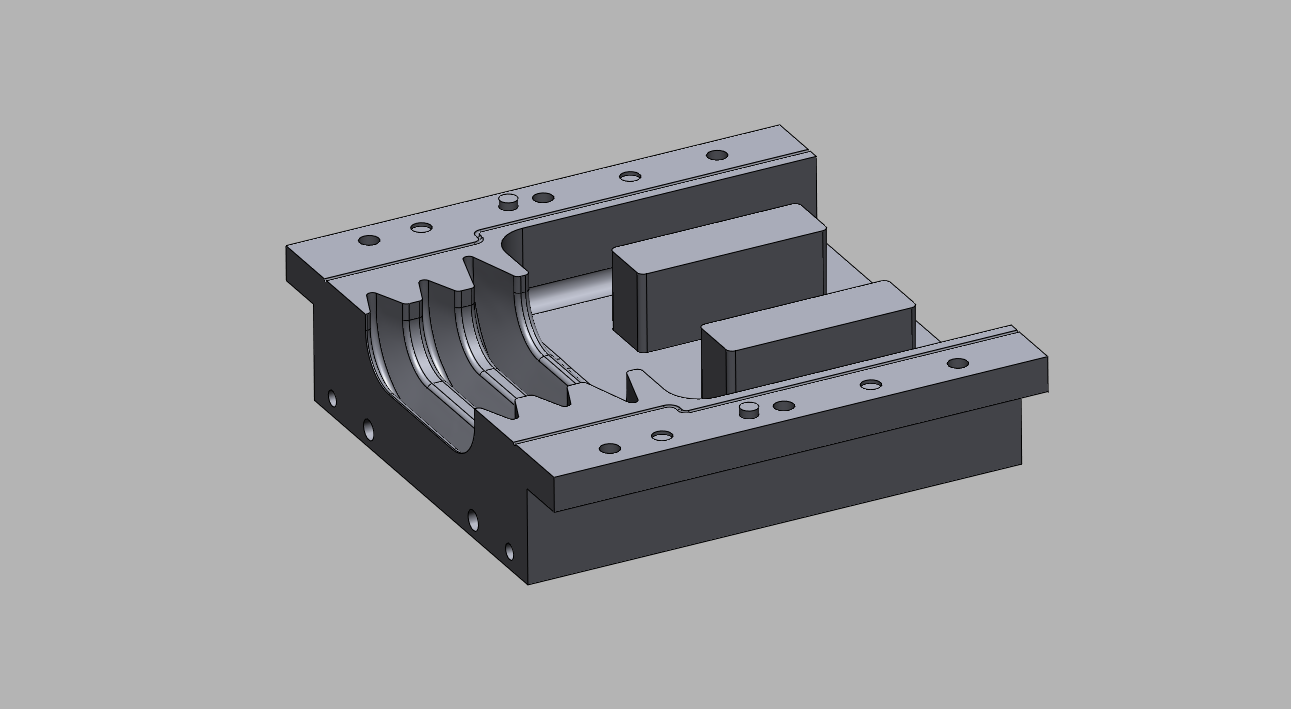
Reverse Modeling Figure (2)