








- A +
- A
- A -
The crankshaft is a critical component in equipment such as engines and compressors, converting reciprocating motion into rotary motion; the phase angles of its connecting rod journals, the coaxiality of its main journals, and the profiles of its crank webs directly determine the performance and service life of the entire machine. Challenges regarding missing blueprints often arise during spare parts manufacturing, localization (import substitution), or the upgrading of legacy models. By employing 3D scanning and reverse modeling, we achieve a precise 1:1 digital reconstruction of the component, providing comprehensive CAD data to support subsequent machining, maintenance, and batch reproduction.

Photograph of the actual crankshaft
Crankshafts have complex structures; manual measurement and mapping using calipers and micrometers is not only highly inefficient, but errors in critical dimensions can also directly lead to assembly failures, abnormal operating noises, or even equipment breakdown.

On-site scan image

Display of Physical Items and Scans
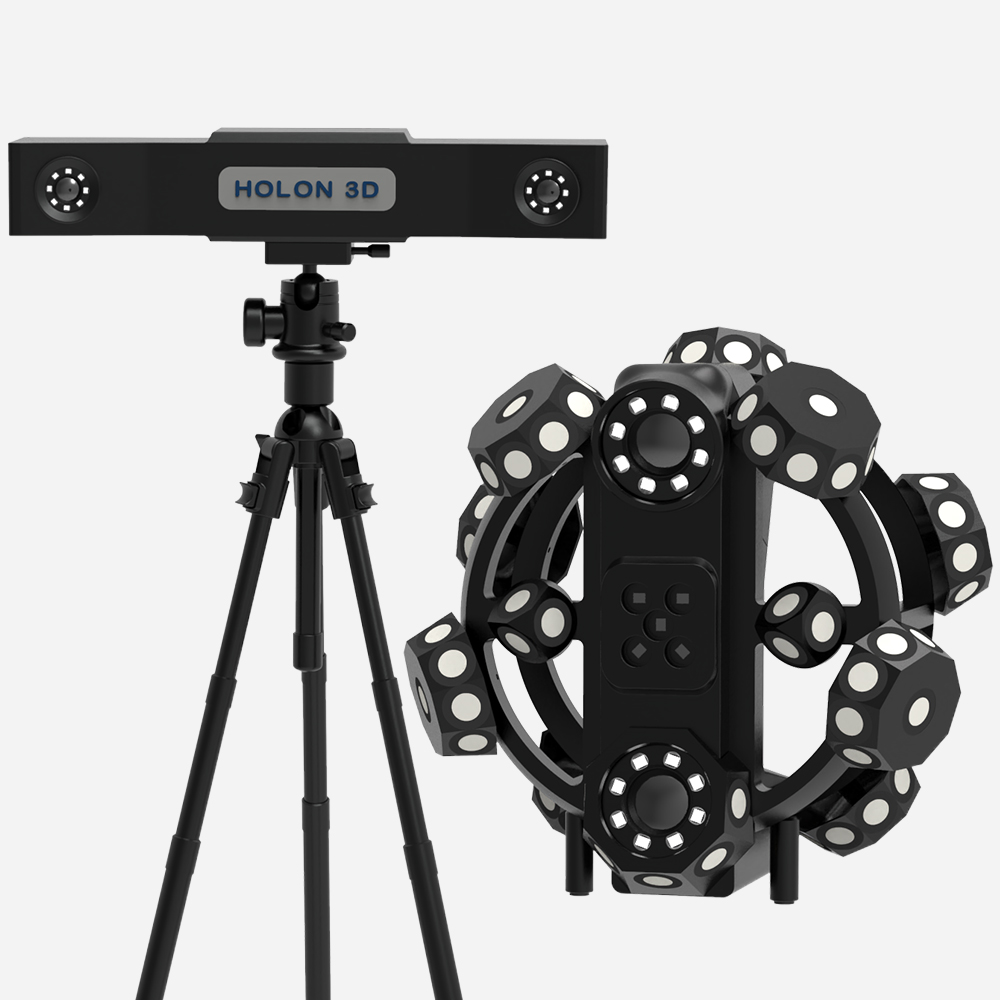
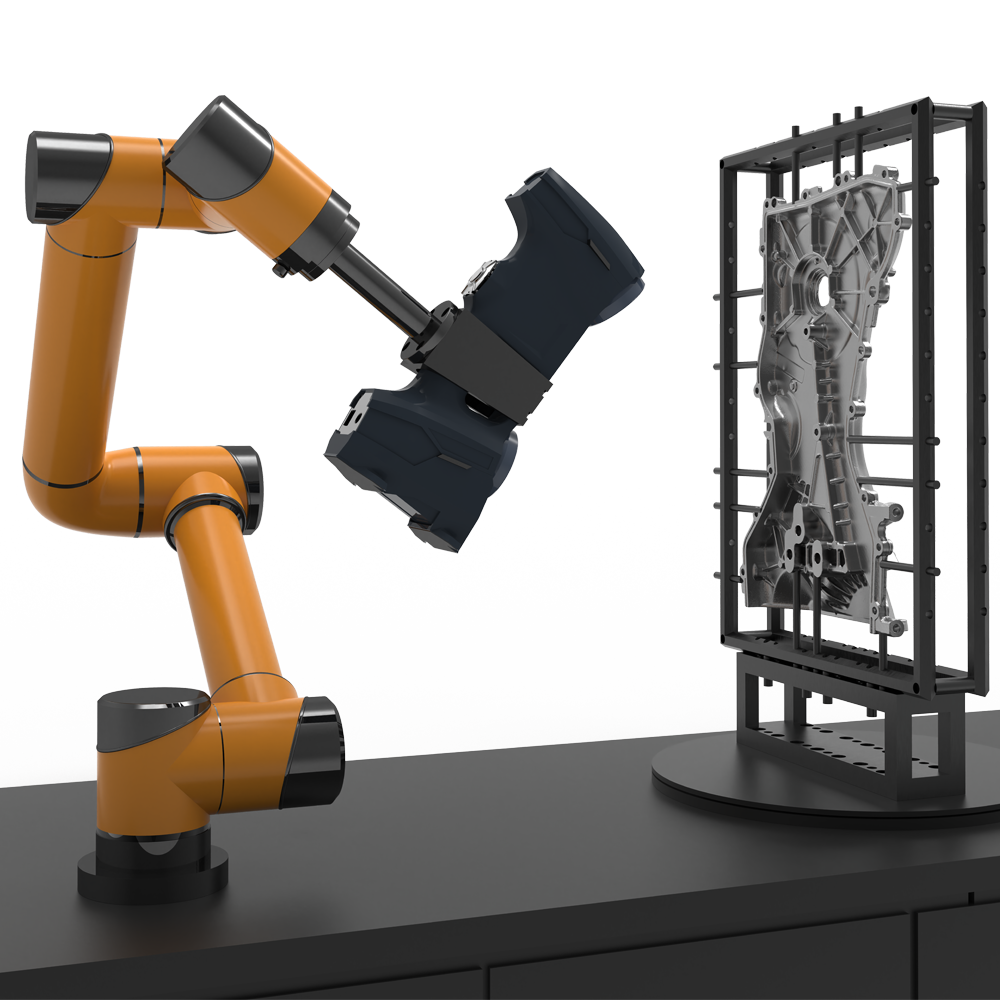
A HOLON3D handheld laser scanner is used to perform a comprehensive 360-degree scan of the part. By projecting multiple intersecting laser lines, the scanner captures a complete, dense point cloud comprising tens of millions of points—with an accuracy of up to 0.02 mm—faithfully recording every minute feature of the crankshaft. The high-precision point cloud data is imported into reverse engineering software for modeling; the structural components are reconstructed according to the crankshaft's original design intent, resulting in a complete, editable solid CAD model. The finished high-precision CAD model can be exported in standard formats such as STEP or IGES for seamless integration with CAM software (for CNC programming and fixture design) or CAE software (for strength and modal analysis). It can also be used directly for drawing archiving and technical communication, effectively resolving the challenges associated with manufacturing in the absence of original blueprints.

Reverse modeling STP file